
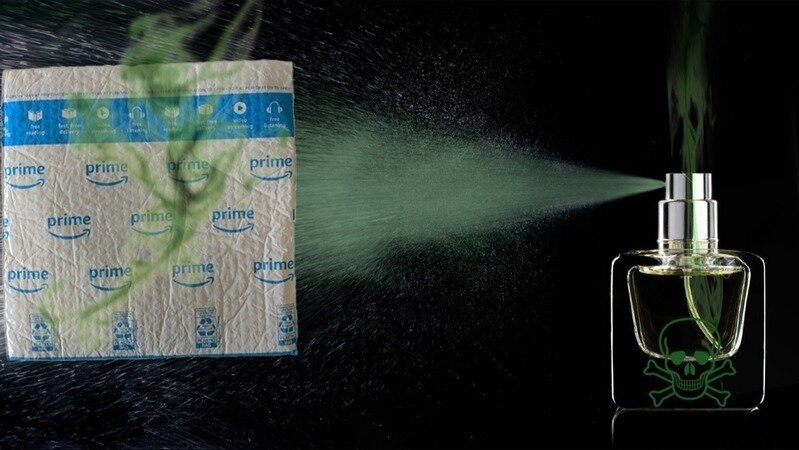
Urge Amazon to Cease Use of Fragrance-Infused Packaging and Using Scent Marketing Practice
Urge Amazon to Cease Use of Fragrance-Infused Packaging and Using Scent Marketing Practice
The Issue
Amazon's use of fragrance-infused packaging materials poses a health risk for the public and can cause symptoms ranging from headaches and dizziness to respiratory issues and even potential long-term harm and anaphylaxis. With smaller stores being unable to compete with Amazon's prices they have been put out of business leaving the public with few choices of retailers. As one of the world's largest online retailers, Amazon has a responsibility towards its customer's wellbeing. When packages and products are contained within an indoor space alongside strongly scented, toxic fragrances, it cross-contaminates the packages creating health conditions for many Americans by simply bringing inside their mail.
Fragrances often contain a variety of chemicals, some of which can be toxic and harmful to human health.
Here are a few examples:
Phthalates: These are commonly used as plasticizers in fragrance formulas to make the scent last longer. They are known endocrine disruptors and have been linked to reproductive and developmental toxicity, as well as other health issues.
Parabens: Used as preservatives in fragrances. Parabens can mimic estrogen in the body and have been associated with hormone disruption, reproductive toxicity, and potentially an increased risk of breast cancer.
Synthetic Musks: These are used to create a long-lasting scent, but they have been found to accumulate in the body and the environment. Some synthetic musks, like nitromusks and polycyclic musks, have been linked to hormone disruption and potential toxicity to aquatic life.
Volatile Organic Compounds (VOCs): These include chemicals like benzene derivatives, aldehydes, and other solvents used in fragrance formulations. They can contribute to indoor air pollution and have been linked to respiratory irritation, headaches, and other health problems, especially in individuals with sensitivities or allergies.
Allergens: Fragrances often contain numerous allergens, such as limonene, linalool, and geraniol, which can cause skin sensitization and allergic reactions in susceptible individuals. These allergens are required to be listed on cosmetic labels in many countries due to their potential to cause contact dermatitis and yet they may be placed on your mail packages for you to breath in.
Formaldehyde: Formaldehyde-releasing preservatives are still used in some fragrance formulations. Formaldehyde is a known human carcinogen and can also cause respiratory irritation and allergic skin reactions.
Acetone: Often found in fragrances as a solvent, acetone can irritate the skin, eyes, and respiratory tract. Prolonged exposure can lead to headaches, dizziness, and even central nervous system effects.
Individuals who have sensitivities or allergies to fragrances can experience a range of symptoms when exposed to toxic ingredients in fragrances. These reactions can vary in severity depending on the person and the specific chemicals involved and can and have resulted in disability and death.
Fragrance sensitivity is a disability for some people putting them at severe health risks by opening packages that have been contaminated by fragrances.
Here are some common effects:
Skin Irritation and Allergic Reactions: This includes redness, itching, swelling, rash and hives at the site of contact with fragrances containing allergens like limonene, linalool, and geraniol.
Respiratory Symptoms: Inhalation of volatile organic compounds (VOCs) in fragrances can lead to coughing, sneezing, wheezing, shortness of breath, and exacerbation of asthma or other respiratory conditions. anaphylaxis can happen in severe cases.
Headaches and Dizziness: Exposure to chemicals such as acetone and solvents in fragrances can cause headaches, dizziness, nausea, discomfort, vertigo, loss of balance.
Brain fog: Cognitive difficulties such as memory problems, difficulty concentrating, or confusion.
Sinus congestion: Nasal congestion, runny nose, sneezing, or sinus pain.
Fatigue: Persistent tiredness or exhaustion not relieved by rest.
Migraines: Fragrances can trigger migraines or worsen existing migraine symptoms due to their strong odor and impact on the nervous system.
Eye and Throat Irritation: VOCs and other chemicals in fragrances may irritate the eyes and throat, resulting in symptoms like redness, watering eyes, sore throat, and coughing.
Hypersensitivity Reactions: Severe cases of fragrance sensitivity can lead to systemic symptoms such as fatigue, malaise, and cognitive difficulties.
Digestive symptoms: Nausea, sick to stomach and feeling queasy.
Abdominal Pain: Cramping, discomfort and bloating.
Musculoskeletal Symptoms: Aching muscles, joint stiffness, or generalized pain.
Heart palpitations: Sensation of irregular or rapid heartbeat.
Diarrhea or constipation: Changes in bowel habits.
Sensitivity to Odors: Heightened sensitivity to various odors, including perfumes, cleaning products, gasoline, and other chemicals. Exposure to these odors can trigger or worsen symptoms.
Mood changes: Irritability, anxiety, or depression, which may be linked to the chronic nature of the condition and its impact on daily life.
The effects of these ingredients can vary depending on the individual's sensitivity, exposure levels, and the specific formulation of the fragrance. Regulatory bodies in various countries have set limits and guidelines for many of these chemicals in cosmetics and personal care products to minimize potential health risks to the public. When they are used on your mailing packages, they potentially expose you to harmful chemicals by simply bringing your packages inside your home affecting the health of yourself, your family and even your pets.
A growing number of our population is experiencing fragrance sensitivities every day. One group of people who experience serious health risks due to such exposures are those with the condition known as Multiple Chemical Sensitivity. Others are experiencing fragrance sensitivities after becoming I'll with SARS-CoV-2.
The symptoms experienced by individuals with Multiple Chemical Sensitivity can be disabling and significantly impact their quality of life. Managing MCS often involves avoiding triggers and minimizing exposure to chemicals.
I am a regular customer of Amazon, but I suffer from fragrance sensitivities. The strong, toxic fragrances used in their packaging materials make me quite ill. With Amazon being responsible for the closing of many other stores I am left with few alternatives of retailers to purchase from. This is not just my personal struggle; it's an issue that affects millions. According to the University of North Dakota School of Medicine and Health Sciences in 2022 10 Percent of the US people are allergic or sensitive to fragrances, many more world-wide. Some estimates are over 40 million Americans with fragrance sensitivities.
Even those who are not sensitive to fragrances are still at risk from breathing in the toxic chemicals that are used in fragrance products.
Simply stated, the act of bringing in your mail and packages should not make you ill or expose your family to unnecessary health risks.
Let's take steps today to make a positive impact on you and your family's health by signing and sharing this petition!
We urge Amazon to reconsider their packaging policies and switch to fragrance-free alternatives that won't harm those with sensitivities or allergies or even those without sensitivities who do not wish to be subject to toxins in fragrances. We also ask Amazon to adopt policies to not engage in Scent Marketing in their warehouses or stores and requiring drivers to not use air fresheners in their delivery automobiles. By making this change, Amazon would be taking a significant step towards inclusivity and customer care ensuring no one has to become ill from receiving their purchased goods any longer.
Please sign this petition if you believe in a healthier shopping experience for all customers on Amazon.

4,499
The Issue
Amazon's use of fragrance-infused packaging materials poses a health risk for the public and can cause symptoms ranging from headaches and dizziness to respiratory issues and even potential long-term harm and anaphylaxis. With smaller stores being unable to compete with Amazon's prices they have been put out of business leaving the public with few choices of retailers. As one of the world's largest online retailers, Amazon has a responsibility towards its customer's wellbeing. When packages and products are contained within an indoor space alongside strongly scented, toxic fragrances, it cross-contaminates the packages creating health conditions for many Americans by simply bringing inside their mail.
Fragrances often contain a variety of chemicals, some of which can be toxic and harmful to human health.
Here are a few examples:
Phthalates: These are commonly used as plasticizers in fragrance formulas to make the scent last longer. They are known endocrine disruptors and have been linked to reproductive and developmental toxicity, as well as other health issues.
Parabens: Used as preservatives in fragrances. Parabens can mimic estrogen in the body and have been associated with hormone disruption, reproductive toxicity, and potentially an increased risk of breast cancer.
Synthetic Musks: These are used to create a long-lasting scent, but they have been found to accumulate in the body and the environment. Some synthetic musks, like nitromusks and polycyclic musks, have been linked to hormone disruption and potential toxicity to aquatic life.
Volatile Organic Compounds (VOCs): These include chemicals like benzene derivatives, aldehydes, and other solvents used in fragrance formulations. They can contribute to indoor air pollution and have been linked to respiratory irritation, headaches, and other health problems, especially in individuals with sensitivities or allergies.
Allergens: Fragrances often contain numerous allergens, such as limonene, linalool, and geraniol, which can cause skin sensitization and allergic reactions in susceptible individuals. These allergens are required to be listed on cosmetic labels in many countries due to their potential to cause contact dermatitis and yet they may be placed on your mail packages for you to breath in.
Formaldehyde: Formaldehyde-releasing preservatives are still used in some fragrance formulations. Formaldehyde is a known human carcinogen and can also cause respiratory irritation and allergic skin reactions.
Acetone: Often found in fragrances as a solvent, acetone can irritate the skin, eyes, and respiratory tract. Prolonged exposure can lead to headaches, dizziness, and even central nervous system effects.
Individuals who have sensitivities or allergies to fragrances can experience a range of symptoms when exposed to toxic ingredients in fragrances. These reactions can vary in severity depending on the person and the specific chemicals involved and can and have resulted in disability and death.
Fragrance sensitivity is a disability for some people putting them at severe health risks by opening packages that have been contaminated by fragrances.
Here are some common effects:
Skin Irritation and Allergic Reactions: This includes redness, itching, swelling, rash and hives at the site of contact with fragrances containing allergens like limonene, linalool, and geraniol.
Respiratory Symptoms: Inhalation of volatile organic compounds (VOCs) in fragrances can lead to coughing, sneezing, wheezing, shortness of breath, and exacerbation of asthma or other respiratory conditions. anaphylaxis can happen in severe cases.
Headaches and Dizziness: Exposure to chemicals such as acetone and solvents in fragrances can cause headaches, dizziness, nausea, discomfort, vertigo, loss of balance.
Brain fog: Cognitive difficulties such as memory problems, difficulty concentrating, or confusion.
Sinus congestion: Nasal congestion, runny nose, sneezing, or sinus pain.
Fatigue: Persistent tiredness or exhaustion not relieved by rest.
Migraines: Fragrances can trigger migraines or worsen existing migraine symptoms due to their strong odor and impact on the nervous system.
Eye and Throat Irritation: VOCs and other chemicals in fragrances may irritate the eyes and throat, resulting in symptoms like redness, watering eyes, sore throat, and coughing.
Hypersensitivity Reactions: Severe cases of fragrance sensitivity can lead to systemic symptoms such as fatigue, malaise, and cognitive difficulties.
Digestive symptoms: Nausea, sick to stomach and feeling queasy.
Abdominal Pain: Cramping, discomfort and bloating.
Musculoskeletal Symptoms: Aching muscles, joint stiffness, or generalized pain.
Heart palpitations: Sensation of irregular or rapid heartbeat.
Diarrhea or constipation: Changes in bowel habits.
Sensitivity to Odors: Heightened sensitivity to various odors, including perfumes, cleaning products, gasoline, and other chemicals. Exposure to these odors can trigger or worsen symptoms.
Mood changes: Irritability, anxiety, or depression, which may be linked to the chronic nature of the condition and its impact on daily life.
The effects of these ingredients can vary depending on the individual's sensitivity, exposure levels, and the specific formulation of the fragrance. Regulatory bodies in various countries have set limits and guidelines for many of these chemicals in cosmetics and personal care products to minimize potential health risks to the public. When they are used on your mailing packages, they potentially expose you to harmful chemicals by simply bringing your packages inside your home affecting the health of yourself, your family and even your pets.
A growing number of our population is experiencing fragrance sensitivities every day. One group of people who experience serious health risks due to such exposures are those with the condition known as Multiple Chemical Sensitivity. Others are experiencing fragrance sensitivities after becoming I'll with SARS-CoV-2.
The symptoms experienced by individuals with Multiple Chemical Sensitivity can be disabling and significantly impact their quality of life. Managing MCS often involves avoiding triggers and minimizing exposure to chemicals.
I am a regular customer of Amazon, but I suffer from fragrance sensitivities. The strong, toxic fragrances used in their packaging materials make me quite ill. With Amazon being responsible for the closing of many other stores I am left with few alternatives of retailers to purchase from. This is not just my personal struggle; it's an issue that affects millions. According to the University of North Dakota School of Medicine and Health Sciences in 2022 10 Percent of the US people are allergic or sensitive to fragrances, many more world-wide. Some estimates are over 40 million Americans with fragrance sensitivities.
Even those who are not sensitive to fragrances are still at risk from breathing in the toxic chemicals that are used in fragrance products.
Simply stated, the act of bringing in your mail and packages should not make you ill or expose your family to unnecessary health risks.
Let's take steps today to make a positive impact on you and your family's health by signing and sharing this petition!
We urge Amazon to reconsider their packaging policies and switch to fragrance-free alternatives that won't harm those with sensitivities or allergies or even those without sensitivities who do not wish to be subject to toxins in fragrances. We also ask Amazon to adopt policies to not engage in Scent Marketing in their warehouses or stores and requiring drivers to not use air fresheners in their delivery automobiles. By making this change, Amazon would be taking a significant step towards inclusivity and customer care ensuring no one has to become ill from receiving their purchased goods any longer.
Please sign this petition if you believe in a healthier shopping experience for all customers on Amazon.
4,499
Supporter Voices
Petition Updates
Share this petition
Petition created on February 25, 2024