竹原市長・環境省へ: 大久野島の傷病ウサギに訪問税による保護制度を求めます (医療、不妊化)
署名活動の主旨
広島県竹原市の大久野島は瀬戸内海国立公園の一部で、「うさぎの島」として国内外から年間何十万人もの観光客が訪れます。環境省の調査では来島者の約9割がウサギとの触れ合いや餌やりを目的としており、ウサギは島の観光の中心です。
しかし、この島のウサギの多くが本来の寿命まで生きることなく、怪我や病気で苦しみながら短い一生を終えています。
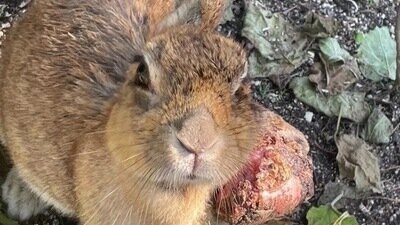
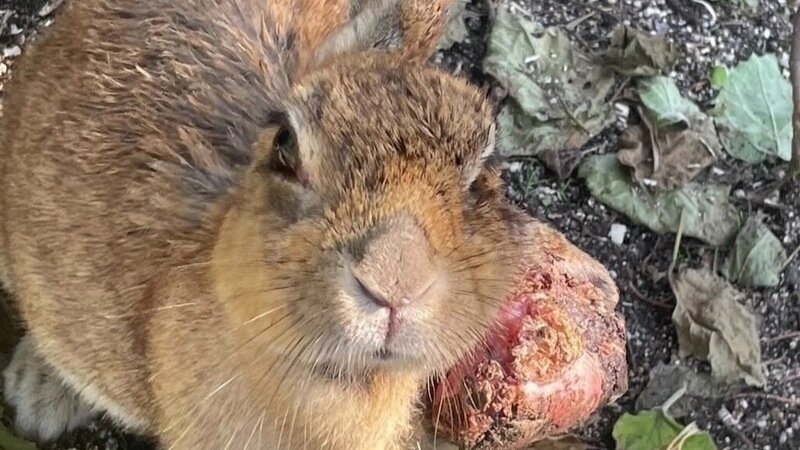
私達は、ウサギ同士の喧嘩による傷が悪化して巨大な膿瘍になったウサギ、傷口からウジ虫がわいたウサギ、骨折などで脚を使えなくなったウサギ、消化管のうっ滞で動けなくなったウサギなど、治療の必要なウサギを沢山目にしてきました。
けれども治療の必要なウサギの多くが治療を受けられることなく、苦しみながら死んでいるのです。
■ 島のウサギは「愛護動物」です
2024年に起きた虐待事件に対する2025年4月の判決を受け、環境省は、人が餌と水を与えている島のウサギを『愛護動物』と位置づけています。人が餌と水を与えて生かし、観光資源として利用している以上、ウサギの健康と命に人間側が責任を負うのは当然です。
■ 傷病ウサギは「数えられている」が「治療されていない」
環境省と竹原市は「大久野島未来づくり実行委員会」を通じて、ルールの周知や、個体数・傷病個体数の調査に取り組んでいます。
しかし、調査で傷病ウサギが確認されても、治療につなげる公的な仕組みはありません。傷病を負ったウサギは、医療も基本的なケアも受けられないまま、苦しみながら死んでいきます。愛護動物が傷病を負ったまま放置されている状態は、アニマルウェルフェアにも反し、改善されるべきです。
■ 繁殖抑制は、ウサギと国立公園の双方のために
島のウサギは繁殖力が高く、餌の量に応じて数が増減します。数が増えて過密になれば、病気や喧嘩が増えます。一方で環境省は、カイウサギを重点対策外来種として、生態系への影響を懸念しています。
不妊去勢手術による繁殖抑制は、駆除に頼らず、生まれてすぐ苦しんで死ぬ命を減らす方法であり、人道的に個体数を適正に保つ方法です。愛護動物としての命を守ることと、国立公園の自然を守ることは両立します。
■ 私達の要望
竹原市へ
・再検討中の大久野島訪問税などについて、使途に「傷病ウサギの治療」と「不妊去勢手術」の費用を明記してください。同じ県内には宮島訪問税という前例があります。
環境省 中国四国環境局へ
・大久野島ウサギリスク管理マニュアルに、傷病個体を獣医師の治療につなぐ手順を加えてください。
・不妊去勢手術による繁殖抑制を、まず小規模なパイロット事業として試行してください。
島のウサギたちは、人が持ち込み、人が餌を与え、人が観光に利用してきた愛護動物です。その命の終わりが放置であってはなりません。大久野島が、ウサギにとっても人にとっても誇れる島であり続けるために、ご署名をお願いいたします。
集まった署名は、要望書に添えて竹原市と環境省に提出します。
【根拠資料】
・来島者の目的:平嶋力「広島県大久野島におけるヨーロッパアナウサギの巣穴に関する研究」北海道大学大学院環境科学院 修士論文要旨(令和4年度)。環境省(2020)を引用。
・愛護動物の判断、傷病個体調査、検査体制の課題、訪問税の再検討:環境省 中国四国地方環境事務所「令和7年度 大久野島未来づくり実行委員会」配付資料(大久野島ウサギリスク管理マニュアル(案)を含む、令和8年3月)。
・重点対策外来種:環境省「生態系被害防止外来種リスト」(2015年)。
To the Mayor of Takehara City and the Ministry of the Environment: Use the Visitor Tax to Protect Sick and Injured Rabbits on Okunoshima (Veterinary Care & Spay/Neuter)
Okunoshima, in Takehara, Hiroshima, is part of Setonaikai National Park. Hundreds of thousands of visitors come to "Rabbit Island" every year. Ministry of the Environment data show that about 90% come to meet and feed the rabbits.
Yet many of these rabbits die young, after suffering from injuries and illness. We have seen rabbits with huge abscesses from fight wounds, wounds full of maggots, broken legs, and gut stasis. Most of them never get treatment.
After an April 2025 court ruling on a 2024 abuse case, the Ministry treats the island's rabbits as "protected animals." People feed them and use them to attract tourists, so people are responsible for their health.
The city and the Ministry already count sick and injured rabbits. But no public system exists to get them to a vet. Overcrowding also leads to more disease and fighting. The Ministry lists domestic rabbits as a priority invasive species. Spaying and neutering would keep their numbers down humanely, without culling, and protect both the rabbits and the national park.
Our Requests
To Takehara City:
In the Okunoshima visitor tax now under review, state clearly that the money will pay for treating sick and injured rabbits and for spay/neuter surgery. The Miyajima visitor tax, in the same prefecture, is a precedent.
To the Chugoku-Shikoku Regional Environment Office:
Add steps to the Okunoshima Rabbit Risk Management Manual for getting sick and injured rabbits to a veterinarian.
Start a small pilot spay/neuter program.
People brought these rabbits to the island, feed them, and use them for tourism. Their lives should not end in neglect. Please sign so that Okunoshima stays an island that rabbits and people alike can be proud of. We will submit the signatures to Takehara City and the Ministry along with our formal request.
1,966
署名活動の主旨
広島県竹原市の大久野島は瀬戸内海国立公園の一部で、「うさぎの島」として国内外から年間何十万人もの観光客が訪れます。環境省の調査では来島者の約9割がウサギとの触れ合いや餌やりを目的としており、ウサギは島の観光の中心です。
しかし、この島のウサギの多くが本来の寿命まで生きることなく、怪我や病気で苦しみながら短い一生を終えています。
私達は、ウサギ同士の喧嘩による傷が悪化して巨大な膿瘍になったウサギ、傷口からウジ虫がわいたウサギ、骨折などで脚を使えなくなったウサギ、消化管のうっ滞で動けなくなったウサギなど、治療の必要なウサギを沢山目にしてきました。
けれども治療の必要なウサギの多くが治療を受けられることなく、苦しみながら死んでいるのです。
■ 島のウサギは「愛護動物」です
2024年に起きた虐待事件に対する2025年4月の判決を受け、環境省は、人が餌と水を与えている島のウサギを『愛護動物』と位置づけています。人が餌と水を与えて生かし、観光資源として利用している以上、ウサギの健康と命に人間側が責任を負うのは当然です。
■ 傷病ウサギは「数えられている」が「治療されていない」
環境省と竹原市は「大久野島未来づくり実行委員会」を通じて、ルールの周知や、個体数・傷病個体数の調査に取り組んでいます。
しかし、調査で傷病ウサギが確認されても、治療につなげる公的な仕組みはありません。傷病を負ったウサギは、医療も基本的なケアも受けられないまま、苦しみながら死んでいきます。愛護動物が傷病を負ったまま放置されている状態は、アニマルウェルフェアにも反し、改善されるべきです。
■ 繁殖抑制は、ウサギと国立公園の双方のために
島のウサギは繁殖力が高く、餌の量に応じて数が増減します。数が増えて過密になれば、病気や喧嘩が増えます。一方で環境省は、カイウサギを重点対策外来種として、生態系への影響を懸念しています。
不妊去勢手術による繁殖抑制は、駆除に頼らず、生まれてすぐ苦しんで死ぬ命を減らす方法であり、人道的に個体数を適正に保つ方法です。愛護動物としての命を守ることと、国立公園の自然を守ることは両立します。
■ 私達の要望
竹原市へ
・再検討中の大久野島訪問税などについて、使途に「傷病ウサギの治療」と「不妊去勢手術」の費用を明記してください。同じ県内には宮島訪問税という前例があります。
環境省 中国四国環境局へ
・大久野島ウサギリスク管理マニュアルに、傷病個体を獣医師の治療につなぐ手順を加えてください。
・不妊去勢手術による繁殖抑制を、まず小規模なパイロット事業として試行してください。
島のウサギたちは、人が持ち込み、人が餌を与え、人が観光に利用してきた愛護動物です。その命の終わりが放置であってはなりません。大久野島が、ウサギにとっても人にとっても誇れる島であり続けるために、ご署名をお願いいたします。
集まった署名は、要望書に添えて竹原市と環境省に提出します。
【根拠資料】
・来島者の目的:平嶋力「広島県大久野島におけるヨーロッパアナウサギの巣穴に関する研究」北海道大学大学院環境科学院 修士論文要旨(令和4年度)。環境省(2020)を引用。
・愛護動物の判断、傷病個体調査、検査体制の課題、訪問税の再検討:環境省 中国四国地方環境事務所「令和7年度 大久野島未来づくり実行委員会」配付資料(大久野島ウサギリスク管理マニュアル(案)を含む、令和8年3月)。
・重点対策外来種:環境省「生態系被害防止外来種リスト」(2015年)。
To the Mayor of Takehara City and the Ministry of the Environment: Use the Visitor Tax to Protect Sick and Injured Rabbits on Okunoshima (Veterinary Care & Spay/Neuter)
Okunoshima, in Takehara, Hiroshima, is part of Setonaikai National Park. Hundreds of thousands of visitors come to "Rabbit Island" every year. Ministry of the Environment data show that about 90% come to meet and feed the rabbits.
Yet many of these rabbits die young, after suffering from injuries and illness. We have seen rabbits with huge abscesses from fight wounds, wounds full of maggots, broken legs, and gut stasis. Most of them never get treatment.
After an April 2025 court ruling on a 2024 abuse case, the Ministry treats the island's rabbits as "protected animals." People feed them and use them to attract tourists, so people are responsible for their health.
The city and the Ministry already count sick and injured rabbits. But no public system exists to get them to a vet. Overcrowding also leads to more disease and fighting. The Ministry lists domestic rabbits as a priority invasive species. Spaying and neutering would keep their numbers down humanely, without culling, and protect both the rabbits and the national park.
Our Requests
To Takehara City:
In the Okunoshima visitor tax now under review, state clearly that the money will pay for treating sick and injured rabbits and for spay/neuter surgery. The Miyajima visitor tax, in the same prefecture, is a precedent.
To the Chugoku-Shikoku Regional Environment Office:
Add steps to the Okunoshima Rabbit Risk Management Manual for getting sick and injured rabbits to a veterinarian.
Start a small pilot spay/neuter program.
People brought these rabbits to the island, feed them, and use them for tourism. Their lives should not end in neglect. Please sign so that Okunoshima stays an island that rabbits and people alike can be proud of. We will submit the signatures to Takehara City and the Ministry along with our formal request.
意思決定者

賛同者からのコメント
オンライン署名の最新情報
このオンライン署名をシェアする
2026年10月7日に作成されたオンライン署名