

Violence Against Women: Break the Silence, Stop The Violence
The Issue
Everyday, countless Filipino women face the threat of abuse, sexual harassment, domestic violence, and femicide. Despite legal frameworks to protect women, such as “Anti-Violence Against Women and Their Children Act of 2004” (RA 9262), most of the women remain vulnerable, with numerous cases going unnoticed, unresolved, or unreported.
One such case is that of Ana Jalandoni, a Filipina actress, who was reportedly a victim of domestic violence by her then boyfriend, Kit Thompson, in March 2022. She sustained serious injuries, including facial swelling and bruises, and was only rescued after she sent out a distress call. Her case brought attention to everyone for the need for stronger protection for women. While Jalandoni survived the ordeal, her story reflects how harsh is the reality of most women across the country.
It is time to stand up and break the cycle of violence. We must have a society where all women can live from violence.
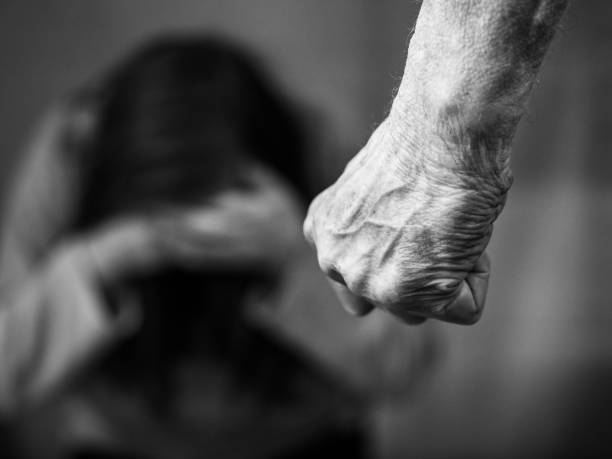
We call on different organizations, such as educational institutions, colleges, and various communities, to take a proactive stance in addressing violence against women by offering safe spaces and providing critical resources and support for prevention and awareness programs. By becoming hubs for education, intervention, and outreach, these organizations can strengthen efforts to protect women, raise awareness, and foster a culture of respect and equality. Just as the movement for women’s rights and safety has made significant strides over the years, this petition aims to further those efforts, ensuring that every community becomes a safer place for women and girls.
This petition will benefit the following:
-
Survivors of Violence - Survivors of violence against women would find strength through support systems, such as counselling, legal aid, and community programs that will help them rebuild their lives. By these means, it will not only provide safety for them, but it will also heal them allowing survivors to reclaim their voices and independence. Emotional and psychological recovery is made possible by safe spaces that validate their experiences and encourage resilience. These benefits would restore their dignity, offering survivors a path toward self-determination and hope for a better future.
-
Women at Risk - Women in the corporate industry will have a better work environment through this advocacy. Where their rights and their freedom will be secured, protected, and respected, allowing for a safer workplace, and equal opportunities for the growth of their careers without being held back by gender-based bias or violence.
- Future Generation - By advocating to end violence against women, we can create a safer environment for future generations, where women can live free from abuse and discrimination. This will lead to secure communities, fostering a sense of safety and respect for everyone. We can also raise future generations who are aware of their rights and empowered to speak out against injustice.
-
Family of Victims - Families of victims of violence against women really feel the impact of advocacy efforts. These programs offer support and resources that help them heal while also raising awareness and breaking the stigma around domestic violence. When families know they’re not alone, it can help them rebuild their lives and strengthen their connections. Advocacy encourages them to speak out against violence, creating a positive change that can benefit future generations.
This petition strives to create a safer and more equitable environment for all women by addressing the pervasive issue of violence against women. By identifying and dismantling the barriers that prevent women from living free from violence, we aim to empower individuals to reclaim their rights and participate fully in society. The following plans outline the proactive measures:
- Public Awareness - According to R. Jewkes et al., awareness raising activities play a significant role in preventing violence against women and girls (VAWG), but evidence suggests that they are not sufficient on their own to reduce violence. There is often a disconnect between the goals of these activities and their actual impact. For example, promoting a new VAWG law with the aim of reducing male violence is unlikely to succeed through awareness alone. It is crucial to clarify what such activities can realistically achieve and how to address their limitations. This understanding can guide better decision-making, align interventions with clear goals, and identify best practices for more effective efforts.
-
Policy Reforms - RA 9262, or the Anti-Violence Against Women and Their Children Act of 2004, addresses violence committed by intimate partners, such as husbands, live-in partners, or dating partners, against women and their children. It defines Violence Against Women and Children (VAWC) as any physical, sexual, psychological, or economic abuse that causes harm or suffering. Physical violence includes bodily harm or threats; sexual violence includes rape, harassment, and demeaning sexual acts; psychological violence involves emotional abuse, threats, and controlling behavior; and economic abuse includes controlling a woman's finances or preventing her from engaging in legitimate work. The law aims to protect women and their children from such harmful actions, ensuring their rights and safety.
-
Prevention programs - These documents focus on global efforts to prevent and respond to violence against women (VAW), particularly in middle and low-income countries. The United Nations' publication highlights key issues, promising practices, and provides recommendations in seven strategic areas for addressing VAW through law, service provision, and prevention. Another review by Sarah Bott, Andrew Morrison, and Mary Ellsberg explores initiatives targeting physical intimate partner violence and sexual violence, emphasizing justice, health, education, and multi-sectoral approaches. Lastly, the Gender and Development Group stresses the importance of coordinated efforts across sectors, civil society, and government, featuring examples of national commissions and community-based networks that enhance inter-sectoral collaboration to combat VAW.
771
The Issue
Everyday, countless Filipino women face the threat of abuse, sexual harassment, domestic violence, and femicide. Despite legal frameworks to protect women, such as “Anti-Violence Against Women and Their Children Act of 2004” (RA 9262), most of the women remain vulnerable, with numerous cases going unnoticed, unresolved, or unreported.
One such case is that of Ana Jalandoni, a Filipina actress, who was reportedly a victim of domestic violence by her then boyfriend, Kit Thompson, in March 2022. She sustained serious injuries, including facial swelling and bruises, and was only rescued after she sent out a distress call. Her case brought attention to everyone for the need for stronger protection for women. While Jalandoni survived the ordeal, her story reflects how harsh is the reality of most women across the country.
It is time to stand up and break the cycle of violence. We must have a society where all women can live from violence.
We call on different organizations, such as educational institutions, colleges, and various communities, to take a proactive stance in addressing violence against women by offering safe spaces and providing critical resources and support for prevention and awareness programs. By becoming hubs for education, intervention, and outreach, these organizations can strengthen efforts to protect women, raise awareness, and foster a culture of respect and equality. Just as the movement for women’s rights and safety has made significant strides over the years, this petition aims to further those efforts, ensuring that every community becomes a safer place for women and girls.
This petition will benefit the following:
-
Survivors of Violence - Survivors of violence against women would find strength through support systems, such as counselling, legal aid, and community programs that will help them rebuild their lives. By these means, it will not only provide safety for them, but it will also heal them allowing survivors to reclaim their voices and independence. Emotional and psychological recovery is made possible by safe spaces that validate their experiences and encourage resilience. These benefits would restore their dignity, offering survivors a path toward self-determination and hope for a better future.
-
Women at Risk - Women in the corporate industry will have a better work environment through this advocacy. Where their rights and their freedom will be secured, protected, and respected, allowing for a safer workplace, and equal opportunities for the growth of their careers without being held back by gender-based bias or violence.
- Future Generation - By advocating to end violence against women, we can create a safer environment for future generations, where women can live free from abuse and discrimination. This will lead to secure communities, fostering a sense of safety and respect for everyone. We can also raise future generations who are aware of their rights and empowered to speak out against injustice.
-
Family of Victims - Families of victims of violence against women really feel the impact of advocacy efforts. These programs offer support and resources that help them heal while also raising awareness and breaking the stigma around domestic violence. When families know they’re not alone, it can help them rebuild their lives and strengthen their connections. Advocacy encourages them to speak out against violence, creating a positive change that can benefit future generations.
This petition strives to create a safer and more equitable environment for all women by addressing the pervasive issue of violence against women. By identifying and dismantling the barriers that prevent women from living free from violence, we aim to empower individuals to reclaim their rights and participate fully in society. The following plans outline the proactive measures:
- Public Awareness - According to R. Jewkes et al., awareness raising activities play a significant role in preventing violence against women and girls (VAWG), but evidence suggests that they are not sufficient on their own to reduce violence. There is often a disconnect between the goals of these activities and their actual impact. For example, promoting a new VAWG law with the aim of reducing male violence is unlikely to succeed through awareness alone. It is crucial to clarify what such activities can realistically achieve and how to address their limitations. This understanding can guide better decision-making, align interventions with clear goals, and identify best practices for more effective efforts.
-
Policy Reforms - RA 9262, or the Anti-Violence Against Women and Their Children Act of 2004, addresses violence committed by intimate partners, such as husbands, live-in partners, or dating partners, against women and their children. It defines Violence Against Women and Children (VAWC) as any physical, sexual, psychological, or economic abuse that causes harm or suffering. Physical violence includes bodily harm or threats; sexual violence includes rape, harassment, and demeaning sexual acts; psychological violence involves emotional abuse, threats, and controlling behavior; and economic abuse includes controlling a woman's finances or preventing her from engaging in legitimate work. The law aims to protect women and their children from such harmful actions, ensuring their rights and safety.
-
Prevention programs - These documents focus on global efforts to prevent and respond to violence against women (VAW), particularly in middle and low-income countries. The United Nations' publication highlights key issues, promising practices, and provides recommendations in seven strategic areas for addressing VAW through law, service provision, and prevention. Another review by Sarah Bott, Andrew Morrison, and Mary Ellsberg explores initiatives targeting physical intimate partner violence and sexual violence, emphasizing justice, health, education, and multi-sectoral approaches. Lastly, the Gender and Development Group stresses the importance of coordinated efforts across sectors, civil society, and government, featuring examples of national commissions and community-based networks that enhance inter-sectoral collaboration to combat VAW.
Petition Updates
Share this petition
Petition created on October 15, 2024