
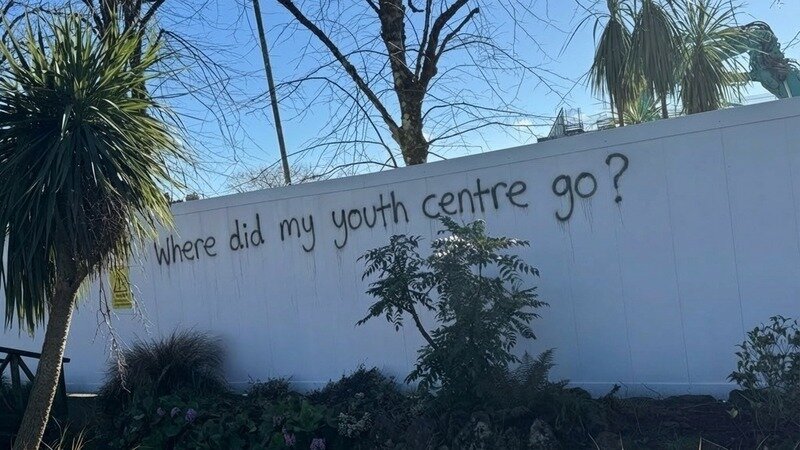
Support the revival of youth work
The Issue
Youth work is not a transactional service. It is an essential public service, built on
consistency, trust and opportunity for all young people to access as they choose.
Youth work is a long-term, relationship-based professional practice grounded in trusted
adults working consistently alongside young people. It provides safe spaces, continuity
and developmental relationships that educate, empower and challenge. At its best, it
helps young people feel seen, supported and connected, giving them the hope, confidence
and agency to navigate complexity and shape their own futures as they transition into
adulthood.
However, over the past decade, we have seen a significant reduction in the availability
and consistency of safe spaces and long term services for young people. Youth clubs have
closed, youth worker roles have been reduced or reshaped beyond recognition, and the
consistency of provision has been dependent on local financial pressures and your postcode.
Alongside this, wider opportunities that support young people’s development and belonging,
including sport, music, the arts, volunteering and youth social action, have also become less
accessible in many communities. The combined effect is a reduction in the everyday
structures through which young people build connection, confidence and participation. The
result is a generation with fewer accessible, trusted, developmental spaces than those before
them. We have an uneven landscape of opportunity. At the same time, digital spaces have
become a dominant environment for connection, learning and identity formation, shaping
how many young people experience relationships and belonging. This brings both
opportunity and risk that government policy is now seeking to respond to.
Yet, this matters now more than ever as the Government is taking significant steps to
reduce young people’s exposure to online harms through a social media ban. This a serious
and legitimate debate. But we must acknowledge these harms are not only online and young
people will still continue to face real harm and real risks - whether online through the
backdoor or offline. Regardless of where your views sit on those measures, they represent a
clear shift in how young people’s access to connection and support is being shaped. This
raises a fundamental question:
If we take young people offline, what are we asking them to return to when we've
already taken so many of the real-world spaces, relationships, and opportunities that
once gave them readily available support, belonging, opportunity and purpose?
At present, there is no consistent national guarantee that every young person can
access trusted relationships, safe spaces and developmental opportunities, regardless
of where they live. The years of austerity and the rise of the digital age reshaped
childhood in parallel. As youth services and community spaces disappeared, digital
platforms became the easiest place to connect - not because they were a better option - but
because, for many young people, there was increasingly little else. The challenge is not to
choose between online and offline worlds, but to rebuild the trusted relationships and
local infrastructure that enable young people to thrive in both.
Evidence across sectors paints a clear picture: rising mental health needs, declining youth
service provision, and growing loneliness and disconnection among young people. These
five statistics stand out to me:
1.Around 1 in 5 children and young people (20%) have a probable mental health
condition (NHS England, 2023).
2.Local authority spending on youth services has fallen by over £1 billion since 2010
(YMCA England & Wales, 2025)
3.Over 750 youth centres have closed in England since 2010 (Local Government
Association, 2021)
4.Nearly half of young people spend the majority of their spare time in their bedroom
(DCMS, 2025)
5.Around 1-in-5 young people (13 to 17) in England and Wales do not have a trusted
adult outside of their family (DCMS, 2025)
The National Youth Strategy, the proposed Youth Services Bill, the debate on children's use
of social media and wider local government reform create a rare opportunity to reimagine
support for young people. But without a universal entitlement to youth work, access to
trusted adults, safe spaces and developmental opportunities will continue to depend on
where a young person lives. The time has come for a new national settlement for youth
work - not as an exercise in nostalgia, but as a strategic investment in the preventative
infrastructure every young person needs to thrive.
Youth work is a distinct professional practice built on voluntary engagement, trusted
relationships and sustained presence in young people's lives. It develops confidence,
resilience, skills and agency through relationships that prevent problems before they reach
crisis point. Its value lies not simply in responding to risk, but in creating the
conditions in which young people can thrive. That is why youth work must remain
relational rather than transactional, working with young people, not on them.
1.Around 1 in 5 children and young people (20%) have a probable mental health
condition (NHS England, 2023).
2.Local authority spending on youth services has fallen by over £1 billion since 2010
(YMCA England & Wales, 2025)
3.Over 750 youth centres have closed in England since 2010 (Local Government
Association, 2021)
4.Nearly half of young people spend the majority of their spare time in their bedroom
(DCMS, 2025)
5.Around 1-in-5 young people (13 to 17) in England and Wales do not have a trusted
adult outside of their family (DCMS, 2025)
I am calling on everyone - across politics, public services, charities and communities- to
come behind three reforms.
1.Create a national entitlement to youth work
Strengthen Section 507B of the Education Act 1996, building on the Youth Services Bill
currently before Parliament, to guarantee consistent access to youth work for all young
people, regardless of postcode or local funding pressures.
2.Recognise youth work as essential national statutory service
Formally recognise youth work alongside education, health and social care as core
preventative infrastructure. This should reflect its role in improving outcomes across
wellbeing, education engagement, safety and community cohesion, and ensure it is
supported through stable, long-term investment as a relationship-based professional practice.
3.Establish a National Commission on Youth Work
To build on the momentum of the National Youth Strategy and deliver the first long-term
settlement for youth work since the Albemarle Report - attract broad political support for
entitlement, workforce, funding and accountability, and embedding youth work as a
permanent part of England's social infrastructure.
The opportunity now is not only to reduce harms online, but to invest with equal
ambition and fair funding model across England in the trusted relationships, places
and opportunities that help young people thrive offline. Youth work is not optional. It
must be a part of the national infrastructure every young person needs to thrive.
I write to you first as someone shaped by youth work as a young person, who as an adult
became a professional youth worker, who now I am committed to protecting, strengthening
and championing it. Like many others, my perspective combines my lived experience with
my professional practice and reflects a generation that has experienced both the
transformative value of youth work and its decline across many communities.
Whether or not we agree on every aspect of youth work’s power; the evidence points in the
same direction: trusted relationships, consistent support and long-term investment improve
outcomes for young people. The challenge now is to translate that evidence into
national policy, sustainable investment and legislation. If we are serious about
improving outcomes for young people, the question is no longer whether youth work
matters, but whether we are prepared to secure it as essential national statutory service.
This is an opportunity to bring together the expertise, leadership, and collective ambition
of everyone to shape and deliver a truly progressive strategy.
We must recognize youth work as a public good and a necessary investment for shaping a bright, cohesive future for our society. Let's work together to restore and enhance these pillars of support for our young people. Sign this petition to urge decision-makers to prioritize and finance youth work services, for the sake of the current and future generations.

3
The Issue
Youth work is not a transactional service. It is an essential public service, built on
consistency, trust and opportunity for all young people to access as they choose.
Youth work is a long-term, relationship-based professional practice grounded in trusted
adults working consistently alongside young people. It provides safe spaces, continuity
and developmental relationships that educate, empower and challenge. At its best, it
helps young people feel seen, supported and connected, giving them the hope, confidence
and agency to navigate complexity and shape their own futures as they transition into
adulthood.
However, over the past decade, we have seen a significant reduction in the availability
and consistency of safe spaces and long term services for young people. Youth clubs have
closed, youth worker roles have been reduced or reshaped beyond recognition, and the
consistency of provision has been dependent on local financial pressures and your postcode.
Alongside this, wider opportunities that support young people’s development and belonging,
including sport, music, the arts, volunteering and youth social action, have also become less
accessible in many communities. The combined effect is a reduction in the everyday
structures through which young people build connection, confidence and participation. The
result is a generation with fewer accessible, trusted, developmental spaces than those before
them. We have an uneven landscape of opportunity. At the same time, digital spaces have
become a dominant environment for connection, learning and identity formation, shaping
how many young people experience relationships and belonging. This brings both
opportunity and risk that government policy is now seeking to respond to.
Yet, this matters now more than ever as the Government is taking significant steps to
reduce young people’s exposure to online harms through a social media ban. This a serious
and legitimate debate. But we must acknowledge these harms are not only online and young
people will still continue to face real harm and real risks - whether online through the
backdoor or offline. Regardless of where your views sit on those measures, they represent a
clear shift in how young people’s access to connection and support is being shaped. This
raises a fundamental question:
If we take young people offline, what are we asking them to return to when we've
already taken so many of the real-world spaces, relationships, and opportunities that
once gave them readily available support, belonging, opportunity and purpose?
At present, there is no consistent national guarantee that every young person can
access trusted relationships, safe spaces and developmental opportunities, regardless
of where they live. The years of austerity and the rise of the digital age reshaped
childhood in parallel. As youth services and community spaces disappeared, digital
platforms became the easiest place to connect - not because they were a better option - but
because, for many young people, there was increasingly little else. The challenge is not to
choose between online and offline worlds, but to rebuild the trusted relationships and
local infrastructure that enable young people to thrive in both.
Evidence across sectors paints a clear picture: rising mental health needs, declining youth
service provision, and growing loneliness and disconnection among young people. These
five statistics stand out to me:
1.Around 1 in 5 children and young people (20%) have a probable mental health
condition (NHS England, 2023).
2.Local authority spending on youth services has fallen by over £1 billion since 2010
(YMCA England & Wales, 2025)
3.Over 750 youth centres have closed in England since 2010 (Local Government
Association, 2021)
4.Nearly half of young people spend the majority of their spare time in their bedroom
(DCMS, 2025)
5.Around 1-in-5 young people (13 to 17) in England and Wales do not have a trusted
adult outside of their family (DCMS, 2025)
The National Youth Strategy, the proposed Youth Services Bill, the debate on children's use
of social media and wider local government reform create a rare opportunity to reimagine
support for young people. But without a universal entitlement to youth work, access to
trusted adults, safe spaces and developmental opportunities will continue to depend on
where a young person lives. The time has come for a new national settlement for youth
work - not as an exercise in nostalgia, but as a strategic investment in the preventative
infrastructure every young person needs to thrive.
Youth work is a distinct professional practice built on voluntary engagement, trusted
relationships and sustained presence in young people's lives. It develops confidence,
resilience, skills and agency through relationships that prevent problems before they reach
crisis point. Its value lies not simply in responding to risk, but in creating the
conditions in which young people can thrive. That is why youth work must remain
relational rather than transactional, working with young people, not on them.
1.Around 1 in 5 children and young people (20%) have a probable mental health
condition (NHS England, 2023).
2.Local authority spending on youth services has fallen by over £1 billion since 2010
(YMCA England & Wales, 2025)
3.Over 750 youth centres have closed in England since 2010 (Local Government
Association, 2021)
4.Nearly half of young people spend the majority of their spare time in their bedroom
(DCMS, 2025)
5.Around 1-in-5 young people (13 to 17) in England and Wales do not have a trusted
adult outside of their family (DCMS, 2025)
I am calling on everyone - across politics, public services, charities and communities- to
come behind three reforms.
1.Create a national entitlement to youth work
Strengthen Section 507B of the Education Act 1996, building on the Youth Services Bill
currently before Parliament, to guarantee consistent access to youth work for all young
people, regardless of postcode or local funding pressures.
2.Recognise youth work as essential national statutory service
Formally recognise youth work alongside education, health and social care as core
preventative infrastructure. This should reflect its role in improving outcomes across
wellbeing, education engagement, safety and community cohesion, and ensure it is
supported through stable, long-term investment as a relationship-based professional practice.
3.Establish a National Commission on Youth Work
To build on the momentum of the National Youth Strategy and deliver the first long-term
settlement for youth work since the Albemarle Report - attract broad political support for
entitlement, workforce, funding and accountability, and embedding youth work as a
permanent part of England's social infrastructure.
The opportunity now is not only to reduce harms online, but to invest with equal
ambition and fair funding model across England in the trusted relationships, places
and opportunities that help young people thrive offline. Youth work is not optional. It
must be a part of the national infrastructure every young person needs to thrive.
I write to you first as someone shaped by youth work as a young person, who as an adult
became a professional youth worker, who now I am committed to protecting, strengthening
and championing it. Like many others, my perspective combines my lived experience with
my professional practice and reflects a generation that has experienced both the
transformative value of youth work and its decline across many communities.
Whether or not we agree on every aspect of youth work’s power; the evidence points in the
same direction: trusted relationships, consistent support and long-term investment improve
outcomes for young people. The challenge now is to translate that evidence into
national policy, sustainable investment and legislation. If we are serious about
improving outcomes for young people, the question is no longer whether youth work
matters, but whether we are prepared to secure it as essential national statutory service.
This is an opportunity to bring together the expertise, leadership, and collective ambition
of everyone to shape and deliver a truly progressive strategy.
We must recognize youth work as a public good and a necessary investment for shaping a bright, cohesive future for our society. Let's work together to restore and enhance these pillars of support for our young people. Sign this petition to urge decision-makers to prioritize and finance youth work services, for the sake of the current and future generations.
Petition Updates
Share this petition
Petition created on 29 June 2026