

Stop the relocation of the Sahuaro Ranch peacocks
Stop the relocation of the Sahuaro Ranch peacocks
The Issue
The Glendale City Council is moving forward with plans to disrupt, separate, and relocate the family of peacocks at Sahuaro Ranch Park.
Sahuaro Ranch Park, with its beautiful peacocks roaming freely, is not just a local attraction; it is a cornerstone of our community's identity. Visitors and locals alike have marveled at the splendor of these unique birds for decades. They have become a symbol of the area and a beloved aspect of our daily lives. The recent decision to relocate these creatures is both heartbreaking and unnecessary.
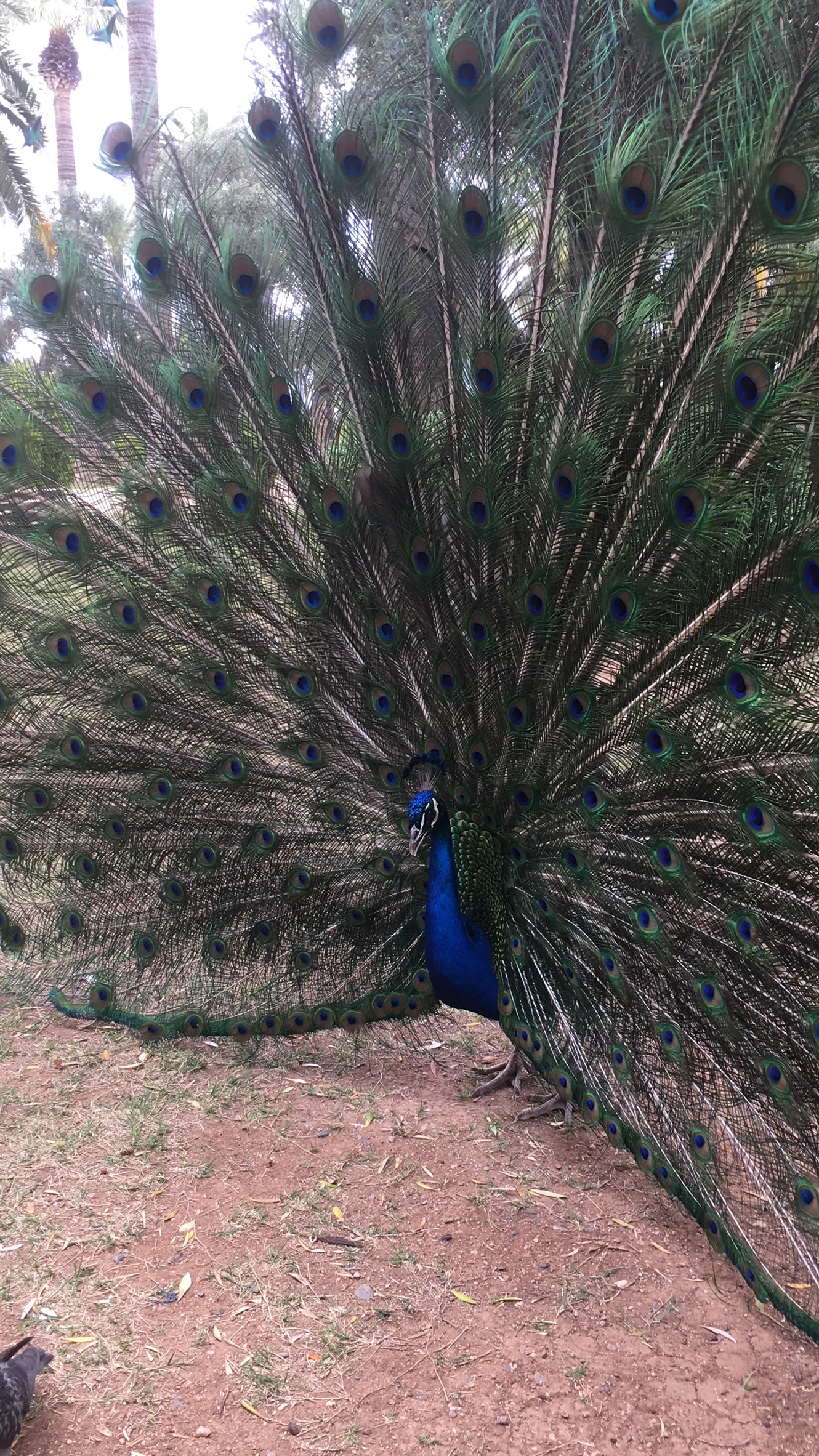
These peacocks are part of our ecosystem and have coexisted peacefully with the residents and park-goers for generations. Removing them could disrupt this balance and take away the charm that defines Sahuaro Ranch Park. The idea that these majestic creatures, who contribute to the biodiversity and charm of the park, are to be removed from their natural habitat is unjust and inexplicable.
Then to know some of them will be relocated to a lab in Texas is even more troubling. A quick google search produces multiple cruelty charges at their facility. One of their campus veterinarians lost her license after she shocked a sick horse fresh out of surgery 1,000 times. The horse was shocked in her face, eyes, vulva and other parts of her broken body. The university attempted to cover up her abuse, but multiple students in the stalls at the time came forward. She was ultimately fired and lost her license to practice veterinary medicine. This is just ONE example of the abuse that has happened and continues to happen at their facility. They are currently handling a lawsuit about the abuse in their beagle research program. A judge has issued an temporary order to cease testing until it can be further investigated.
While it is important to address concerns about park maintenance and the welfare of both the peacocks and visitors, relocating the peacocks is not the solution. Instead, the city could block off the affected skylights, institute a neutering program, the use of "dummy eggs", and allowing companies who volunteer to come out and power wash the sidewalks (saving the city money).
Dwindling the flock down to just 33 will leave them weak to predation. When a flock of birds has lived together in certain numbers for their whole lives, they create a system within the flock for protection. When you wipe those numbers out, the flock does NOT know how to protect itself in such small numbers. Considering the amount of predatory animals in the area, this could very well lead to the complete eradication of the remaining birds.
Moreover, splitting up the flock will very likely cause the collapse of the hierarchy within the flock. When this happens it looks like:
- Heightened aggression and territorialism
- Stress and disorientation (peafowl have a close social structure. Being suddenly separated can cause them to become distressed and disoriented)
- Self harming behaviors (feather plucking, self mutilation and appetite loss)
- Flight and dispersal (they may fly away and wander from their new area looking for their original flock, this speaks to how connected the flock is)
- The rebound effect (the flock will produce MORE chicks to compensate for its perceived loss. This signals the city has done little to no research on the long term effects of this "relocation")
The city claims there are multiple complaints about the droppings from the peacocks by various residents. As of 8/26, citizens have started an effort to clean up the mess in the front and back entries of the library.
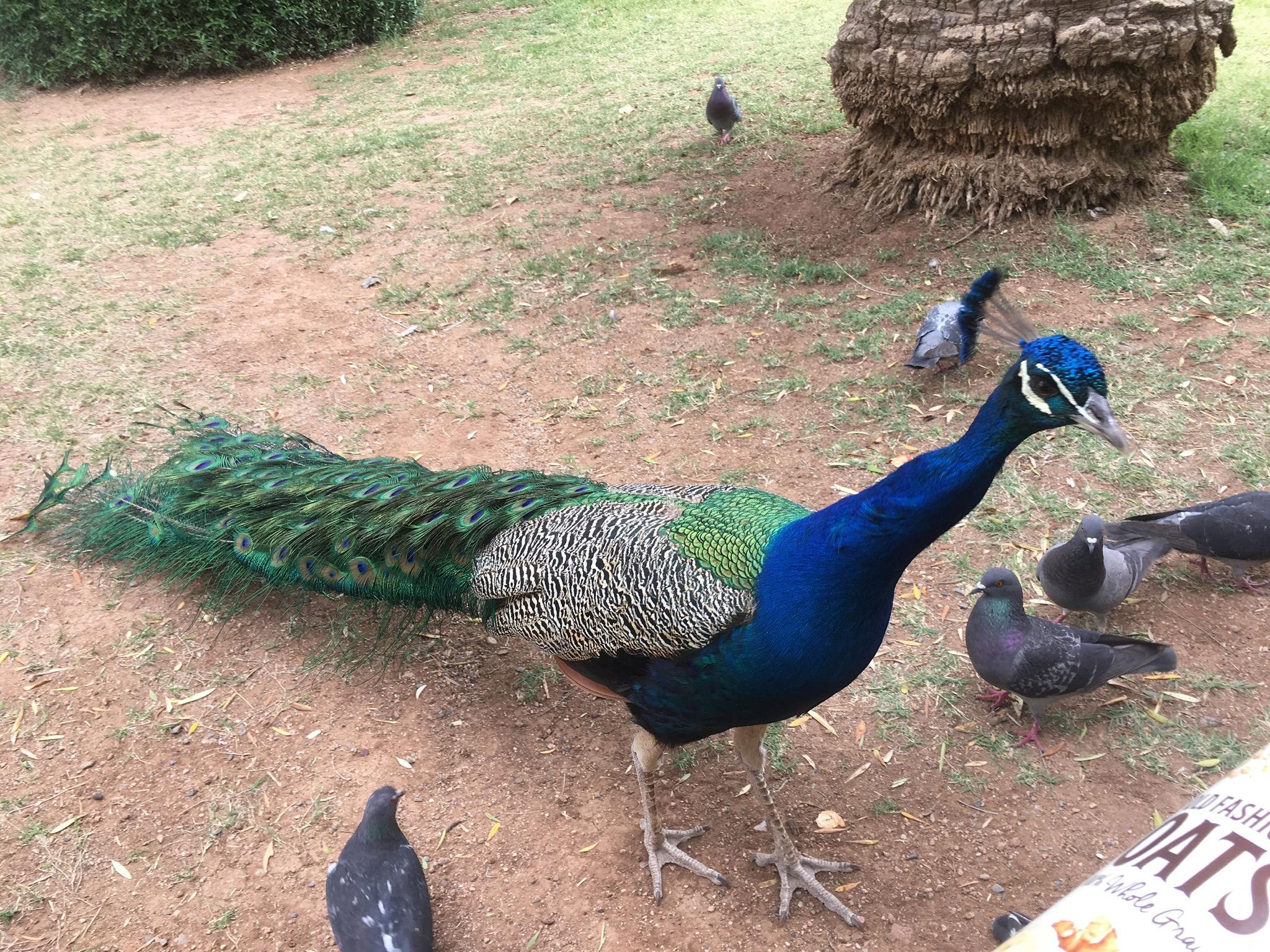
It has been confirmed the "count" the city did was done by an individual walking the park and counting the birds. These birds have acres to roam, without banding them as you count, there is no way to know if you have counted the same bird multiple times.
However, 8/28 I went out in the evening with a flashlight to where they roost at 8pm (so everyone was tucked away for the night) and counted 74 peacocks.
Join us in urging city officials to reconsider this decision and look for alternatives that will protect and preserve the peacocks' habitat while ensuring public enjoyment and safety. Please sign this petition to help keep Sahuaro Ranch's peacocks at their rightful home.
We have created a Facebook page for everyone to to stay updated with our efforts! Please join us!
https://www.facebook.com/share/g/18GsKC6pCq/?mibextid=wwXIfr
FB group name is : Sahuaro Ranch Peacock Preservation

4,854
The Issue
The Glendale City Council is moving forward with plans to disrupt, separate, and relocate the family of peacocks at Sahuaro Ranch Park.
Sahuaro Ranch Park, with its beautiful peacocks roaming freely, is not just a local attraction; it is a cornerstone of our community's identity. Visitors and locals alike have marveled at the splendor of these unique birds for decades. They have become a symbol of the area and a beloved aspect of our daily lives. The recent decision to relocate these creatures is both heartbreaking and unnecessary.
These peacocks are part of our ecosystem and have coexisted peacefully with the residents and park-goers for generations. Removing them could disrupt this balance and take away the charm that defines Sahuaro Ranch Park. The idea that these majestic creatures, who contribute to the biodiversity and charm of the park, are to be removed from their natural habitat is unjust and inexplicable.
Then to know some of them will be relocated to a lab in Texas is even more troubling. A quick google search produces multiple cruelty charges at their facility. One of their campus veterinarians lost her license after she shocked a sick horse fresh out of surgery 1,000 times. The horse was shocked in her face, eyes, vulva and other parts of her broken body. The university attempted to cover up her abuse, but multiple students in the stalls at the time came forward. She was ultimately fired and lost her license to practice veterinary medicine. This is just ONE example of the abuse that has happened and continues to happen at their facility. They are currently handling a lawsuit about the abuse in their beagle research program. A judge has issued an temporary order to cease testing until it can be further investigated.
While it is important to address concerns about park maintenance and the welfare of both the peacocks and visitors, relocating the peacocks is not the solution. Instead, the city could block off the affected skylights, institute a neutering program, the use of "dummy eggs", and allowing companies who volunteer to come out and power wash the sidewalks (saving the city money).
Dwindling the flock down to just 33 will leave them weak to predation. When a flock of birds has lived together in certain numbers for their whole lives, they create a system within the flock for protection. When you wipe those numbers out, the flock does NOT know how to protect itself in such small numbers. Considering the amount of predatory animals in the area, this could very well lead to the complete eradication of the remaining birds.
Moreover, splitting up the flock will very likely cause the collapse of the hierarchy within the flock. When this happens it looks like:
- Heightened aggression and territorialism
- Stress and disorientation (peafowl have a close social structure. Being suddenly separated can cause them to become distressed and disoriented)
- Self harming behaviors (feather plucking, self mutilation and appetite loss)
- Flight and dispersal (they may fly away and wander from their new area looking for their original flock, this speaks to how connected the flock is)
- The rebound effect (the flock will produce MORE chicks to compensate for its perceived loss. This signals the city has done little to no research on the long term effects of this "relocation")
The city claims there are multiple complaints about the droppings from the peacocks by various residents. As of 8/26, citizens have started an effort to clean up the mess in the front and back entries of the library.
It has been confirmed the "count" the city did was done by an individual walking the park and counting the birds. These birds have acres to roam, without banding them as you count, there is no way to know if you have counted the same bird multiple times.
However, 8/28 I went out in the evening with a flashlight to where they roost at 8pm (so everyone was tucked away for the night) and counted 74 peacocks.
Join us in urging city officials to reconsider this decision and look for alternatives that will protect and preserve the peacocks' habitat while ensuring public enjoyment and safety. Please sign this petition to help keep Sahuaro Ranch's peacocks at their rightful home.
We have created a Facebook page for everyone to to stay updated with our efforts! Please join us!
https://www.facebook.com/share/g/18GsKC6pCq/?mibextid=wwXIfr
FB group name is : Sahuaro Ranch Peacock Preservation
4,854
The Decision Makers


Supporter Voices
Petition Updates
Share this petition
Petition created on August 25, 2025