
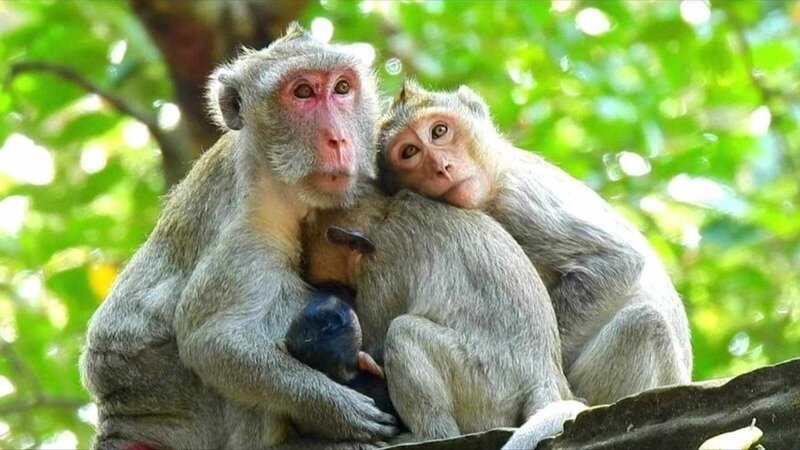
Stop the Relocation of Monkeys in Cambodia
El problema
Samdech Techo Hun Manet, Forestry Administration, UNESCO, UNEP, and IUCN,
We, the undersigned, are deeply concerned about the proposed relocation of monkeys from Phnom Pros & Phnom Srey and Angkor Archaeological Park in Cambodia. We urge you to reconsider this decision and explore more humane alternatives that prioritize the well-being of these animals and the preservation of their natural habitat.
Monkeys have played a significant role in Cambodian culture and religion for centuries. Their presence in Angkor and Phnom Pros is not only a natural wonder but also a cultural icon. Relocation could have detrimental effects on their health, social structure, and ability to adapt to new environments.
Moreover, studies have shown that relocating monkeys from their natural habitats can disrupt delicate ecosystems and lead to unforeseen consequences. For example, removing monkeys from their established homes can disrupt the intricate web of life in their native habitats, potentially harming other species and compromising the overall health of the ecosystem.
We believe that a collaborative approach that involves all stakeholders, including local communities, conservation organizations, and international experts, is essential to finding sustainable solutions. Instead of relocation, we propose the following measures to address potential conflicts between humans and monkeys:
• Enhanced education and awareness: Implement comprehensive education campaigns to inform visitors about proper behavior around wildlife. This could include:
◦ Increased signage: Clearly communicate guidelines for interacting with the monkeys and avoiding harmful behaviors.
◦ Verbal education: Provide on-site guidance to visitors, emphasizing the importance of respecting the animals and their habitat.
◦ Informational materials: Distribute brochures or pamphlets to educate tourists about the monkeys, their behavior, and the significance of their presence in the areas.
• Community engagement: Foster a sense of stewardship among local communities by involving them in conservation efforts and promoting sustainable tourism practices.
• Habitat restoration: Restore and protect natural habitats to provide adequate food and shelter for the monkeys, reducing the likelihood of conflicts.
• Conflict mitigation strategies: Develop strategies like non-harmful deterrents or barriers to deter monkeys from entering areas where human-wildlife conflicts can be common.
By adopting these measures, we can create a more harmonious coexistence between humans and wildlife, ensuring the protection of Angkor's biodiversity and the preservation of its cultural heritage.
Relocating monkeys to breeding farms is cruel and unethical. Breeding farms prioritize profit over animal welfare, subjecting monkeys to suffering and contributing to the decline of wild populations. We must protect these endangered species and oppose this inhumane practice. This cruel and unsustainable industry puts the future of these magnificent creatures at risk.
We implore you to prioritize the well-being of these animals and their natural habitat. By choosing humane and sustainable solutions, we can set a positive example for wildlife conservation worldwide.
Thank you for your attention to this urgent matter.
Sincerely,
Francisco Xabier Souto Ares
Lorna Buchanan
Piotr Sułek
Julie Latham
Shelli Alexander Gambill
Lorry Kaller
Jolanta Gawdzis
Maria Lurdes Martins Ascensão
Amparo Piera
Beckie McGonagle
Pirkko Vesasalo
Christy Kling
Lisa Cubisino
Lori-Anne Fewkes
Eva Magkou-LaJiness
Renie Adams
Stiena Bjork
Zena Sy
Signatory Groups:
The Monkeys Advocate
Stop Abuse to Baby Monkeys
Bubu Team
Primate Advocates Conservation Effort (PACE)
I love monkeys Cambodia - Kocham małpy Kambodży
Monkey Libby and her Family

651
El problema
Samdech Techo Hun Manet, Forestry Administration, UNESCO, UNEP, and IUCN,
We, the undersigned, are deeply concerned about the proposed relocation of monkeys from Phnom Pros & Phnom Srey and Angkor Archaeological Park in Cambodia. We urge you to reconsider this decision and explore more humane alternatives that prioritize the well-being of these animals and the preservation of their natural habitat.
Monkeys have played a significant role in Cambodian culture and religion for centuries. Their presence in Angkor and Phnom Pros is not only a natural wonder but also a cultural icon. Relocation could have detrimental effects on their health, social structure, and ability to adapt to new environments.
Moreover, studies have shown that relocating monkeys from their natural habitats can disrupt delicate ecosystems and lead to unforeseen consequences. For example, removing monkeys from their established homes can disrupt the intricate web of life in their native habitats, potentially harming other species and compromising the overall health of the ecosystem.
We believe that a collaborative approach that involves all stakeholders, including local communities, conservation organizations, and international experts, is essential to finding sustainable solutions. Instead of relocation, we propose the following measures to address potential conflicts between humans and monkeys:
• Enhanced education and awareness: Implement comprehensive education campaigns to inform visitors about proper behavior around wildlife. This could include:
◦ Increased signage: Clearly communicate guidelines for interacting with the monkeys and avoiding harmful behaviors.
◦ Verbal education: Provide on-site guidance to visitors, emphasizing the importance of respecting the animals and their habitat.
◦ Informational materials: Distribute brochures or pamphlets to educate tourists about the monkeys, their behavior, and the significance of their presence in the areas.
• Community engagement: Foster a sense of stewardship among local communities by involving them in conservation efforts and promoting sustainable tourism practices.
• Habitat restoration: Restore and protect natural habitats to provide adequate food and shelter for the monkeys, reducing the likelihood of conflicts.
• Conflict mitigation strategies: Develop strategies like non-harmful deterrents or barriers to deter monkeys from entering areas where human-wildlife conflicts can be common.
By adopting these measures, we can create a more harmonious coexistence between humans and wildlife, ensuring the protection of Angkor's biodiversity and the preservation of its cultural heritage.
Relocating monkeys to breeding farms is cruel and unethical. Breeding farms prioritize profit over animal welfare, subjecting monkeys to suffering and contributing to the decline of wild populations. We must protect these endangered species and oppose this inhumane practice. This cruel and unsustainable industry puts the future of these magnificent creatures at risk.
We implore you to prioritize the well-being of these animals and their natural habitat. By choosing humane and sustainable solutions, we can set a positive example for wildlife conservation worldwide.
Thank you for your attention to this urgent matter.
Sincerely,
Francisco Xabier Souto Ares
Lorna Buchanan
Piotr Sułek
Julie Latham
Shelli Alexander Gambill
Lorry Kaller
Jolanta Gawdzis
Maria Lurdes Martins Ascensão
Amparo Piera
Beckie McGonagle
Pirkko Vesasalo
Christy Kling
Lisa Cubisino
Lori-Anne Fewkes
Eva Magkou-LaJiness
Renie Adams
Stiena Bjork
Zena Sy
Signatory Groups:
The Monkeys Advocate
Stop Abuse to Baby Monkeys
Bubu Team
Primate Advocates Conservation Effort (PACE)
I love monkeys Cambodia - Kocham małpy Kambodży
Monkey Libby and her Family
Los destinatarios de la petición
Opiniones de firmantes
Actualizaciones de la petición
Compartir esta petición
Petición creada en 15 de septiembre de 2024