Stop the killing of coyotes in Cape Breton Highlands
The Issue
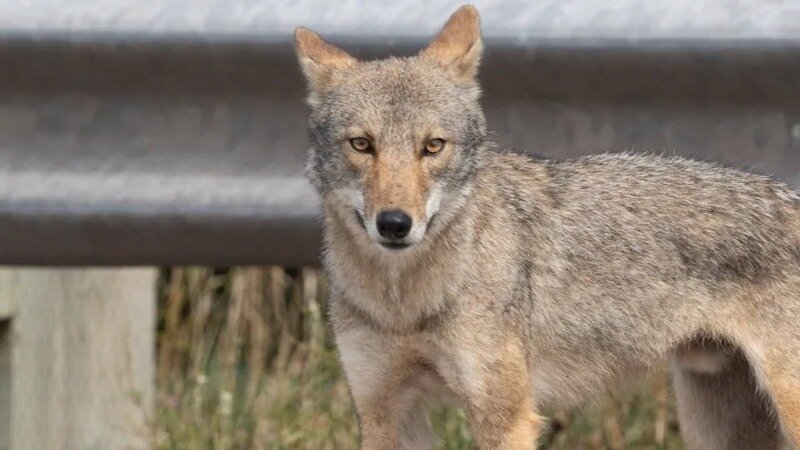
Please stop all efforts to leghold trap, snare, and shoot coyotes after a bite incident. Bites are always because someone fed the coyotes. It is very unlikely you will kill the one who bit, but even if you do, that is pointless because people who feed coyotes feed all sorts of animals. The coyotes killed are quickly replaced. This is a natural dispersal time, and the coyotes who bit are likely young and inexperienced animals. Please, instead of killing, keep the areas closed longer until Coyote Watch Canada can haze and retrain the coyotes.
But even human habituated coyotes require hazing, not bullets.
Cape Breton Highlands National Park holds a special place in my heart, cherished for its breathtaking landscapes and diverse wildlife. However, it is disheartening to witness the park's response to incidents involving coyotes. Recently, a tourist was bitten at MacIntosh Brook on the evening of September 24, 2026, prompting Parks Canada to close several areas as a precaution. While safety is paramount, the park's history of dealing with such incidents raises serious concerns. https://www.facebook.com/share/p/19c4Auy261/
In the past, incidents like these have led to the hunting and killing of coyotes through methods such as shooting, leghold trapping, and snaring. This reactionary approach is not only cruel but also ineffective. Coyotes are transient creatures, often passing through areas temporarily. Removing one coyote does not address the root of the issue—attractants that draw them in. It is only a matter of time before another coyote fills the purportedly vacated territory.
Cape Breton Highlands National Park's approach needs re-evaluation. There are more effective and humane alternatives available, such as improving garbage management to reduce attractants, using non-lethal deterrents, and educating the public about safely sharing space with wildlife. Studies have shown that killing coyotes does not significantly diminish their numbers in the long term, as these resilient animals quickly rebound due to their complex social structures.
By implementing a compassionate and science-based management plan, we can ensure the safety of both visitors and wildlife. It is essential for Parks Canada to lead by example, showing that coexistence is not just a possibility, but a priority.
I urge Parks Canada to halt the killing of coyotes in Cape Breton Highlands National Park. Instead, let's work towards sustainable strategies that protect both our valuable ecosystems and the tourists who visit them.
Sign this petition to demand that Cape Breton Highlands National Park abandons lethal management and adopts humane, long-term wildlife coexistence strategies.
⚠️Temporary closures in Cape Breton Highlands National Park ⚠️
Parks Canada is responding to an incident in which a visitor was bitten by a coyote at MacIntosh Brook on the evening of September 24, 2026. As a precaution while staff assess the situation, the following areas are temporarily closed:
• MacIntosh Brook
• Lone Shieling
• Pull-offs in the surrounding area
Parks Canada staff are actively monitoring the affected area.
Visitors are asked to respect all closures and signage.
Visitors and local community residents are reminded to use caution around wildlife and give animals plenty of space. If you encounter a coyote, do not run. Make yourself appear large, make noise and slowly back away. Never feed wildlife.
Parks Canada will provide updates as more information becomes available.

168
The Issue
Please stop all efforts to leghold trap, snare, and shoot coyotes after a bite incident. Bites are always because someone fed the coyotes. It is very unlikely you will kill the one who bit, but even if you do, that is pointless because people who feed coyotes feed all sorts of animals. The coyotes killed are quickly replaced. This is a natural dispersal time, and the coyotes who bit are likely young and inexperienced animals. Please, instead of killing, keep the areas closed longer until Coyote Watch Canada can haze and retrain the coyotes.
But even human habituated coyotes require hazing, not bullets.
Cape Breton Highlands National Park holds a special place in my heart, cherished for its breathtaking landscapes and diverse wildlife. However, it is disheartening to witness the park's response to incidents involving coyotes. Recently, a tourist was bitten at MacIntosh Brook on the evening of September 24, 2026, prompting Parks Canada to close several areas as a precaution. While safety is paramount, the park's history of dealing with such incidents raises serious concerns. https://www.facebook.com/share/p/19c4Auy261/
In the past, incidents like these have led to the hunting and killing of coyotes through methods such as shooting, leghold trapping, and snaring. This reactionary approach is not only cruel but also ineffective. Coyotes are transient creatures, often passing through areas temporarily. Removing one coyote does not address the root of the issue—attractants that draw them in. It is only a matter of time before another coyote fills the purportedly vacated territory.
Cape Breton Highlands National Park's approach needs re-evaluation. There are more effective and humane alternatives available, such as improving garbage management to reduce attractants, using non-lethal deterrents, and educating the public about safely sharing space with wildlife. Studies have shown that killing coyotes does not significantly diminish their numbers in the long term, as these resilient animals quickly rebound due to their complex social structures.
By implementing a compassionate and science-based management plan, we can ensure the safety of both visitors and wildlife. It is essential for Parks Canada to lead by example, showing that coexistence is not just a possibility, but a priority.
I urge Parks Canada to halt the killing of coyotes in Cape Breton Highlands National Park. Instead, let's work towards sustainable strategies that protect both our valuable ecosystems and the tourists who visit them.
Sign this petition to demand that Cape Breton Highlands National Park abandons lethal management and adopts humane, long-term wildlife coexistence strategies.
⚠️Temporary closures in Cape Breton Highlands National Park ⚠️
Parks Canada is responding to an incident in which a visitor was bitten by a coyote at MacIntosh Brook on the evening of September 24, 2026. As a precaution while staff assess the situation, the following areas are temporarily closed:
• MacIntosh Brook
• Lone Shieling
• Pull-offs in the surrounding area
Parks Canada staff are actively monitoring the affected area.
Visitors are asked to respect all closures and signage.
Visitors and local community residents are reminded to use caution around wildlife and give animals plenty of space. If you encounter a coyote, do not run. Make yourself appear large, make noise and slowly back away. Never feed wildlife.
Parks Canada will provide updates as more information becomes available.
The Decision Makers

Supporter Voices
Petition Updates
Share this petition
Petition created on September 26, 2026