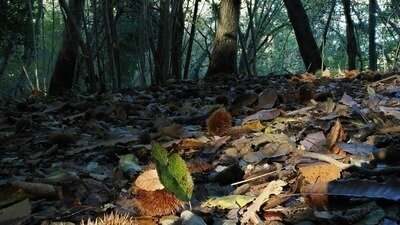

Stop the Clearing of West Virginia's Rare American Chestnut Grove
The Issue
A grove of roughly 200 American chestnut trees in Mason County, West Virginia, could be cut down as early as November 1, according to conservation advocates. The trees stand at the former Clements State Tree Nursery in West Columbia, close to land planned for data center development. Governor Patrick Morrisey and the West Virginia Division of Forestry have the power to make sure not a single tree falls until the public gets clear answers.
The American chestnut was once the backbone of Appalachian forests. It fed wildlife and mountain families, and its wood built homes and barns across the region. Then a fungus from Asia arrived in the early 1900s. The blight killed an estimated 3 to 4 billion trees and nearly wiped the species off the map.
Advocates say this grove was grown in the 1970s from wild chestnuts that somehow survived the blight. If that is true, these trees are a living library of genes that restoration efforts across West Virginia rely on. Fifty years of growth cannot be replanted overnight.
Right now, nobody can say for sure whose land the grove sits on. Project Tamarack, a planned data center in West Columbia, says the old nursery falls outside its project boundaries. Yet no parcel maps or site plans have been made public, and no environmental review has come to light.
West Virginia can welcome new jobs and investment and still protect its heritage. Governor Morrisey and the Division of Forestry should release the parcel maps and site plans, bring in the American Chestnut Foundation, and block any clearing of the grove until its value is reviewed and options to preserve or relocate the trees are on the table.
Sign the petition to protect this chestnut grove before November 1, while there is still time to save it.
857
The Issue
A grove of roughly 200 American chestnut trees in Mason County, West Virginia, could be cut down as early as November 1, according to conservation advocates. The trees stand at the former Clements State Tree Nursery in West Columbia, close to land planned for data center development. Governor Patrick Morrisey and the West Virginia Division of Forestry have the power to make sure not a single tree falls until the public gets clear answers.
The American chestnut was once the backbone of Appalachian forests. It fed wildlife and mountain families, and its wood built homes and barns across the region. Then a fungus from Asia arrived in the early 1900s. The blight killed an estimated 3 to 4 billion trees and nearly wiped the species off the map.
Advocates say this grove was grown in the 1970s from wild chestnuts that somehow survived the blight. If that is true, these trees are a living library of genes that restoration efforts across West Virginia rely on. Fifty years of growth cannot be replanted overnight.
Right now, nobody can say for sure whose land the grove sits on. Project Tamarack, a planned data center in West Columbia, says the old nursery falls outside its project boundaries. Yet no parcel maps or site plans have been made public, and no environmental review has come to light.
West Virginia can welcome new jobs and investment and still protect its heritage. Governor Morrisey and the Division of Forestry should release the parcel maps and site plans, bring in the American Chestnut Foundation, and block any clearing of the grove until its value is reviewed and options to preserve or relocate the trees are on the table.
Sign the petition to protect this chestnut grove before November 1, while there is still time to save it.
The Decision Makers

Supporter Voices
Petition Updates
Share this petition
Petition created on October 7, 2026