Stop Logging the South Tobacco Roots Grizzly Corridor
The Issue
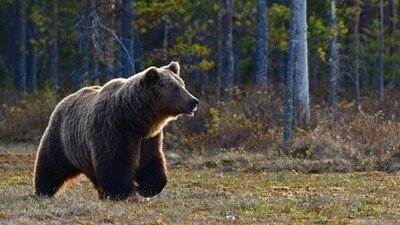
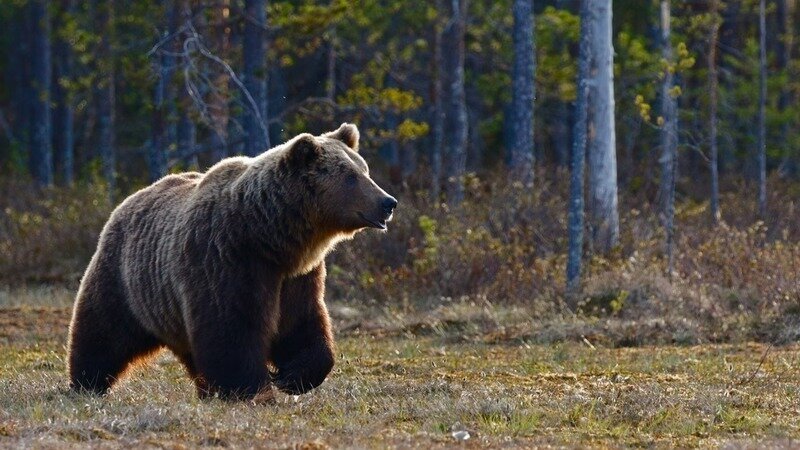
Grizzly bears in the Greater Yellowstone Ecosystem and the Northern Continental Divide Ecosystem in Montana depend on one thing to survive long-term: each other. A narrow stretch of wild land in the South Tobacco Root Mountains, about 10 miles north of Virginia City, is one of the last places these two grizzly populations can still mix and share genes. Without that connection, both populations risk the kind of inbreeding that leads to shrinking, unhealthy populations over time.
The U.S. Forest Service now wants to log and burn that exact stretch of habitat. Its plan for the South Tobacco Roots Project authorizes logging on 3,876 acres, including 578 acres of large clearcuts, plus prescribed burning across 12,420 acres — much of it sage grouse habitat. The project would also bulldoze 14 miles of new roads through the forest, and bears are killed near roads far more often than anywhere else. On top of the corridor damage, the project would remove habitat for threatened Canada lynx and cut into 2,028 acres of whitebark pine, a slow-growing keystone tree that can live over a thousand years and feeds grizzlies, red squirrels, and Clark's nutcracker with its seeds.
Four conservation groups — the Alliance for the Wild Rockies, Native Ecosystems Council, Gallatin Wildlife Association, and Council on Wildlife and Fish — have taken the Forest Service to court over this plan, arguing it violates the Endangered Species Act instead of complying with it. Montana courts have already struck down two similar Forest Service projects for the same flawed approach to grizzly habitat.
The Beaverhead-Deerlodge National Forest and the U.S. Forest Service should abandon this project and protect the South Tobacco Roots corridor instead of logging it. Sign the petition to stop the South Tobacco Roots logging plan now — before one of the last links between these grizzly populations is cut for good.
204
The Issue
Grizzly bears in the Greater Yellowstone Ecosystem and the Northern Continental Divide Ecosystem in Montana depend on one thing to survive long-term: each other. A narrow stretch of wild land in the South Tobacco Root Mountains, about 10 miles north of Virginia City, is one of the last places these two grizzly populations can still mix and share genes. Without that connection, both populations risk the kind of inbreeding that leads to shrinking, unhealthy populations over time.
The U.S. Forest Service now wants to log and burn that exact stretch of habitat. Its plan for the South Tobacco Roots Project authorizes logging on 3,876 acres, including 578 acres of large clearcuts, plus prescribed burning across 12,420 acres — much of it sage grouse habitat. The project would also bulldoze 14 miles of new roads through the forest, and bears are killed near roads far more often than anywhere else. On top of the corridor damage, the project would remove habitat for threatened Canada lynx and cut into 2,028 acres of whitebark pine, a slow-growing keystone tree that can live over a thousand years and feeds grizzlies, red squirrels, and Clark's nutcracker with its seeds.
Four conservation groups — the Alliance for the Wild Rockies, Native Ecosystems Council, Gallatin Wildlife Association, and Council on Wildlife and Fish — have taken the Forest Service to court over this plan, arguing it violates the Endangered Species Act instead of complying with it. Montana courts have already struck down two similar Forest Service projects for the same flawed approach to grizzly habitat.
The Beaverhead-Deerlodge National Forest and the U.S. Forest Service should abandon this project and protect the South Tobacco Roots corridor instead of logging it. Sign the petition to stop the South Tobacco Roots logging plan now — before one of the last links between these grizzly populations is cut for good.
The Decision Makers

Supporter Voices
Petition Updates
Share this petition
Petition created on August 26, 2026