Free Training: Long-term consequences of ECT on Speech & Communication

Can you believe it's already September?
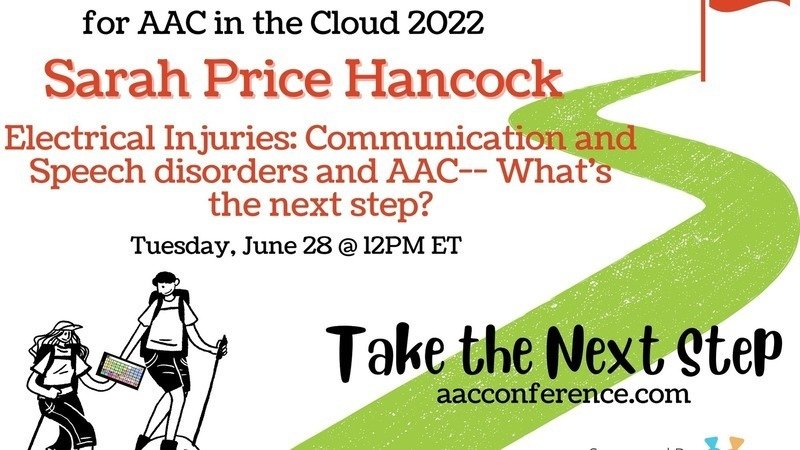
In June I gave the first ever conference presentation on Electrical Injury: Speech, Communication disorders and AAC. (You can click on the link to download the entire script/slides from ResearchGate).
This presentation is original research discussing acquired communication disorders caused by electrical trauma which pose unique communication barriers due to their evolving symptom manifestation. As the person ages away from the initial injury, communication barriers can become more pronounced with age.
This presentation provides details explaining how electrical trauma, repeated electrical trauma and lengthy exposure to other forms of non-ionizing radiation can impact speech and communication. Following both UK's National Radiological Protection Board and United States Gulf War Hearing recommendations to study electroconvulsive therapy recipients to better understand the heterogeneity of amyotrophic lateral sclerosis (ALS) and other neurodegenerative diseases. I present four different case studies: Functional NeuroCognitive Imaging results and videos of ECT recipients now living with the neurological sequela of electrical injury impacting speech and communication. It provides insights into the potential interventions which successfully work for me (living with speech and communication disorders because of chronic electroconvulsive therapy). It identifies strategies to make alternative augmentative communication (AAC) less fatiguing for people who live with a history of chronic exposure to non-ionizing radiation. The presentation concludes with ideas for future research.
Topics discussed include:
-Non-ionizing radiation exposures and subsequent neurodegenerative diseases (Progressive supranuclear palsy and Myoneural Disorders: Amyotrophic Lateral Sclerosis, Motor Neuron Disease and Muscular Sclerosis).
-Immediate and delayed consequences of Electrical Injury/Electromagnetic injury
-Repetitive mild to moderate Traumatic Brain Injuries
-Cognitive communication disorder
-Anoxia/Hypoxia
-Trigeminal, vagal and other cranial nerve dysfunction.
-Electroporation
-Motor Neuron Dysfunction/Motor Neuron Loss
-Demyelination
-Episodic Paroxysmal Neuromuscular Disorders
-Acquired Channelopathies
-Thiols
-Aphasia
-Verbal Apraxia
-Dysarthria, Anarthria
-Preserving residual voice
-Barriers to accessing AAC
-Voice Banking
-AAC Recommendations
The live recorded presentation is available with 1.0 CEU through "AAC in the Cloud" website (Electrical Injuries: Communication and Speech disorders and AAC-- What's the next step?) Please note I had substantial technical difficulties coordinating audio for the video and have been invited to rerecord the presentation which I will hopefully complete in the coming weeks.
**The original presentation during the conference had some technical difficulties coordinating audio during videos and captioning concerns. Conference organizers invited me to re-record this presentation. This re-recording will be available in the coming weeks. In the meantime, you can read my presentation script with my slides attached to this email or by downloading it from ResearchGate.
DOI: 10.13140/RG.2.2.20331.41769
It would mean a lot to me if you could share this research with speech language pathologists and other medical professionals desiring to understand the long-term consequences of electrical injury.
Respectfully,
Sarah