Save Harriet the Badger: Urge NatureScot to Reconsider Educational Licence
The Issue
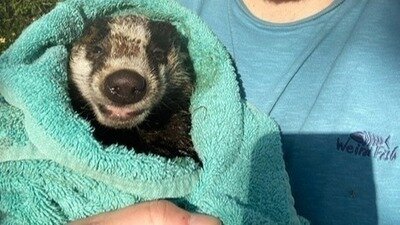
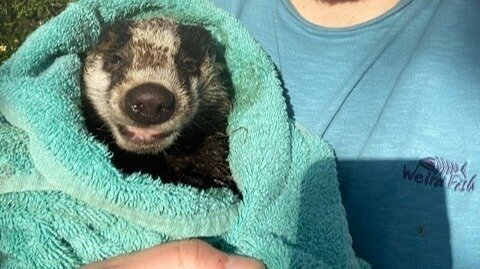
Save Harriet the Badger
Call on NatureScot to Reconsider an Educational Licence for Graeme at GW Wildlife Rescue and Rehabilitation!
Harriet deserves an individual welfare assessment. Graeme’s expertise deserves to be heard. Please help us call for a fair, evidence-based solution.
Who is Harriet the Badger:
Harriet is a young badger found unwell and extremely young who came into the care of GW Ecology Wildlife Rescue and Rehabilitation in the Scottish Borders. Graeme, a Principal Ecologist with extensive experience of badgers and protected species, has cared for her.
When Harriet arrived, she was already drinking milk from a bottle and appeared very familiar with the process and being around people in general before Graeme had shown her what to do. This raises questions about whether she had previously been handled or hand-reared by an unknown person (it is very likley that this was the case).
Why release back into the wild is not appropriate:
When Harriet was well enough, Graeme made multiple attempts to release her undisclosed confidential sett locations. These attempts were unsuccessful. Harriet became extremely distressed and appeared determined to return to Graeme and the environment she recognised as home. She also appeared uncomfortable around other badgers. We cannot establish why Harriet behaves this way.
Familiarity with Graeme and her established care environment. Her circumstances raise important questions about her long-term welfare, whether relocation would be suitable for her, and what arrangements would best meet her individual needs.
Now, following the refusal of an educational licence application by NatureScot and an indication that Harriet should be rehomed, we are asking for her case to be reconsidered carefully and fairly.
Why Graeme’s experience matters:
Graeme is a Principal Ecologist with extensive experience and specialist knowledge of badgers and protected species.
His professional background, familiarity with Harriet and understanding of wildlife conservation are important considerations when assessing whether a suitable, carefully managed educational arrangement could be developed.
We believe that Graeme should have the opportunity to present a comprehensive proposal, supported by veterinary evidence, appropriate facilities, a welfare-management plan and suitable safeguards.
The question should be whether a proposed arrangement can meet the relevant legal requirements and Harriet’s welfare needs, assessed on her individual merits.
Why relocation must be carefully assessed:
Moving a sensitive species from a familiar environment into a new facility can involve changes in surroundings, routine, care and opportunities for privacy. For an animal with Harriet’s particular history, these factors deserve proper consideration.
We are not claiming that every alternative placement would be unsuitable. We are asking that any proposed placement be assessed individually, with appropriate veterinary input and a clear understanding of Harriet’s needs.
Nor should anyone assume that her familiarity with Graeme alone settles the question. The decision should be informed by professional evidence, animal welfare considerations and the practical options available.
Harriet’s future should not be decided without a thorough assessment of those factors.
Why an educational licence could make a difference:
A properly regulated educational arrangement could potentially allow Harriet’s circumstances to support public understanding of badgers, wildlife rescue, habitat conservation and the responsibilities involved in caring for protected species.
A proposal could include:
- Suitable accommodation and an appropriately designed artificial sett.
- Veterinary oversight and regular welfare assessments
- Appropriate enrichment, privacy, monitoring and biosecurity.
- Carefully managed educational activities designed to minimise disturbance.
- Clear visitor limits, professional supervision and ongoing compliance with licensing conditions.
- Any such arrangement must meet the applicable legal requirements, and we recognise NatureScot’s responsibility to protect Scotland’s wildlife.
We are asking for a fair assessment of whether a revised proposal could satisfy those requirements while meeting Harriet’s individual needs.
We respectfully call on NatureScot to:
- Reconsider the refusal of Harriet’s educational licence application and explain the reasons for its decision.
- Give proper consideration to Graeme’s experience as a Principal Ecologist specialising in badgers and protected species.
- Assess Harriet’s individual welfare needs and the available evidence before determining the most appropriate long-term arrangement.
- Consider a revised application supported by veterinary advice, a detailed welfare plan and suitable facilities.
- Evaluate any proposed alternative placement carefully, including its suitability for Harriet’s particular circumstances.
- Engage constructively with Graeme to identify a practical, lawful and welfare-led way forward.
Why your signature matters:
This campaign is about Harriet, but it also raises a wider question about how individual cases involving rescued and habituated protected wildlife are assessed.
Responsible wildlife protection requires respect for the law, sound professional judgement and careful consideration of animal welfare. These principles should work together.
We want Harriet’s circumstances to be examined thoroughly, Graeme’s professional expertise to be heard, and every realistic and lawful option to be considered before an irreversible decision is made.
Please sign and share this petition calling on NatureScot to reconsider Harriet’s case and give a properly supported educational licence proposal fair consideration.
Every signature helps bring attention to Harriet’s circumstances and the importance of evidence-based decisions about wildlife welfare and conservation education.
Let us work towards a future for Harriet that puts her welfare, responsible wildlife care and the protection of Scotland’s wildlife first.
Having worked extensively with protected species throughout my career as a Senior Ecologist, the story of Harriet the badger resonates deeply with me. I have never met Harriet, but I know when support is needed most.
I will also be doing a Go Fund Me for Harriet to get her the proposal together she needs, including expenses to afford an artificial sett / conservation area for Harriet, should the educational licence be granted, if not funds will go towards her on going care and/or to GW Wildlife Rescue and Rehabilitation.
Many thanks,
Christine Judd

144
The Issue
Save Harriet the Badger
Call on NatureScot to Reconsider an Educational Licence for Graeme at GW Wildlife Rescue and Rehabilitation!
Harriet deserves an individual welfare assessment. Graeme’s expertise deserves to be heard. Please help us call for a fair, evidence-based solution.
Who is Harriet the Badger:
Harriet is a young badger found unwell and extremely young who came into the care of GW Ecology Wildlife Rescue and Rehabilitation in the Scottish Borders. Graeme, a Principal Ecologist with extensive experience of badgers and protected species, has cared for her.
When Harriet arrived, she was already drinking milk from a bottle and appeared very familiar with the process and being around people in general before Graeme had shown her what to do. This raises questions about whether she had previously been handled or hand-reared by an unknown person (it is very likley that this was the case).
Why release back into the wild is not appropriate:
When Harriet was well enough, Graeme made multiple attempts to release her undisclosed confidential sett locations. These attempts were unsuccessful. Harriet became extremely distressed and appeared determined to return to Graeme and the environment she recognised as home. She also appeared uncomfortable around other badgers. We cannot establish why Harriet behaves this way.
Familiarity with Graeme and her established care environment. Her circumstances raise important questions about her long-term welfare, whether relocation would be suitable for her, and what arrangements would best meet her individual needs.
Now, following the refusal of an educational licence application by NatureScot and an indication that Harriet should be rehomed, we are asking for her case to be reconsidered carefully and fairly.
Why Graeme’s experience matters:
Graeme is a Principal Ecologist with extensive experience and specialist knowledge of badgers and protected species.
His professional background, familiarity with Harriet and understanding of wildlife conservation are important considerations when assessing whether a suitable, carefully managed educational arrangement could be developed.
We believe that Graeme should have the opportunity to present a comprehensive proposal, supported by veterinary evidence, appropriate facilities, a welfare-management plan and suitable safeguards.
The question should be whether a proposed arrangement can meet the relevant legal requirements and Harriet’s welfare needs, assessed on her individual merits.
Why relocation must be carefully assessed:
Moving a sensitive species from a familiar environment into a new facility can involve changes in surroundings, routine, care and opportunities for privacy. For an animal with Harriet’s particular history, these factors deserve proper consideration.
We are not claiming that every alternative placement would be unsuitable. We are asking that any proposed placement be assessed individually, with appropriate veterinary input and a clear understanding of Harriet’s needs.
Nor should anyone assume that her familiarity with Graeme alone settles the question. The decision should be informed by professional evidence, animal welfare considerations and the practical options available.
Harriet’s future should not be decided without a thorough assessment of those factors.
Why an educational licence could make a difference:
A properly regulated educational arrangement could potentially allow Harriet’s circumstances to support public understanding of badgers, wildlife rescue, habitat conservation and the responsibilities involved in caring for protected species.
A proposal could include:
- Suitable accommodation and an appropriately designed artificial sett.
- Veterinary oversight and regular welfare assessments
- Appropriate enrichment, privacy, monitoring and biosecurity.
- Carefully managed educational activities designed to minimise disturbance.
- Clear visitor limits, professional supervision and ongoing compliance with licensing conditions.
- Any such arrangement must meet the applicable legal requirements, and we recognise NatureScot’s responsibility to protect Scotland’s wildlife.
We are asking for a fair assessment of whether a revised proposal could satisfy those requirements while meeting Harriet’s individual needs.
We respectfully call on NatureScot to:
- Reconsider the refusal of Harriet’s educational licence application and explain the reasons for its decision.
- Give proper consideration to Graeme’s experience as a Principal Ecologist specialising in badgers and protected species.
- Assess Harriet’s individual welfare needs and the available evidence before determining the most appropriate long-term arrangement.
- Consider a revised application supported by veterinary advice, a detailed welfare plan and suitable facilities.
- Evaluate any proposed alternative placement carefully, including its suitability for Harriet’s particular circumstances.
- Engage constructively with Graeme to identify a practical, lawful and welfare-led way forward.
Why your signature matters:
This campaign is about Harriet, but it also raises a wider question about how individual cases involving rescued and habituated protected wildlife are assessed.
Responsible wildlife protection requires respect for the law, sound professional judgement and careful consideration of animal welfare. These principles should work together.
We want Harriet’s circumstances to be examined thoroughly, Graeme’s professional expertise to be heard, and every realistic and lawful option to be considered before an irreversible decision is made.
Please sign and share this petition calling on NatureScot to reconsider Harriet’s case and give a properly supported educational licence proposal fair consideration.
Every signature helps bring attention to Harriet’s circumstances and the importance of evidence-based decisions about wildlife welfare and conservation education.
Let us work towards a future for Harriet that puts her welfare, responsible wildlife care and the protection of Scotland’s wildlife first.
Having worked extensively with protected species throughout my career as a Senior Ecologist, the story of Harriet the badger resonates deeply with me. I have never met Harriet, but I know when support is needed most.
I will also be doing a Go Fund Me for Harriet to get her the proposal together she needs, including expenses to afford an artificial sett / conservation area for Harriet, should the educational licence be granted, if not funds will go towards her on going care and/or to GW Wildlife Rescue and Rehabilitation.
Many thanks,
Christine Judd
Supporter Voices
Petition Updates
Share this petition
Petition created on 25 October 2026