Reverse the New DIY Waste Charges at Lynbottom & Afton Marsh
The Issue
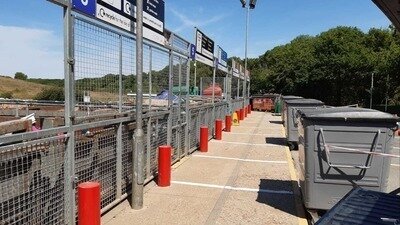
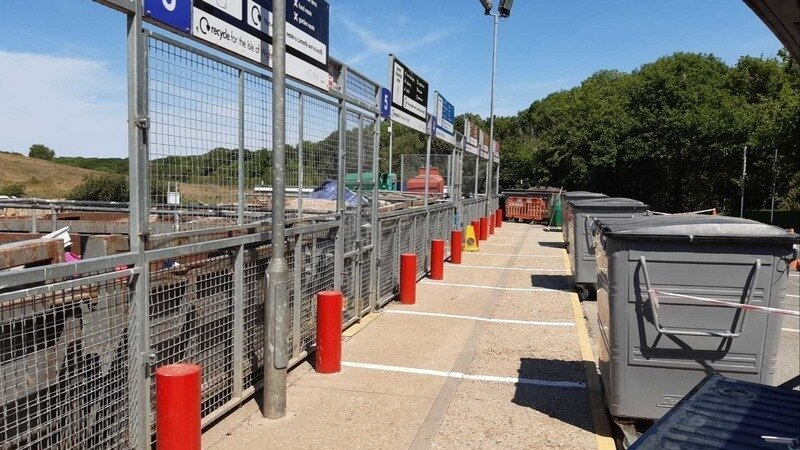
We, the residents of the Isle of Wight, call on the Isle of Wight Council to reverse the newly introduced DIY waste charges at Lynbottom and Afton Marsh Household Waste Recycling Centres.
These charges unfairly penalise ordinary homeowners who are simply trying to maintain, repair, or renovate their own homes. The new policy forces residents to pay for disposing of rubble, tiles, plasterboard, soil, and other DIY materials, waste that has always been part of normal household renovation and should not be treated as commercial.
Why this matters
Many Islanders rely on DIY because they cannot afford contractors. Charging for small amounts of renovation waste is effectively a tax on home improvement, hitting families who are simply trying to keep their homes safe and functional.
The council has since clarified that residents may dispose of up to two 50‑litre bags of DIY waste per week free of charge. However, this allowance is still far too small for genuine home repairs. Even minor projects such asfixing a bathroom leak, repairing damaged plasterboard, replacing tiles, removing old flooring, produce far more than two small bags of waste.
This “free allowance” does not meaningfully reduce the financial burden. It simply delays the point at which residents are forced to pay new fees for waste that has always been accepted as household renovation. The policy still treats DIY waste from private homes as if it were commercial activity, which it is not.
The charges also risk increasing fly‑tipping, harming our countryside and costing the council more in cleanup than the fees will ever generate. Other councils have reversed similar charges after public opposition and evidence of negative impact. Islanders were not given meaningful consultation before these fees were introduced.
What we are asking for
We request that the Isle of Wight Council:
- Scraps the new DIY waste charges entirely, OR
- Introduces a fairer, resident‑focused system, such as:
- A larger free allowance for homeowners renovating their own property
- A monthly free quota
- Exemptions for essential repairs (bathrooms, kitchens, structural fixes)
- A full public consultation before any future changes
Who this affects
This policy impacts:
- homeowners renovating their houses
- families improving living conditions
- landlords making essential repairs
- first‑time buyers fixing up affordable homes
- anyone doing DIY because they cannot afford professional labour
This is not commercial waste.
This is not business activity.
This is ordinary people trying to look after their homes.
Our island deserves better
We believe the Isle of Wight Council should support residents who are improving their homes — not penalise them with new fees during a time of rising living costs.
We call on the council to review and reverse these charges immediately.
Please sign this petition and share it with others who believe our waste facilities should remain accessible, fair, and supportive of local residents.

2,967
The Issue
We, the residents of the Isle of Wight, call on the Isle of Wight Council to reverse the newly introduced DIY waste charges at Lynbottom and Afton Marsh Household Waste Recycling Centres.
These charges unfairly penalise ordinary homeowners who are simply trying to maintain, repair, or renovate their own homes. The new policy forces residents to pay for disposing of rubble, tiles, plasterboard, soil, and other DIY materials, waste that has always been part of normal household renovation and should not be treated as commercial.
Why this matters
Many Islanders rely on DIY because they cannot afford contractors. Charging for small amounts of renovation waste is effectively a tax on home improvement, hitting families who are simply trying to keep their homes safe and functional.
The council has since clarified that residents may dispose of up to two 50‑litre bags of DIY waste per week free of charge. However, this allowance is still far too small for genuine home repairs. Even minor projects such asfixing a bathroom leak, repairing damaged plasterboard, replacing tiles, removing old flooring, produce far more than two small bags of waste.
This “free allowance” does not meaningfully reduce the financial burden. It simply delays the point at which residents are forced to pay new fees for waste that has always been accepted as household renovation. The policy still treats DIY waste from private homes as if it were commercial activity, which it is not.
The charges also risk increasing fly‑tipping, harming our countryside and costing the council more in cleanup than the fees will ever generate. Other councils have reversed similar charges after public opposition and evidence of negative impact. Islanders were not given meaningful consultation before these fees were introduced.
What we are asking for
We request that the Isle of Wight Council:
- Scraps the new DIY waste charges entirely, OR
- Introduces a fairer, resident‑focused system, such as:
- A larger free allowance for homeowners renovating their own property
- A monthly free quota
- Exemptions for essential repairs (bathrooms, kitchens, structural fixes)
- A full public consultation before any future changes
Who this affects
This policy impacts:
- homeowners renovating their houses
- families improving living conditions
- landlords making essential repairs
- first‑time buyers fixing up affordable homes
- anyone doing DIY because they cannot afford professional labour
This is not commercial waste.
This is not business activity.
This is ordinary people trying to look after their homes.
Our island deserves better
We believe the Isle of Wight Council should support residents who are improving their homes — not penalise them with new fees during a time of rising living costs.
We call on the council to review and reverse these charges immediately.
Please sign this petition and share it with others who believe our waste facilities should remain accessible, fair, and supportive of local residents.
The Decision Makers

Supporter Voices
Petition Updates
Share this petition
Petition created on 1 September 2026