Repatriate the Ancestral Remains and Sacred Items of Caribbean Indigenous Peoples
The Issue
Me:ku (Hello),
My name is Jala Simpa, also known as Mįyątipi:wa. I am reaching out as an Afro-Indigenous descendant of Taíno peoples with deep concern regarding the treatment of ancestral remains held by academic institutions.
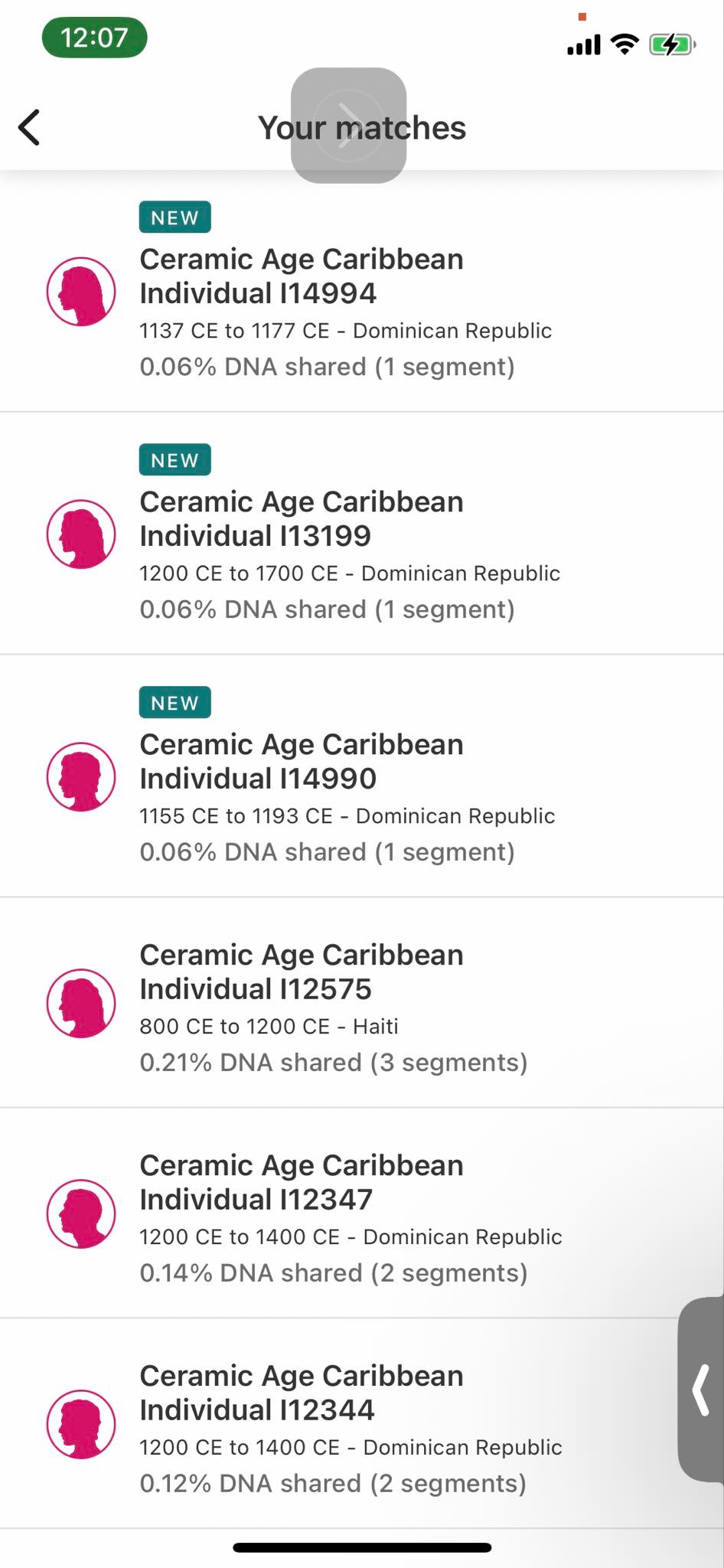
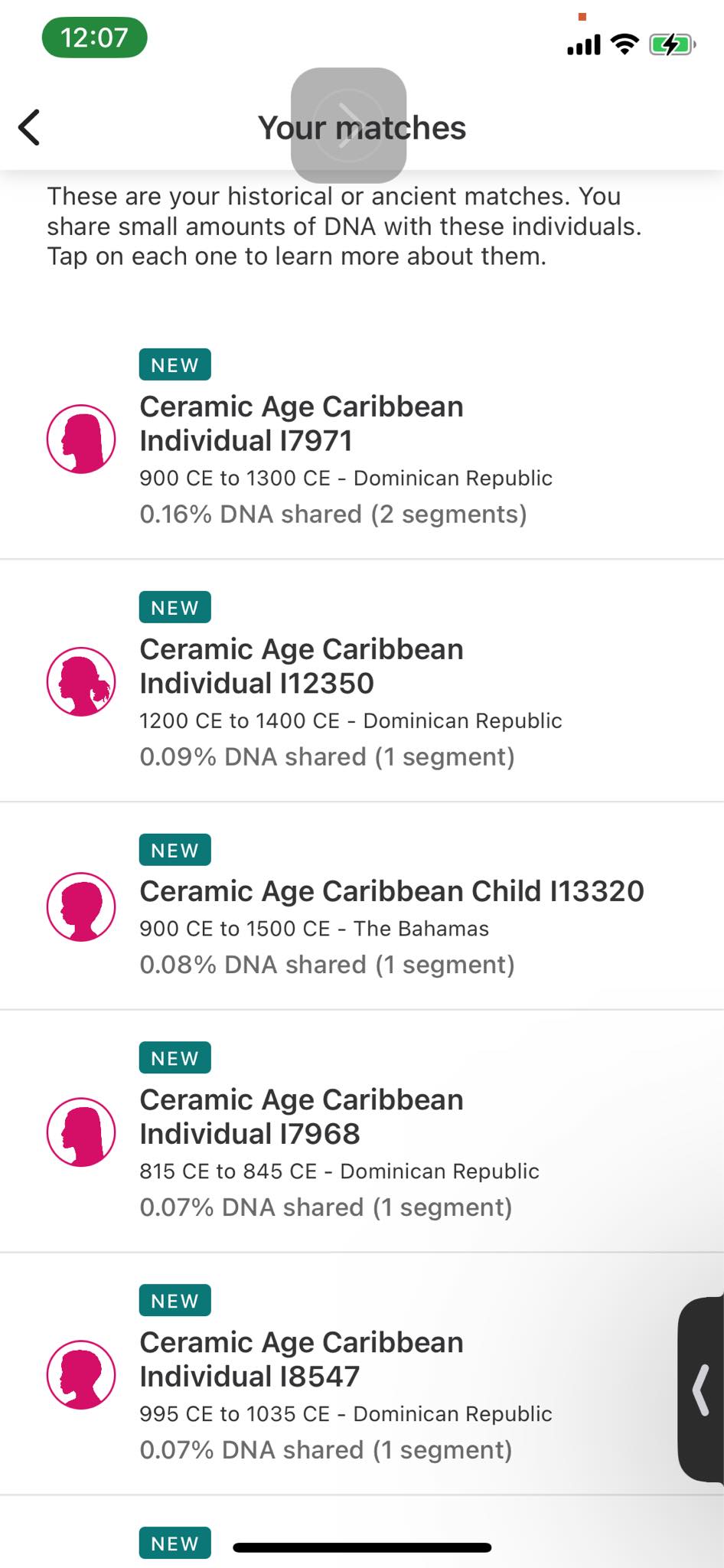
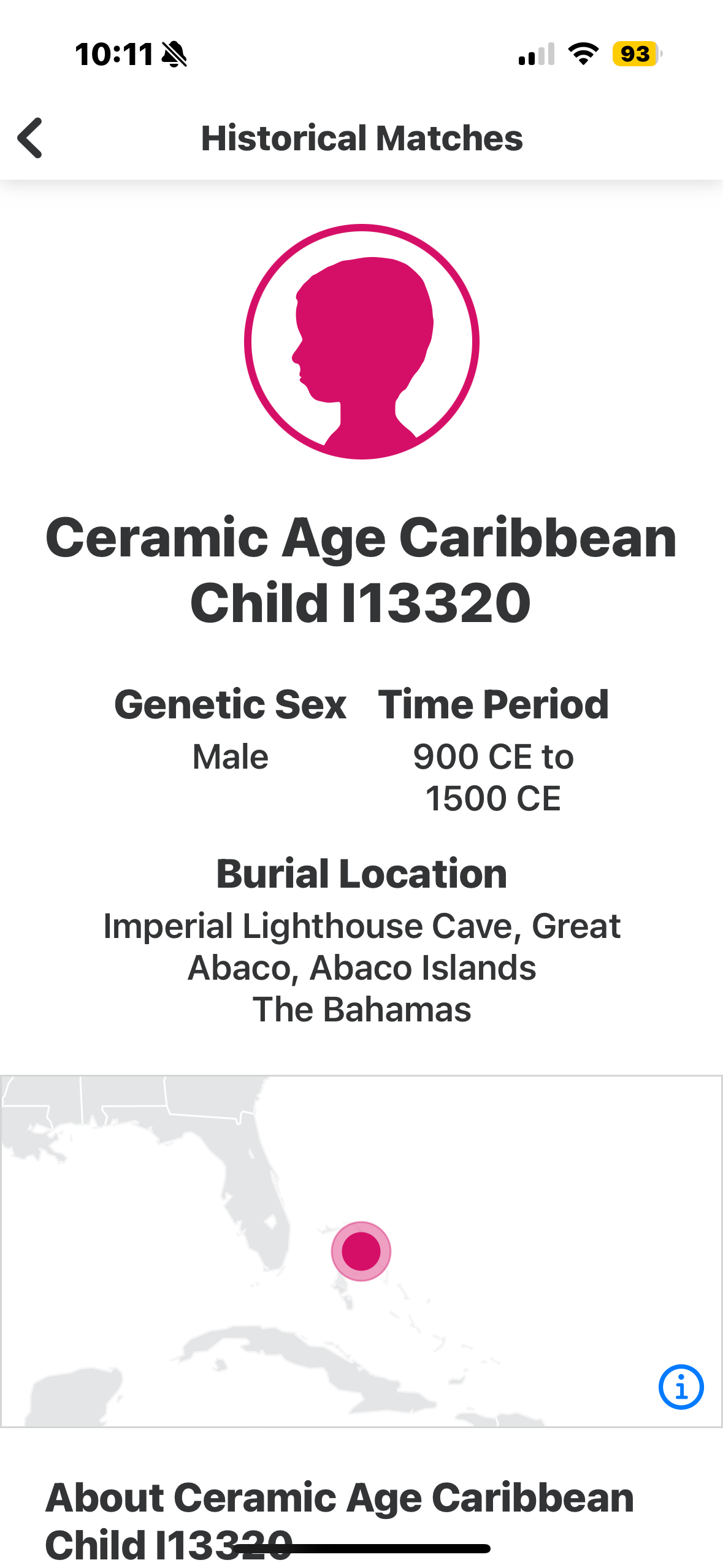
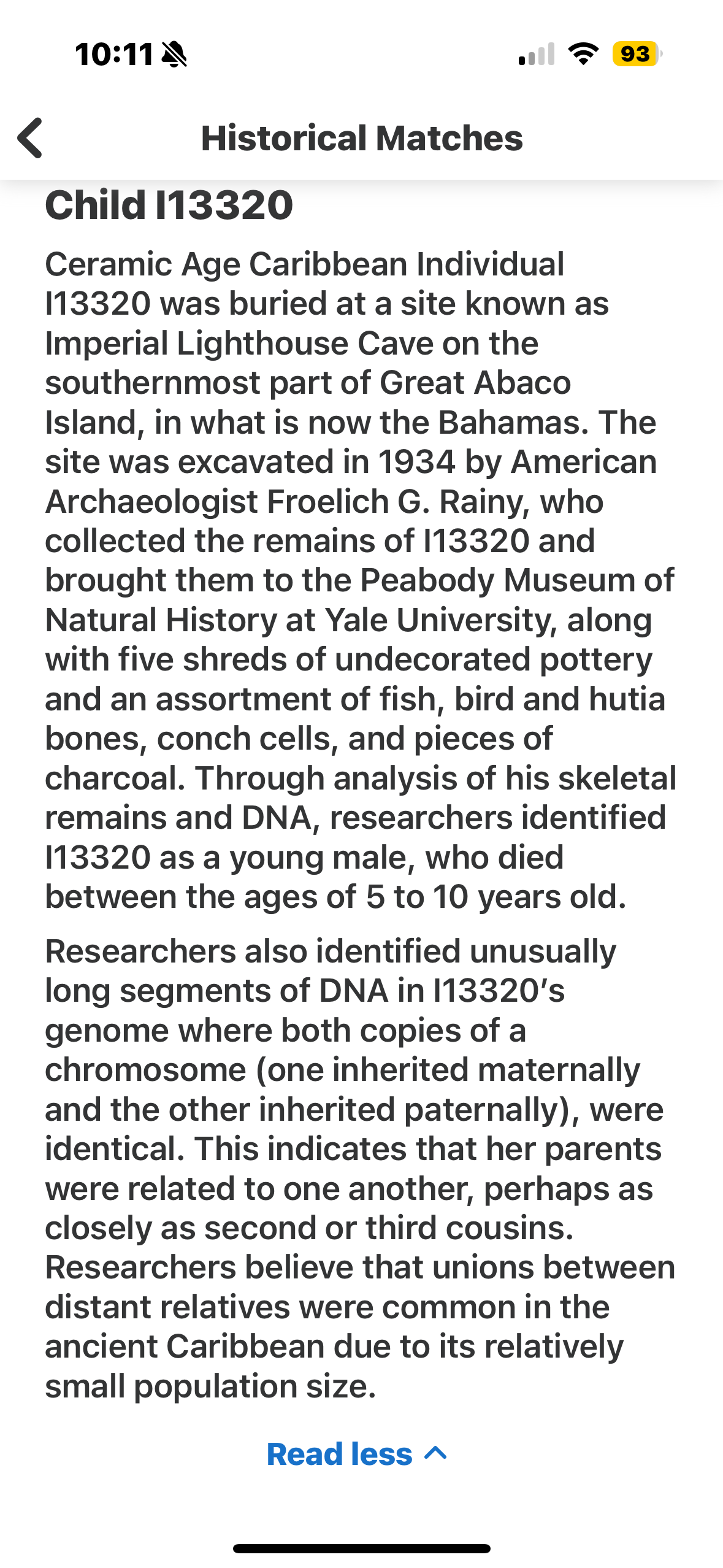
Through 23andMe DNA analysis, I recently became aware of a historical match my mother has to an Indigenous Taíno child from the Great Abaco Islands in the Bahamas. Both of my parents have also received additional ancient DNA matches to Indigenous Caribbean individuals through other genetic testing platforms. Furthermore, there are numerous individuals of Indigenous Caribbean descent today who are closely related via DNA to these ancestral remains, highlighting the ongoing presence and continuity of Indigenous Caribbean lineages. According to 23andMe’s description, “The site was excavated in 1934 by American Archaeologist Froelich G. Rainy, who collected the remains of 113320 and brought them to the Peabody Museum of Natural History at Yale University, along with five shreds of undecorated pottery and an assortment of fish, bird and hutia bones, conch cells, and pieces of charcoal. Through analysis of his skeletal remains and DNA, researchers identified 113320 as a young male, who died between the ages of 5 to 10 years old.”
As an Indigenous person, I find this deeply troubling. In our cultures, the act of burial is a sacred and intentional practice. The locations and manners in which our ancestors are buried hold profound spiritual, cultural, and communal meaning. A deceased person, especially a child, cannot consent to being unearthed or displaced from the land of their origin. Storing these remains in an academic institution, far from community and kin, is a violation of the dignity and respect our ancestors deserve.
Furthermore, this excavation and the continued possession of the child’s remains and associated items appear to be in direct violation of the Native American Graves Protection and Repatriation Act (NAGPRA). The Peabody Museum, as a federally funded institution, is legally required to comply with NAGPRA. This includes maintaining accurate inventories, establishing cultural affiliation, and engaging in meaningful consultation with descendant Indigenous communities to facilitate the repatriation of remains and sacred objects.
The items interred with the child, such as pottery, conch shells, and bones, are not random artifacts. These are associated funerary items, placed intentionally as part of Taíno burial and ceremonial practices. Such items are sacred and should not be handled, studied, or displayed without proper cultural consultation.
It is crucial to recognize that Taíno peoples are still present and thriving today throughout Borikén (Puerto Rico), the U.S. Virgin Islands, the Bahamas, Cuba, Haiti (Ayiti), Jamaica (Yamayeka), Dominican Republic ( Quisqueya) and the broader Caribbean and diaspora. The ongoing disregard for the cultural and spiritual rights of our ancestors reflects a pattern of colonial harm and academic exploitation that must be addressed.
Therefore, we demand the following:
1. Full transparency from the Peabody Museum and all institutions concerning the human remains and sacred objects in their collections that originate from the Caribbean.
2. Immediate and full compliance with NAGPRA and alignment with international human rights and repatriation protocols.
3. Meaningful consultation with Taíno and other Caribbean Indigenous communities, elders, and cultural practitioners regarding the proper return and respectful reburial of these ancestors.
4. An end to the academic and financial exploitation of Caribbean Indigenous remains and sacred cultural items.
Our ancestors are not specimens to be studied. They are not items to be collected or stored away. They were human beings, lovingly buried with intention and reverence. They deserve to rest in peace. Their spirits are calling for justice. As their descendants, we are listening. We are remembering. And we are committed to honoring them with truth and accountability.
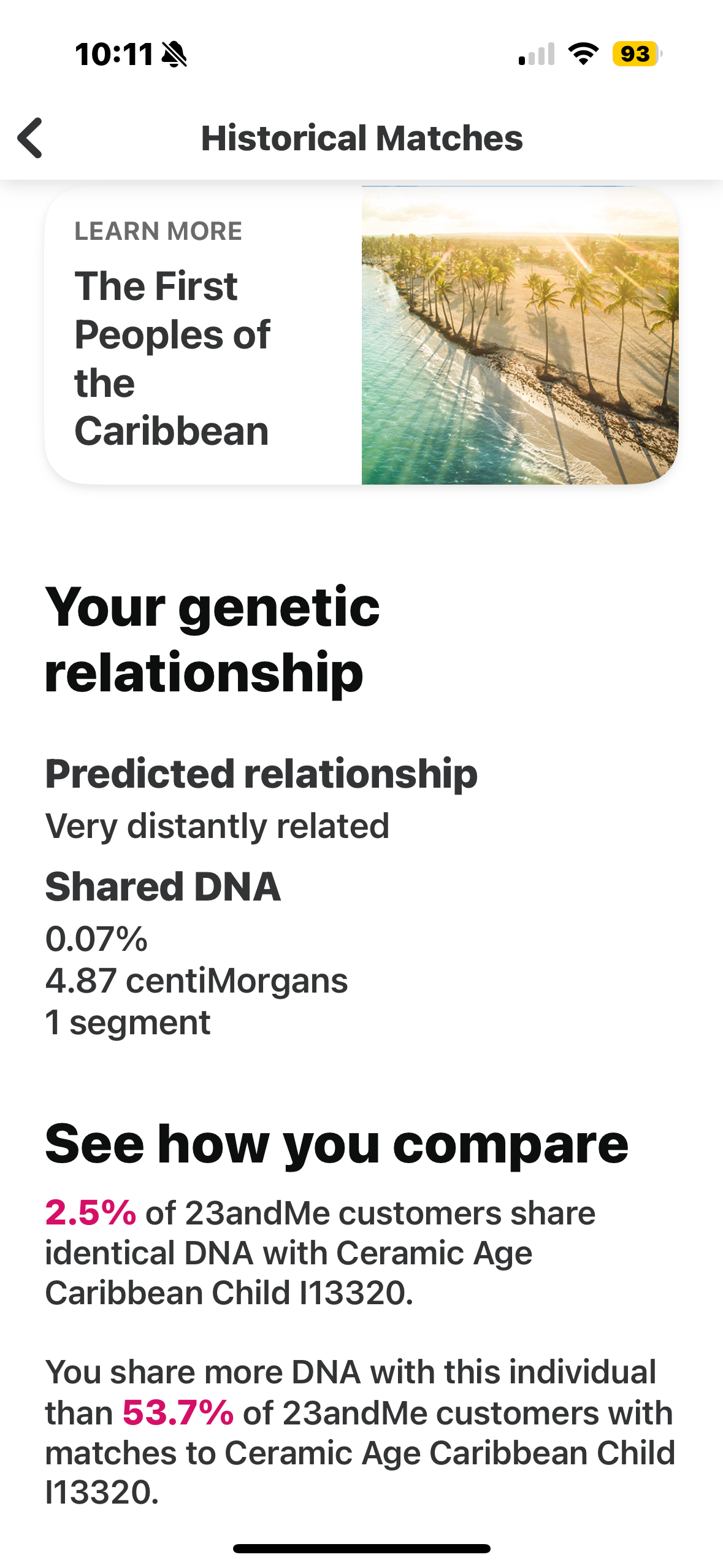
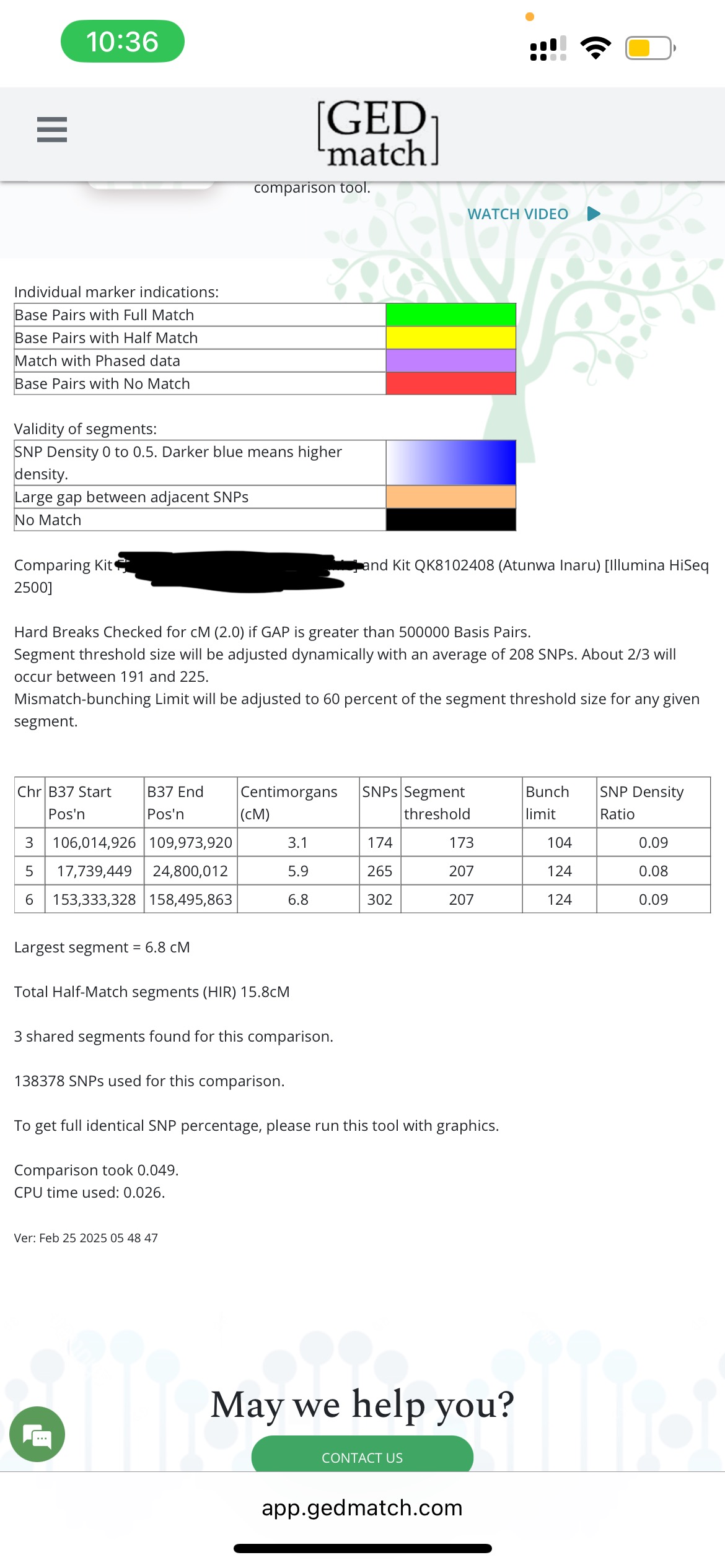
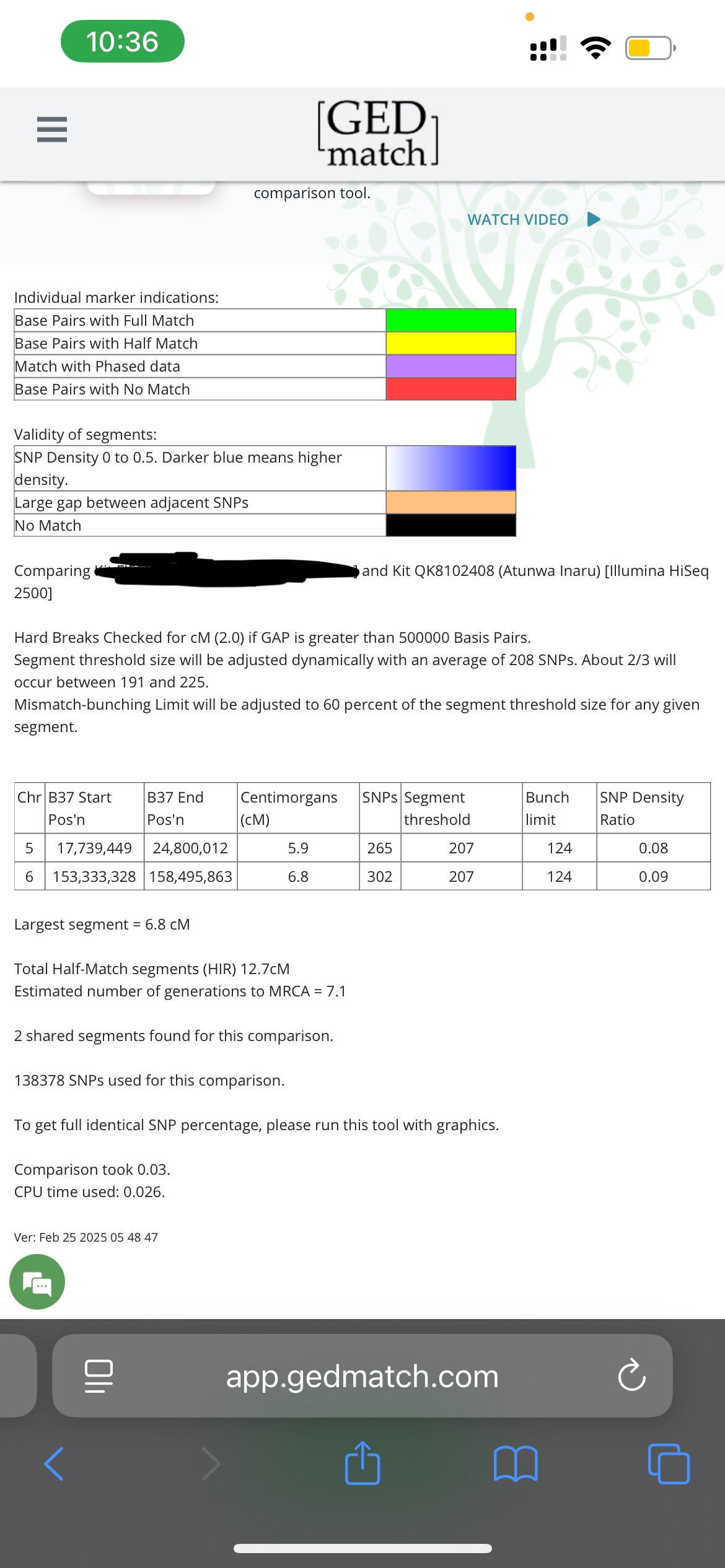
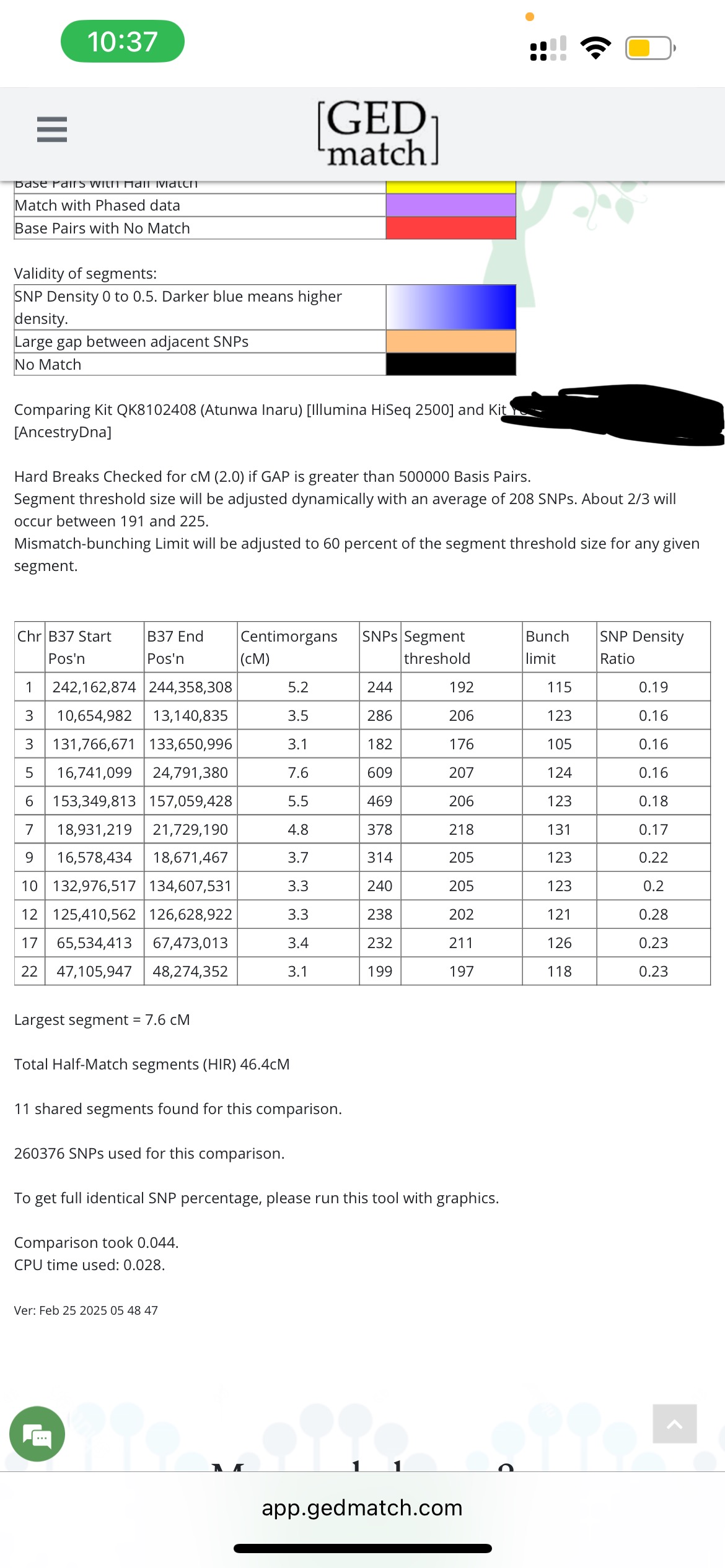
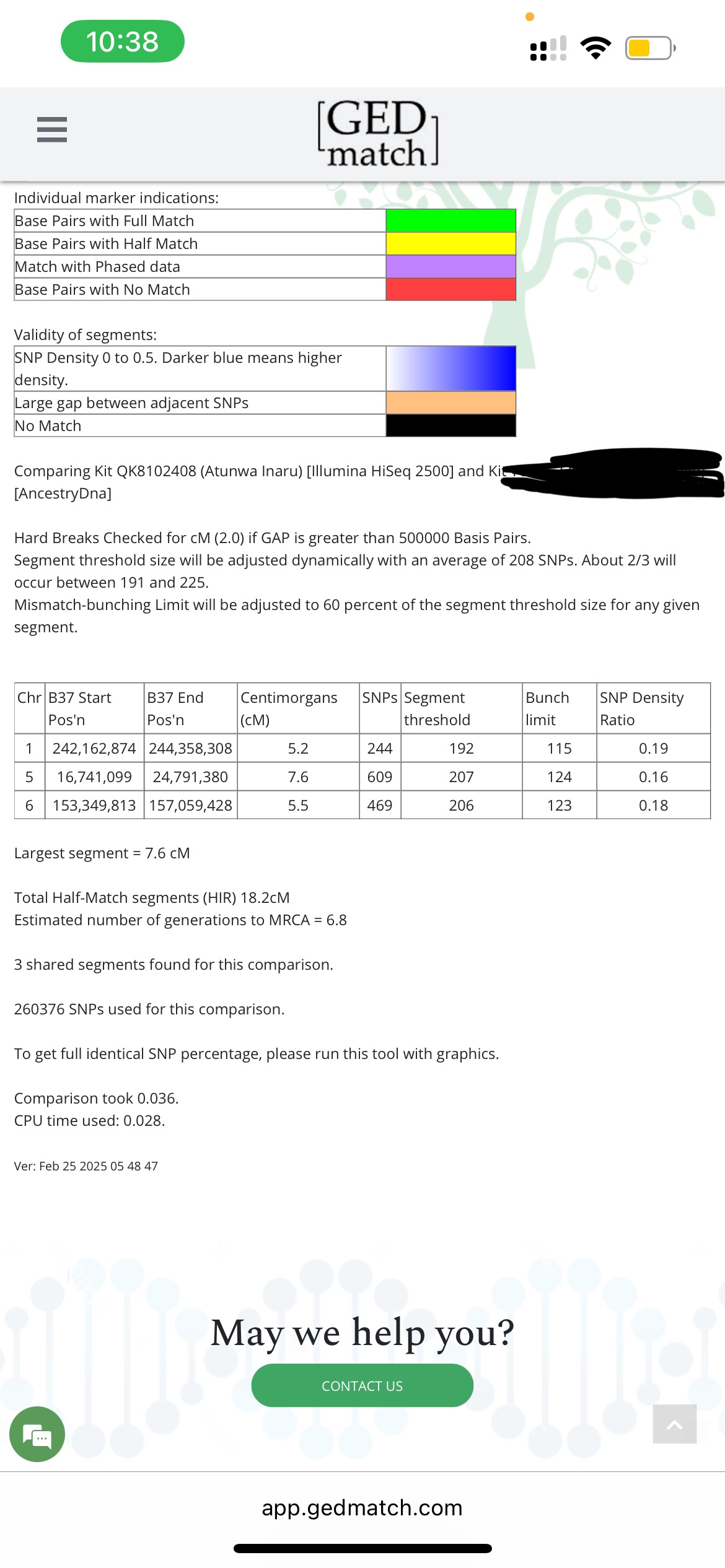
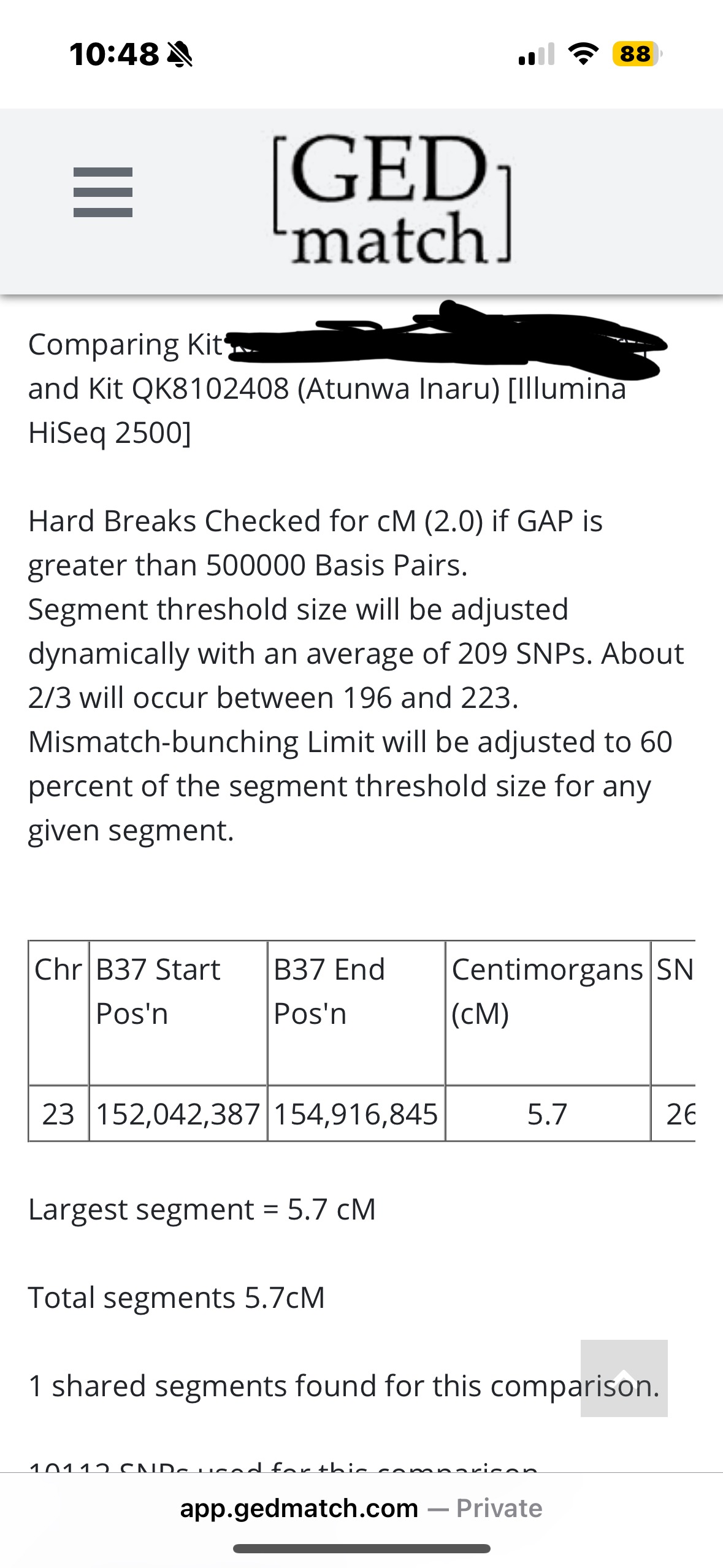
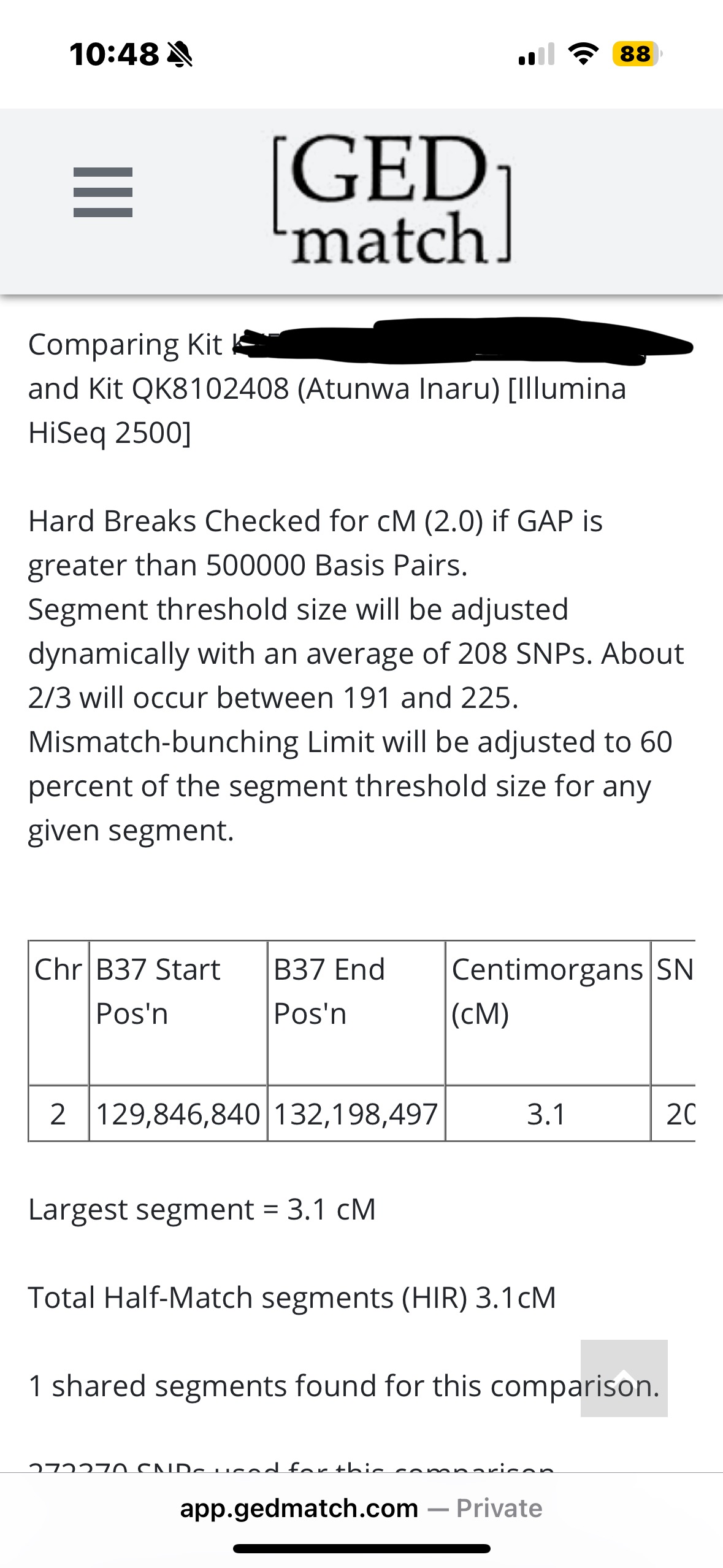
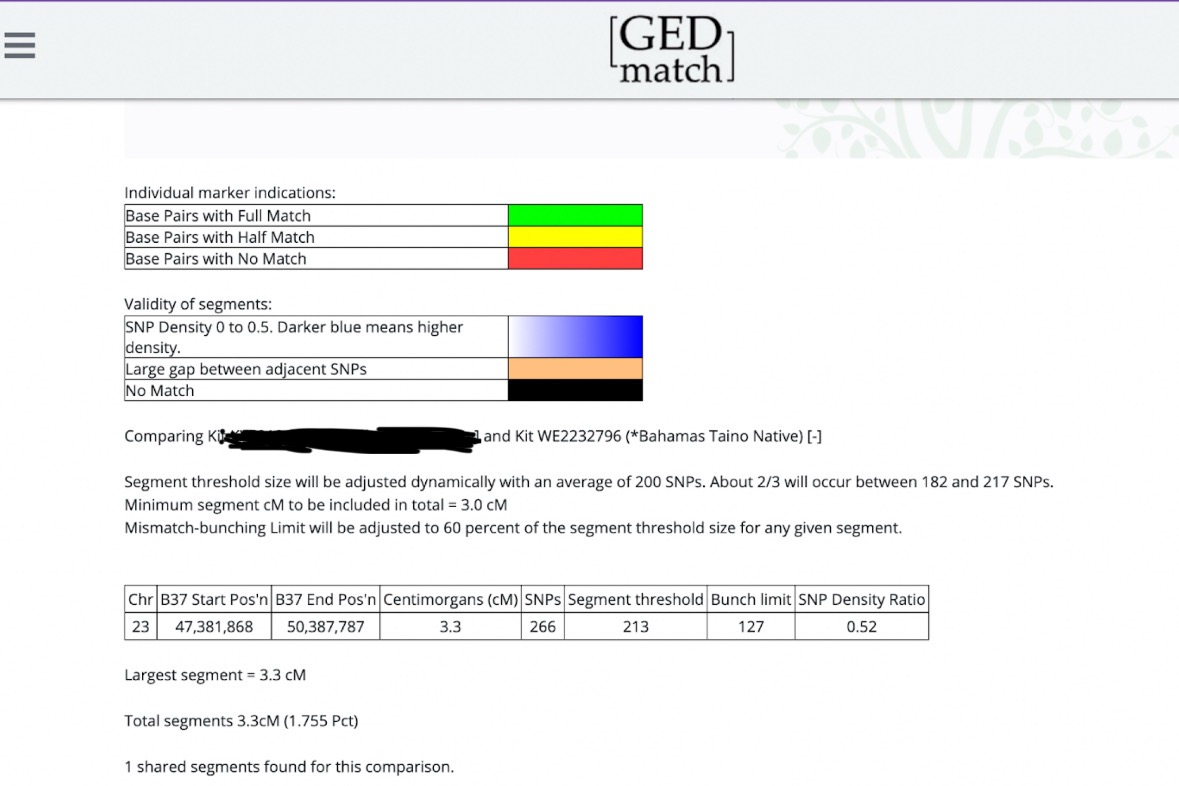
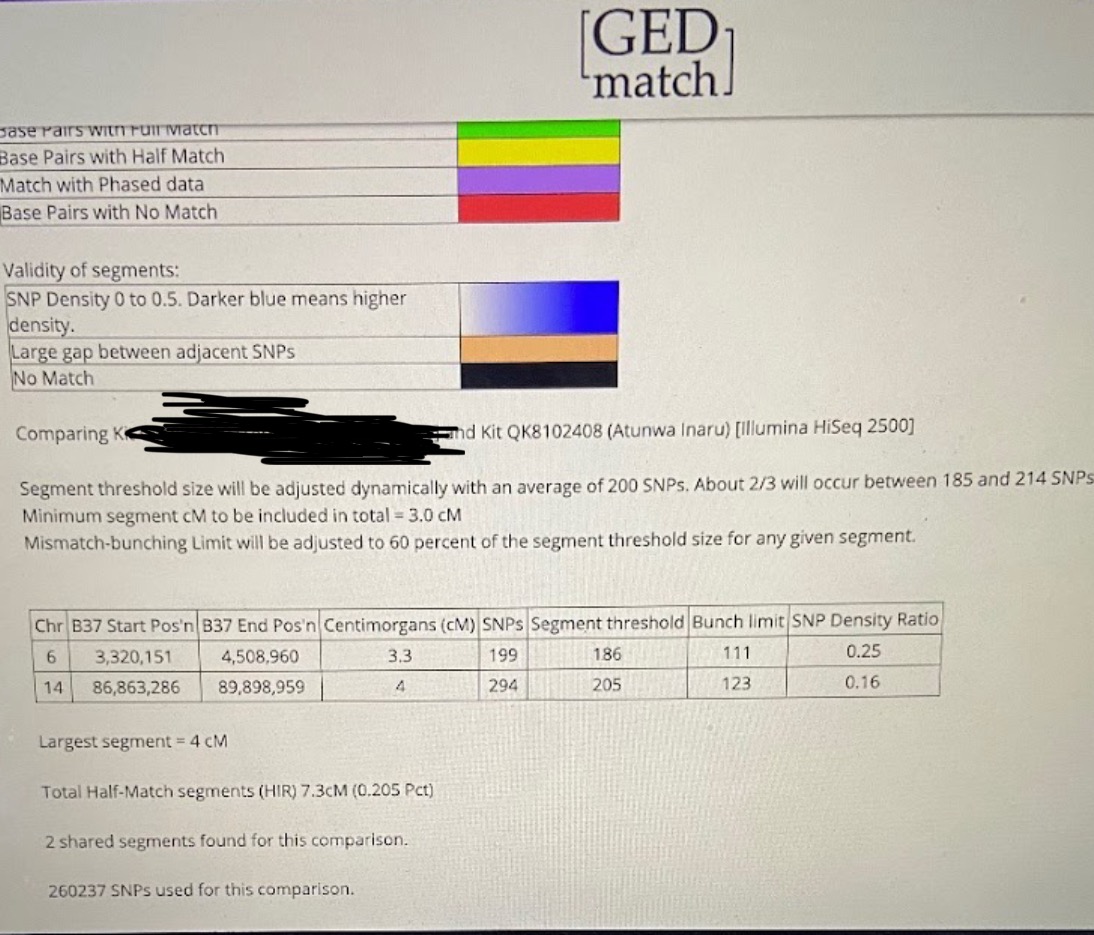
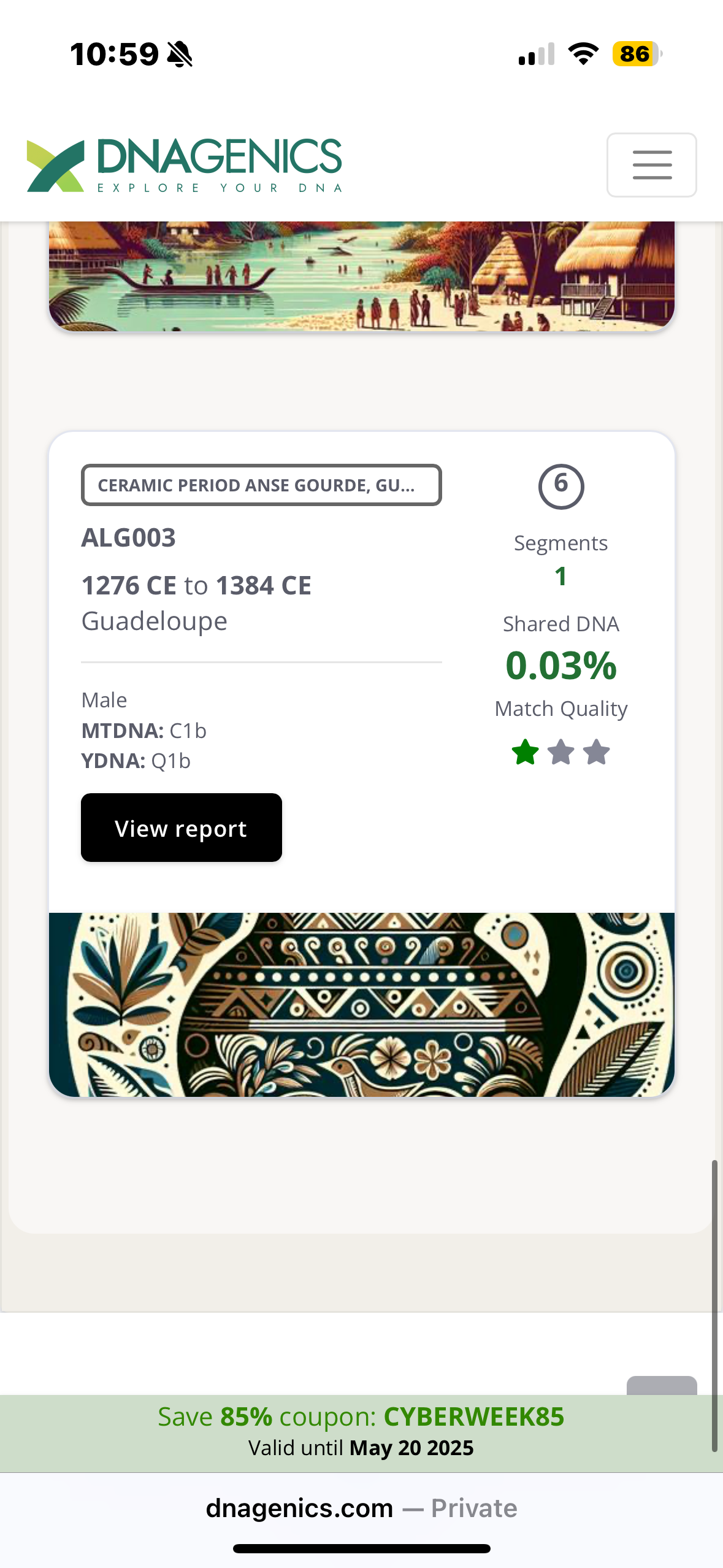
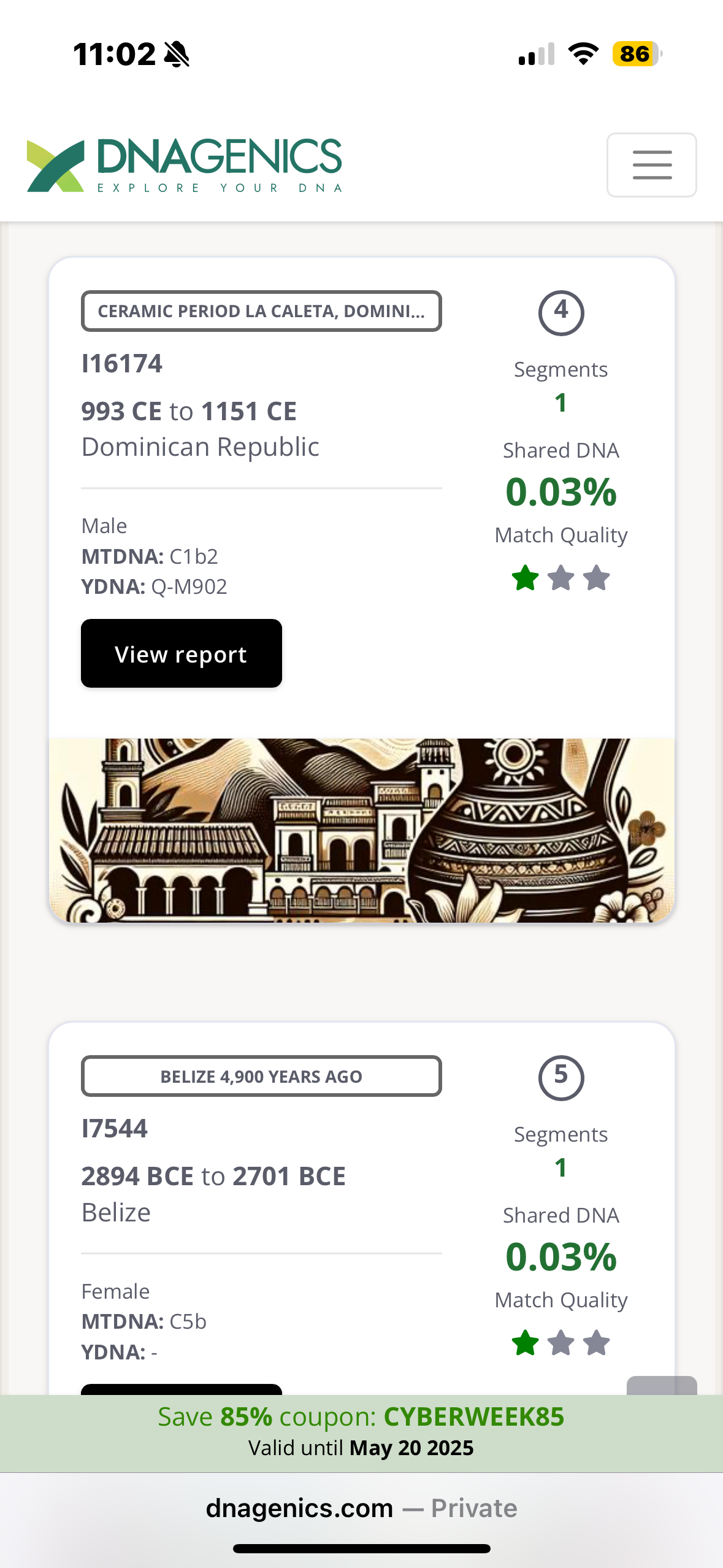
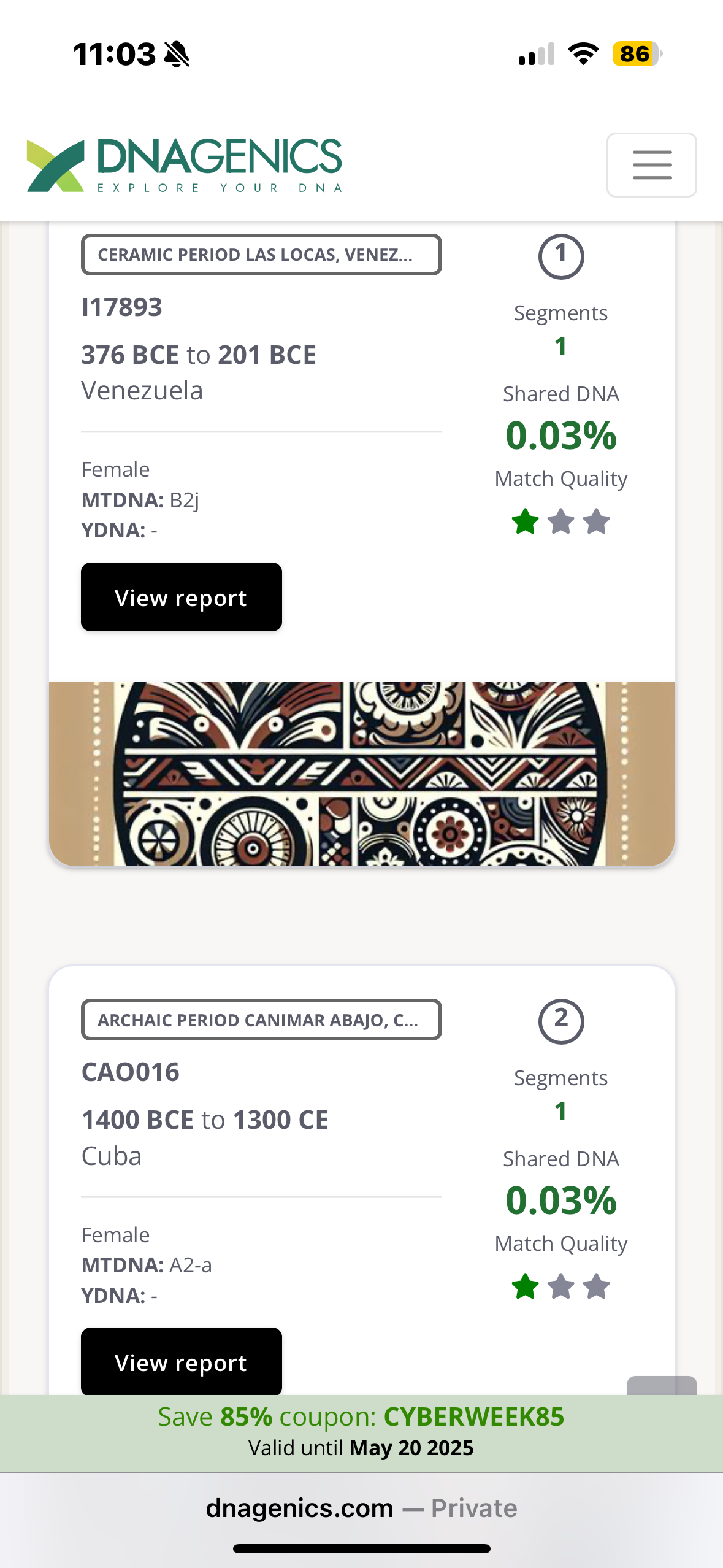
Below, I will provide some screenshots, shared with consent, showing DNA matches between my parents, other Indigenous Taíno individuals and descendants, matching with the remains of the Indigenous Caribbean child from the Bahamas, as well as other ancestral remains of Indigenous Caribbean peoples currently stored in the databases of various DNA testing companies. Kit numbers of living people are not shown for privacy reasons. It is important to emphasize that thousands of Indigenous Caribbean people are alive today who share close genetic connections with the ancient remains of their ancestors. The purpose of presenting DNA evidence is not to support eugenics, blood quantum, or any colonial frameworks, but rather to highlight the enduring kinship and ancestral ties that exist across generations. All individuals referenced have voluntarily undergone DNA testing and have given consent for their results to be shared for this purpose. The inclusion of screenshots serves to affirm the presence of living descendants. The fact that DNA from individuals who lived thousands of years ago can still be traced in their descendants today is a powerful testament to the resilience and continuity of Indigenous Caribbean lineages.
Sincerely,
Jala Simpa Biláhuk (thank you) for your time.

40
The Issue
Me:ku (Hello),
My name is Jala Simpa, also known as Mįyątipi:wa. I am reaching out as an Afro-Indigenous descendant of Taíno peoples with deep concern regarding the treatment of ancestral remains held by academic institutions.
Through 23andMe DNA analysis, I recently became aware of a historical match my mother has to an Indigenous Taíno child from the Great Abaco Islands in the Bahamas. Both of my parents have also received additional ancient DNA matches to Indigenous Caribbean individuals through other genetic testing platforms. Furthermore, there are numerous individuals of Indigenous Caribbean descent today who are closely related via DNA to these ancestral remains, highlighting the ongoing presence and continuity of Indigenous Caribbean lineages. According to 23andMe’s description, “The site was excavated in 1934 by American Archaeologist Froelich G. Rainy, who collected the remains of 113320 and brought them to the Peabody Museum of Natural History at Yale University, along with five shreds of undecorated pottery and an assortment of fish, bird and hutia bones, conch cells, and pieces of charcoal. Through analysis of his skeletal remains and DNA, researchers identified 113320 as a young male, who died between the ages of 5 to 10 years old.”
As an Indigenous person, I find this deeply troubling. In our cultures, the act of burial is a sacred and intentional practice. The locations and manners in which our ancestors are buried hold profound spiritual, cultural, and communal meaning. A deceased person, especially a child, cannot consent to being unearthed or displaced from the land of their origin. Storing these remains in an academic institution, far from community and kin, is a violation of the dignity and respect our ancestors deserve.
Furthermore, this excavation and the continued possession of the child’s remains and associated items appear to be in direct violation of the Native American Graves Protection and Repatriation Act (NAGPRA). The Peabody Museum, as a federally funded institution, is legally required to comply with NAGPRA. This includes maintaining accurate inventories, establishing cultural affiliation, and engaging in meaningful consultation with descendant Indigenous communities to facilitate the repatriation of remains and sacred objects.
The items interred with the child, such as pottery, conch shells, and bones, are not random artifacts. These are associated funerary items, placed intentionally as part of Taíno burial and ceremonial practices. Such items are sacred and should not be handled, studied, or displayed without proper cultural consultation.
It is crucial to recognize that Taíno peoples are still present and thriving today throughout Borikén (Puerto Rico), the U.S. Virgin Islands, the Bahamas, Cuba, Haiti (Ayiti), Jamaica (Yamayeka), Dominican Republic ( Quisqueya) and the broader Caribbean and diaspora. The ongoing disregard for the cultural and spiritual rights of our ancestors reflects a pattern of colonial harm and academic exploitation that must be addressed.
Therefore, we demand the following:
1. Full transparency from the Peabody Museum and all institutions concerning the human remains and sacred objects in their collections that originate from the Caribbean.
2. Immediate and full compliance with NAGPRA and alignment with international human rights and repatriation protocols.
3. Meaningful consultation with Taíno and other Caribbean Indigenous communities, elders, and cultural practitioners regarding the proper return and respectful reburial of these ancestors.
4. An end to the academic and financial exploitation of Caribbean Indigenous remains and sacred cultural items.
Our ancestors are not specimens to be studied. They are not items to be collected or stored away. They were human beings, lovingly buried with intention and reverence. They deserve to rest in peace. Their spirits are calling for justice. As their descendants, we are listening. We are remembering. And we are committed to honoring them with truth and accountability.
Below, I will provide some screenshots, shared with consent, showing DNA matches between my parents, other Indigenous Taíno individuals and descendants, matching with the remains of the Indigenous Caribbean child from the Bahamas, as well as other ancestral remains of Indigenous Caribbean peoples currently stored in the databases of various DNA testing companies. Kit numbers of living people are not shown for privacy reasons. It is important to emphasize that thousands of Indigenous Caribbean people are alive today who share close genetic connections with the ancient remains of their ancestors. The purpose of presenting DNA evidence is not to support eugenics, blood quantum, or any colonial frameworks, but rather to highlight the enduring kinship and ancestral ties that exist across generations. All individuals referenced have voluntarily undergone DNA testing and have given consent for their results to be shared for this purpose. The inclusion of screenshots serves to affirm the presence of living descendants. The fact that DNA from individuals who lived thousands of years ago can still be traced in their descendants today is a powerful testament to the resilience and continuity of Indigenous Caribbean lineages.
Sincerely,
Jala Simpa Biláhuk (thank you) for your time.

Supporter Voices
Petition Updates
Share this petition
Petition created on May 19, 2025