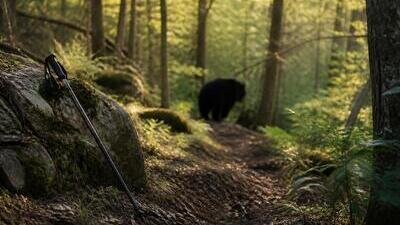
Reform bear management practices in British Columbia
The Issue
I was deeply disturbed by the recent events involving bear management in Whistler, highlighting a concerning discrepancy in the protocol followed by conservation officers. After a hiker suffered minor leg injuries from a bear encounter, authorities decided to kill a random male black bear without conclusive evidence linking it to the incident. The hiker reported seeing two bears, a grizzly and a black bear, yet only the black bear was targeted and killed without any concrete indication of its involvement. https://vancouver.citynews.ca/2026/09/05/bear-attack-whistler/ https://www.facebook.com/share/p/19UvkFChSG/
According to BC Parks this was a grizzly bear incident, not a black bear incident. However, a black bear was shot.
This incident raises serious ethical and procedural questions. Two separate encounter responses should not yield such inconsistent outcomes. Moreover, around the same time, in a different park, a grizzly bear involved in a similar situation, where it injured a hiker when startled by a dog, was allowed to survive. This inconsistent approach needs urgent attention and reform.
The loss of a potentially innocent bear calls for immediate changes in how bear encounter situations are handled. Public education on bear safety, strict evidence-based protocols, and non-lethal management strategies must be prioritized to protect both humans and wildlife.
Bear encounters are a part of British Columbia's natural landscape, and while ensuring human safety is paramount, it is equally crucial to treat wildlife with respect and based on sound evidence. Other regions have successfully implemented educational programs that teach hikers how to coexist with bears, reducing the chances of future conflicts without resorting to lethal outcomes.
The time has come for British Columbia's wildlife authorities to reassess current policies and adopt a more transparent and humane approach. Strategies such as better signage, warning systems, and increased public awareness campaigns could prevent such tragic and unnecessary actions in the future.
Please join me in calling for the government of British Columbia and conservation authorities to establish clearer, more humane policies regarding bear encounters. Let us push for comprehensive education programs and consistency in management practices to protect our wildlife and maintain the delicate balance of our natural ecosystem. Sign this petition to advocate for change and ensure these majestic creatures are not wrongly punished. Together, we can make a difference and reform mishandled procedures.
Bear Attack:
Conservation officers are investigating a bear attack in the backcountry outside Whistler on Friday evening.
At approximately 5 pm, a group of three hikers encountered two bears near Conflict Lake, in the Callaghan Conservancy. A woman was attacked by one of the bears before it disengaged.
The BCCOS Predator Attack Team, alongside #SquamishRCMP and Squamish Search and Rescue members, flew to the site by helicopter.
Officers conducted a safety sweep of the area. One adult male black bear at the attack site was dispatched by conservation officers due to safety concerns.
The victim received first aid on site and was transported via helicopter to hospital, where she received medical attention for non-life-threatening injuries.
Conservation officers are returning to the site today to continue their investigation. At this time, COs are unable to confirm whether a black bear or grizzly bear was involved in the attack.
In collaboration with BC Parks, trail access in the area has been closed and signage is posted. People are asked to respect the closure for their own safety and avoid the area.
The BCCOS would like to thank its law enforcement and emergency responder partners for their assistance. An update will be provided once the BCCOS is in a position to do so.

853
The Issue
I was deeply disturbed by the recent events involving bear management in Whistler, highlighting a concerning discrepancy in the protocol followed by conservation officers. After a hiker suffered minor leg injuries from a bear encounter, authorities decided to kill a random male black bear without conclusive evidence linking it to the incident. The hiker reported seeing two bears, a grizzly and a black bear, yet only the black bear was targeted and killed without any concrete indication of its involvement. https://vancouver.citynews.ca/2026/09/05/bear-attack-whistler/ https://www.facebook.com/share/p/19UvkFChSG/
According to BC Parks this was a grizzly bear incident, not a black bear incident. However, a black bear was shot.
This incident raises serious ethical and procedural questions. Two separate encounter responses should not yield such inconsistent outcomes. Moreover, around the same time, in a different park, a grizzly bear involved in a similar situation, where it injured a hiker when startled by a dog, was allowed to survive. This inconsistent approach needs urgent attention and reform.
The loss of a potentially innocent bear calls for immediate changes in how bear encounter situations are handled. Public education on bear safety, strict evidence-based protocols, and non-lethal management strategies must be prioritized to protect both humans and wildlife.
Bear encounters are a part of British Columbia's natural landscape, and while ensuring human safety is paramount, it is equally crucial to treat wildlife with respect and based on sound evidence. Other regions have successfully implemented educational programs that teach hikers how to coexist with bears, reducing the chances of future conflicts without resorting to lethal outcomes.
The time has come for British Columbia's wildlife authorities to reassess current policies and adopt a more transparent and humane approach. Strategies such as better signage, warning systems, and increased public awareness campaigns could prevent such tragic and unnecessary actions in the future.
Please join me in calling for the government of British Columbia and conservation authorities to establish clearer, more humane policies regarding bear encounters. Let us push for comprehensive education programs and consistency in management practices to protect our wildlife and maintain the delicate balance of our natural ecosystem. Sign this petition to advocate for change and ensure these majestic creatures are not wrongly punished. Together, we can make a difference and reform mishandled procedures.
Bear Attack:
Conservation officers are investigating a bear attack in the backcountry outside Whistler on Friday evening.
At approximately 5 pm, a group of three hikers encountered two bears near Conflict Lake, in the Callaghan Conservancy. A woman was attacked by one of the bears before it disengaged.
The BCCOS Predator Attack Team, alongside #SquamishRCMP and Squamish Search and Rescue members, flew to the site by helicopter.
Officers conducted a safety sweep of the area. One adult male black bear at the attack site was dispatched by conservation officers due to safety concerns.
The victim received first aid on site and was transported via helicopter to hospital, where she received medical attention for non-life-threatening injuries.
Conservation officers are returning to the site today to continue their investigation. At this time, COs are unable to confirm whether a black bear or grizzly bear was involved in the attack.
In collaboration with BC Parks, trail access in the area has been closed and signage is posted. People are asked to respect the closure for their own safety and avoid the area.
The BCCOS would like to thank its law enforcement and emergency responder partners for their assistance. An update will be provided once the BCCOS is in a position to do so.
The Decision Makers

Supporter Voices
Petition Updates
Share this petition
Petition created on September 6, 2026