Protecting Animals with Watchful Safeguards Act
The Issue
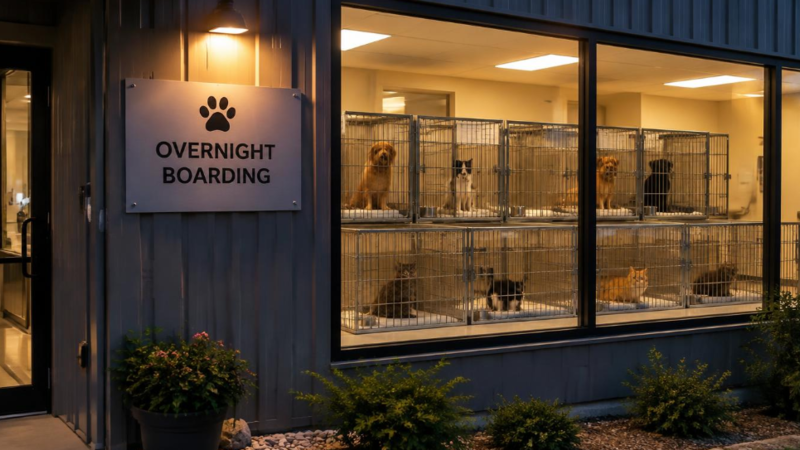
In Nevada, the hours when no one is watching are fraught with danger for our beloved pets locked away in commercial boarding facilities. These places, where we trust our furry family members to be safe and sound while we're away, can become perilous once the doors close for the night. Without a trained person on the premises, dogs and cats are left alone, vulnerable and helpless in their cages until morning. This is why we are advocating for PAWS, a proposed law in Nevada that aims to require every commercial animal boarding facility to have a trained person awake and on duty all night long.
Our pets deserve better. They trust us to ensure their safety, yet current practices leave them without oversight in critical situations. Consider the catastrophic outcomes that could arise if a fire were to break out, a heating system were to fail during a cold night, or a pet were to experience a medical emergency. During these dangerous hours, disasters can strike, and without immediate human intervention, the consequences can be irreversible.
It has already happened in Nevada
These are real, publicly reported Nevada cases. When a facility sits closed and unstaffed, there is no one there when minutes matter.
Las Vegas — March 2008
Paradise Pet Hospital fire kills 16 animals overnight
A fire broke out at Paradise Pet Hospital around midnight on Easter weekend. Thirteen boarded and hospitalized pets — Caesar, Carmac, Dojah, Jack, Jaguar, Manga, Martini, Pebbles, Rascal, Scottie, Shatzie, Spirit, and Willow — plus three clinic cats were inside. The building burned completely and every animal died. No one was on the premises.
Las Vegas — August 2025
Fire inside a closed pet facility at 2 a.m.
Las Vegas Fire & Rescue responded just before 2 a.m. to heavy smoke inside NV Pet Hospice near Rancho Drive and Cheyenne Avenue. Firefighters traced it to an oven and put it out — but the building was closed and unstaffed, and only a passerby's report stood between that fire and a much worse outcome.
Las Vegas — June 2023
Nico dies within an hour at a boarding facility
A healthy 2-year-old dog named Nico was dropped off at Doggie District Silverado. Within an hour, staff found him unresponsive in his room; he could not be saved. His owners suspect heat stroke. When no one is watching closely, a dog in distress can be missed until it is too late.
PAWS is not a luxury; it is a necessity for the welfare of these animals. With the law requiring human presence during nighttime hours, we can prevent tragedies and offer peace of mind to pet owners entrusting their animals to these facilities. The implementation of PAWS is both reasonable and crucial, as it would ensure that at least one trained professional is always present to monitor and act when emergencies arise.
Moreover, this law would hold boarding facilities to higher standards of animal care, reinforcing Nevada's commitment to leading with compassion and responsibility. We already require similar standards for child care facilities, recognizing the vulnerabilities that exist during the night. Our pets, too, are worthy of such protections.
PAWS would require:
A person physically present all night
At least one trained attendant must physically be on the premises and awake during every overnight period or any hours that the premises is closed. Any type of cameras, on-call persons that are off-site, or an unattended alarm do not count.
Hands-on checks every two hours
Every boarded dog and cat is physically checked at least every two hours — breathing, responsiveness, signs of injury or distress, water, and housing temperature.
Trained, equipped, and authorized
Attendants are trained to recognize distress, handle animals, perform first aid and CPR, and evacuate — and can call for emergency veterinary care immediately, without waiting for management approval.
Working smoke and temperature alarms
Facilities must have functioning smoke detection and temperature monitoring with alarms that reach the on-site attendant, tested and documented every month.
A written emergency plan
Every facility keeps a written plan for fire, power or cooling failure, dangerous temperatures, serious illness or injury, escape, and evacuation — with a reachable emergency vet identified.
Records and honest disclosure
Check logs, staff schedules, training records and incident reports are kept for two years. Before accepting your animal, the facility must tell you in writing how it staffs overnight and handles emergencies.
What it means for your fur baby
When you travel, you trust a boarding facility with a member of your family. You expect them to be fed, safe, and comfortable. What you don't expect is that the building may sit empty all night with no one there to notice if your animal is in trouble.
Under PAWS, a trained person is in the building with your dog or cat all night. They walk past every cage at least every two hours. They can spot labored breathing, bloat, panic, or injury — and they are authorized to get your animal to an emergency vet immediately instead of waiting for a manager to answer a phone.
If the worst happens — a fire, a power failure in summer heat, an escape — there is a written plan and a person on-site to carry it out. And if your animal is seriously hurt, you are notified promptly, with the incident documented.
In short: no more nights where the only thing standing between your animal and an emergency is an empty building.
To see this change enacted, we need your support. By signing this petition, you are advocating for a change that could save lives and set a precedent for how animal boarding facilities operate not only in Nevada but nationwide. Stand with us and ensure that no animal is left alone in the dark, unable to receive help when they need it the most. Please sign to show your support for the PAWS legislation and help us spread the word about the vital importance of nighttime care in boarding facilities.
VISIT https://nevadaanimaladvocates.org/paws FOR MORE INFORMATION

123
The Issue
In Nevada, the hours when no one is watching are fraught with danger for our beloved pets locked away in commercial boarding facilities. These places, where we trust our furry family members to be safe and sound while we're away, can become perilous once the doors close for the night. Without a trained person on the premises, dogs and cats are left alone, vulnerable and helpless in their cages until morning. This is why we are advocating for PAWS, a proposed law in Nevada that aims to require every commercial animal boarding facility to have a trained person awake and on duty all night long.
Our pets deserve better. They trust us to ensure their safety, yet current practices leave them without oversight in critical situations. Consider the catastrophic outcomes that could arise if a fire were to break out, a heating system were to fail during a cold night, or a pet were to experience a medical emergency. During these dangerous hours, disasters can strike, and without immediate human intervention, the consequences can be irreversible.
It has already happened in Nevada
These are real, publicly reported Nevada cases. When a facility sits closed and unstaffed, there is no one there when minutes matter.
Las Vegas — March 2008
Paradise Pet Hospital fire kills 16 animals overnight
A fire broke out at Paradise Pet Hospital around midnight on Easter weekend. Thirteen boarded and hospitalized pets — Caesar, Carmac, Dojah, Jack, Jaguar, Manga, Martini, Pebbles, Rascal, Scottie, Shatzie, Spirit, and Willow — plus three clinic cats were inside. The building burned completely and every animal died. No one was on the premises.
Las Vegas — August 2025
Fire inside a closed pet facility at 2 a.m.
Las Vegas Fire & Rescue responded just before 2 a.m. to heavy smoke inside NV Pet Hospice near Rancho Drive and Cheyenne Avenue. Firefighters traced it to an oven and put it out — but the building was closed and unstaffed, and only a passerby's report stood between that fire and a much worse outcome.
Las Vegas — June 2023
Nico dies within an hour at a boarding facility
A healthy 2-year-old dog named Nico was dropped off at Doggie District Silverado. Within an hour, staff found him unresponsive in his room; he could not be saved. His owners suspect heat stroke. When no one is watching closely, a dog in distress can be missed until it is too late.
PAWS is not a luxury; it is a necessity for the welfare of these animals. With the law requiring human presence during nighttime hours, we can prevent tragedies and offer peace of mind to pet owners entrusting their animals to these facilities. The implementation of PAWS is both reasonable and crucial, as it would ensure that at least one trained professional is always present to monitor and act when emergencies arise.
Moreover, this law would hold boarding facilities to higher standards of animal care, reinforcing Nevada's commitment to leading with compassion and responsibility. We already require similar standards for child care facilities, recognizing the vulnerabilities that exist during the night. Our pets, too, are worthy of such protections.
PAWS would require:
A person physically present all night
At least one trained attendant must physically be on the premises and awake during every overnight period or any hours that the premises is closed. Any type of cameras, on-call persons that are off-site, or an unattended alarm do not count.
Hands-on checks every two hours
Every boarded dog and cat is physically checked at least every two hours — breathing, responsiveness, signs of injury or distress, water, and housing temperature.
Trained, equipped, and authorized
Attendants are trained to recognize distress, handle animals, perform first aid and CPR, and evacuate — and can call for emergency veterinary care immediately, without waiting for management approval.
Working smoke and temperature alarms
Facilities must have functioning smoke detection and temperature monitoring with alarms that reach the on-site attendant, tested and documented every month.
A written emergency plan
Every facility keeps a written plan for fire, power or cooling failure, dangerous temperatures, serious illness or injury, escape, and evacuation — with a reachable emergency vet identified.
Records and honest disclosure
Check logs, staff schedules, training records and incident reports are kept for two years. Before accepting your animal, the facility must tell you in writing how it staffs overnight and handles emergencies.
What it means for your fur baby
When you travel, you trust a boarding facility with a member of your family. You expect them to be fed, safe, and comfortable. What you don't expect is that the building may sit empty all night with no one there to notice if your animal is in trouble.
Under PAWS, a trained person is in the building with your dog or cat all night. They walk past every cage at least every two hours. They can spot labored breathing, bloat, panic, or injury — and they are authorized to get your animal to an emergency vet immediately instead of waiting for a manager to answer a phone.
If the worst happens — a fire, a power failure in summer heat, an escape — there is a written plan and a person on-site to carry it out. And if your animal is seriously hurt, you are notified promptly, with the incident documented.
In short: no more nights where the only thing standing between your animal and an emergency is an empty building.
To see this change enacted, we need your support. By signing this petition, you are advocating for a change that could save lives and set a precedent for how animal boarding facilities operate not only in Nevada but nationwide. Stand with us and ensure that no animal is left alone in the dark, unable to receive help when they need it the most. Please sign to show your support for the PAWS legislation and help us spread the word about the vital importance of nighttime care in boarding facilities.
VISIT https://nevadaanimaladvocates.org/paws FOR MORE INFORMATION
The Decision Makers

Supporter Voices
Petition Updates
Share this petition
Petition created on October 12, 2026