Protect Public Health: Ban Toxic Air Fresheners in Ride-Share Vehicles
The Issue
As leading transportation companies, Uber and Lyft provide essential services to millions of people every day, including children, the elderly, pregnant women, and individuals with health conditions. However, many ride-share vehicles contain air fresheners that emit harmful toxins, such as volatile organic compounds (VOCs), phthalates, and formaldehyde. These substances have been linked to serious health issues, including respiratory problems, hormonal disruptions, migraines, and worsened asthma symptoms. For vulnerable passengers, exposure to these toxins can have particularly harmful effects. Despite these risks, drivers commonly use air fresheners in vehicles to mask odors, unaware of the health impacts.
The Problem:
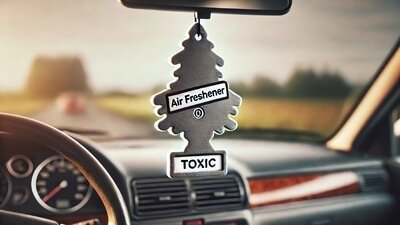
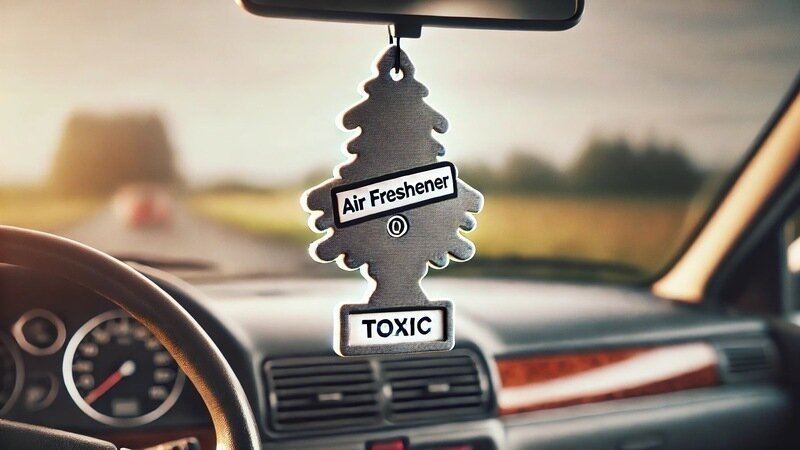
Studies have shown that the chemicals present in many air fresheners, including popular products shaped like Christmas trees, can release pollutants into the air, compromising the health of drivers and passengers alike.
Air fresheners are known to emit a range of volatile organic compounds (VOCs), a class of chemicals that can easily evaporate at room temperature and contribute to indoor air pollution. Common VOCs in air fresheners include benzene, formaldehyde, and acetaldehyde, all of which have recognized health risks. Benzene, classified as a Group 1 carcinogen by the International Agency for Research on Cancer (IARC), has been associated with increased risks of leukemia and other blood disorders upon prolonged exposure. Formaldehyde, another carcinogenic VOC, has been shown to cause cancer in the nasal cavity, particularly with repeated inhalation exposure. These VOCs can cause immediate effects like eye, nose, and throat irritation, respiratory issues, and headaches. In enclosed spaces, such as vehicles, the concentration of VOCs can increase quickly, potentially reaching levels that exceed recommended safety limits and posing a significant health risk.
Phthalates are another group of chemicals frequently found in air fresheners, primarily used to stabilize fragrance compounds and extend product shelf life. Classified as endocrine-disrupting chemicals (EDCs), phthalates interfere with the body’s hormonal balance by mimicking or blocking natural hormones. Research has linked phthalate exposure to reproductive health issues, such as reduced sperm quality, fertility problems, and developmental delays in children. Phthalates are particularly concerning for vulnerable populations, such as pregnant women and young children, due to their potential to interfere with the developing endocrine system, leading to lifelong impacts. When inhaled, phthalates are absorbed into the bloodstream and have been found to accumulate over time, heightening the risk of chronic health effects.
In addition to phthalates and VOCs, many air fresheners contain synthetic musks and aldehydes, which serve as fragrance enhancers but pose respiratory and immune system risks. Aldehydes, such as acetaldehyde and benzaldehyde, can trigger inflammatory responses in the respiratory tract and exacerbate asthma symptoms. Acetaldehyde, in particular, has been shown to impair lung function and has been linked to an increased risk of asthma and chronic bronchitis in those with prolonged exposure. Synthetic musks, on the other hand, are known to bioaccumulate, meaning they persist in human tissues and can disrupt cellular processes over time. Studies indicate that synthetic musks can interfere with liver enzyme activity, potentially impacting the body’s ability to metabolize other chemicals and increasing vulnerability to toxic exposures.
The cumulative effect of these chemicals underscores the need for stringent regulation and safer alternatives to traditional air fresheners, especially in high-exposure environments like ride-share vehicles, where passengers and drivers alike may experience elevated health risks from frequent, unintentional inhalation of these compounds.
Our Demand:
We urge Uber and Lyft to take responsibility for the safety of passengers and drivers by implementing the following measures:
Provide a “Fragrance-Free Ride” option that allows passengers to request a vehicle without artificial harmful scents.
Discourage or ban the use of air fresheners containing harmful chemicals and offer guidance on safer, non-toxic alternatives.
Institute clear guidelines on air freshener usage, emphasizing natural and non-toxic options to maintain vehicle freshness without compromising health.
Why This Matters:
Millions of individuals rely on Uber and Lyft for daily transportation. This includes many elderly individuals, young children, and people with pre-existing health conditions who are especially susceptible to airborne toxins. Protecting public health should be a priority, and passengers should not be exposed to dangerous chemicals during their ride.
In today’s society, the burden of making healthy choices often falls on individuals—whether it’s choosing cleaner products for our homes or staying informed about hidden toxins in everyday items. But there are limits to what each of us can control, especially in shared spaces like ride-share vehicles where we have no say in the environment. That’s why it’s essential for companies like Uber and Lyft to step up and implement health-conscious standards that protect everyone who uses their services.
Sign the Petition
By signing this petition, you’re joining a community of people who believe that safe transportation should be accessible to all and that corporations have a responsibility to protect public health. We have the power to ask Uber and Lyft to take this important step toward a healthier future. Let’s encourage them to lead the industry in prioritizing safe, non-toxic environments in every ride.
31
The Issue
As leading transportation companies, Uber and Lyft provide essential services to millions of people every day, including children, the elderly, pregnant women, and individuals with health conditions. However, many ride-share vehicles contain air fresheners that emit harmful toxins, such as volatile organic compounds (VOCs), phthalates, and formaldehyde. These substances have been linked to serious health issues, including respiratory problems, hormonal disruptions, migraines, and worsened asthma symptoms. For vulnerable passengers, exposure to these toxins can have particularly harmful effects. Despite these risks, drivers commonly use air fresheners in vehicles to mask odors, unaware of the health impacts.
The Problem:
Studies have shown that the chemicals present in many air fresheners, including popular products shaped like Christmas trees, can release pollutants into the air, compromising the health of drivers and passengers alike.
Air fresheners are known to emit a range of volatile organic compounds (VOCs), a class of chemicals that can easily evaporate at room temperature and contribute to indoor air pollution. Common VOCs in air fresheners include benzene, formaldehyde, and acetaldehyde, all of which have recognized health risks. Benzene, classified as a Group 1 carcinogen by the International Agency for Research on Cancer (IARC), has been associated with increased risks of leukemia and other blood disorders upon prolonged exposure. Formaldehyde, another carcinogenic VOC, has been shown to cause cancer in the nasal cavity, particularly with repeated inhalation exposure. These VOCs can cause immediate effects like eye, nose, and throat irritation, respiratory issues, and headaches. In enclosed spaces, such as vehicles, the concentration of VOCs can increase quickly, potentially reaching levels that exceed recommended safety limits and posing a significant health risk.
Phthalates are another group of chemicals frequently found in air fresheners, primarily used to stabilize fragrance compounds and extend product shelf life. Classified as endocrine-disrupting chemicals (EDCs), phthalates interfere with the body’s hormonal balance by mimicking or blocking natural hormones. Research has linked phthalate exposure to reproductive health issues, such as reduced sperm quality, fertility problems, and developmental delays in children. Phthalates are particularly concerning for vulnerable populations, such as pregnant women and young children, due to their potential to interfere with the developing endocrine system, leading to lifelong impacts. When inhaled, phthalates are absorbed into the bloodstream and have been found to accumulate over time, heightening the risk of chronic health effects.
In addition to phthalates and VOCs, many air fresheners contain synthetic musks and aldehydes, which serve as fragrance enhancers but pose respiratory and immune system risks. Aldehydes, such as acetaldehyde and benzaldehyde, can trigger inflammatory responses in the respiratory tract and exacerbate asthma symptoms. Acetaldehyde, in particular, has been shown to impair lung function and has been linked to an increased risk of asthma and chronic bronchitis in those with prolonged exposure. Synthetic musks, on the other hand, are known to bioaccumulate, meaning they persist in human tissues and can disrupt cellular processes over time. Studies indicate that synthetic musks can interfere with liver enzyme activity, potentially impacting the body’s ability to metabolize other chemicals and increasing vulnerability to toxic exposures.
The cumulative effect of these chemicals underscores the need for stringent regulation and safer alternatives to traditional air fresheners, especially in high-exposure environments like ride-share vehicles, where passengers and drivers alike may experience elevated health risks from frequent, unintentional inhalation of these compounds.
Our Demand:
We urge Uber and Lyft to take responsibility for the safety of passengers and drivers by implementing the following measures:
Provide a “Fragrance-Free Ride” option that allows passengers to request a vehicle without artificial harmful scents.
Discourage or ban the use of air fresheners containing harmful chemicals and offer guidance on safer, non-toxic alternatives.
Institute clear guidelines on air freshener usage, emphasizing natural and non-toxic options to maintain vehicle freshness without compromising health.
Why This Matters:
Millions of individuals rely on Uber and Lyft for daily transportation. This includes many elderly individuals, young children, and people with pre-existing health conditions who are especially susceptible to airborne toxins. Protecting public health should be a priority, and passengers should not be exposed to dangerous chemicals during their ride.
In today’s society, the burden of making healthy choices often falls on individuals—whether it’s choosing cleaner products for our homes or staying informed about hidden toxins in everyday items. But there are limits to what each of us can control, especially in shared spaces like ride-share vehicles where we have no say in the environment. That’s why it’s essential for companies like Uber and Lyft to step up and implement health-conscious standards that protect everyone who uses their services.
Sign the Petition
By signing this petition, you’re joining a community of people who believe that safe transportation should be accessible to all and that corporations have a responsibility to protect public health. We have the power to ask Uber and Lyft to take this important step toward a healthier future. Let’s encourage them to lead the industry in prioritizing safe, non-toxic environments in every ride.
Petition Updates
Share this petition
Petition created on October 30, 2024