Protect Ghana's Water - A Call for Immediate Action
The Issue
Ghana stands at a critical juncture. We are confronted by a multi-faceted crisis: the relentless assault of devastating floods, the insidious threat of widespread water pollution, and the persistent challenge of inadequate waste management. These issues are not isolated; they are interconnected, forming a toxic cycle that endangers our communities, erodes our well-being, and jeopardizes the very foundation of our nation's future. The time for complacency is over. We must act decisively, and we must act now.
The Dire Reality: A Triple Threat
The recent floods serve as a harrowing reminder of the escalating consequences of our inaction. In May 2025, Accra was once again inundated, leading to tragic loss of life, including the heartbreaking deaths of innocent children. These floods are not natural disasters; they are the result of choked drainage systems, inadequate infrastructure, and a blatant disregard for environmental planning. Each flood leaves behind a trail of destruction, displacing families, destroying livelihoods, and exacerbating the vulnerability of those already marginalized.
Compounding this threat is the pervasive issue of water pollution. Our rivers, lakes, and groundwater sources are increasingly contaminated by industrial discharge, agricultural runoff, and the indiscriminate dumping of waste. This contamination renders our water unsafe for consumption, leading to a surge in waterborne diseases. The burden of this crisis falls disproportionately on vulnerable populations, particularly children, the elderly, and those living in poverty, who lack access to clean and safe alternatives.
Finally, the problem of inadequate waste management further exacerbates both flooding and water pollution. The improper disposal of solid waste clogs our drainage systems, preventing the flow of floodwaters and increasing the risk of inundation. Furthermore, this waste leaches harmful pollutants into our water sources, compounding the problem of contamination and posing a severe threat to public health.
The Human Cost: A Disproportionate Burden
The effects of this crisis are not felt equally across our society. It is the most vulnerable among us who bear the brunt of the burden. Street-connected children, youth, and those living in impoverished communities face a daily struggle for survival, made even more precarious by the lack of access to clean water and sanitation. These groups are at a heightened risk of contracting waterborne diseases, suffering from malnutrition, and falling victim to exploitation and violence. The floods further displace them, destroying their makeshift shelters and forcing them to seek refuge in even more precarious and unsanitary conditions. We must acknowledge and address this systemic injustice.
Our Call to Action: A Two-Pronged Approach
Addressing this crisis requires a concerted effort from both citizens and our political leaders. We must embrace a paradigm shift, moving away from a culture of indifference towards a culture of responsibility and environmental stewardship.
From Ourselves, We Demand:
A Culture of Responsibility: We must cease the indiscriminate dumping of waste, embrace responsible waste management practices, and conserve water at every opportunity.
Active Stewardship: We must become active stewards of our water resources, protecting our rivers, lakes, and wetlands from pollution and encroachment.
Community Engagement: We must participate in community clean-up initiatives, advocate for sustainable practices, and hold polluters accountable.
To Our Political Leaders, We Demand:
Decisive Leadership: We demand bold and decisive action to address the root causes of this crisis.
Investment in Infrastructure: We demand significant investment in modern, resilient infrastructure, including improved drainage systems, wastewater treatment facilities, and sustainable water management practices.
Enforcement of Regulations: We demand the strict enforcement of environmental laws and regulations, holding polluters accountable for their actions and preventing further degradation of our water resources.
Protect the Vulnerable: We demand specific measures to protect the most vulnerable during disasters and prevent the spread of waterborne diseases.
Join the Movement: Global Water Dances
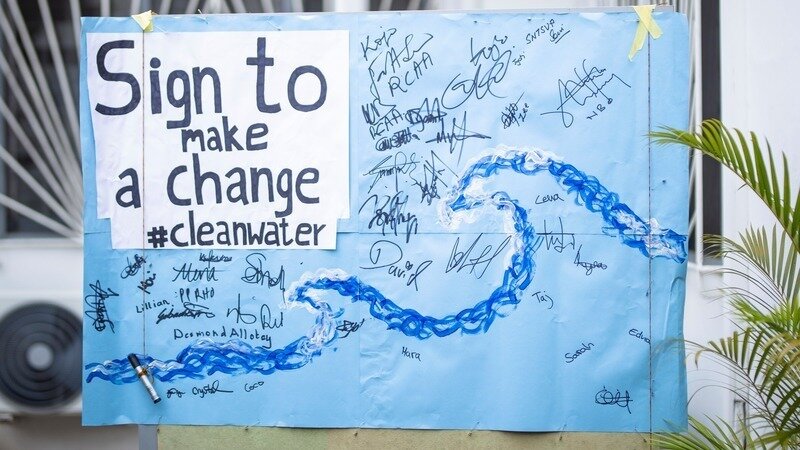
Be part of the solution! Join the Global Water Dances movement, hosted in Ghana every two years by the Street Children Empowerment Foundation (SCEF). This event unites people through art and advocacy, raising awareness and demanding action for clean water. This year, clean water advocates will hold a beach clean-up exercise at Lavendar Hill on may 31st 2025 at 7 am prompt and will also gather at the Arts Centre on June 14th 2025 at 9 am prompt, using the power of poetry, drama, and dance to arm, energize, and network climate change and clean water advocates. By participating, you add your voice to the call for systemic change and support the efforts to build a more sustainable future.
Sign this petition. Share it widely. Raise your voice. Together, we can protect Ghana's water and build a more just and sustainable future for all.
146
The Issue
Ghana stands at a critical juncture. We are confronted by a multi-faceted crisis: the relentless assault of devastating floods, the insidious threat of widespread water pollution, and the persistent challenge of inadequate waste management. These issues are not isolated; they are interconnected, forming a toxic cycle that endangers our communities, erodes our well-being, and jeopardizes the very foundation of our nation's future. The time for complacency is over. We must act decisively, and we must act now.
The Dire Reality: A Triple Threat
The recent floods serve as a harrowing reminder of the escalating consequences of our inaction. In May 2025, Accra was once again inundated, leading to tragic loss of life, including the heartbreaking deaths of innocent children. These floods are not natural disasters; they are the result of choked drainage systems, inadequate infrastructure, and a blatant disregard for environmental planning. Each flood leaves behind a trail of destruction, displacing families, destroying livelihoods, and exacerbating the vulnerability of those already marginalized.
Compounding this threat is the pervasive issue of water pollution. Our rivers, lakes, and groundwater sources are increasingly contaminated by industrial discharge, agricultural runoff, and the indiscriminate dumping of waste. This contamination renders our water unsafe for consumption, leading to a surge in waterborne diseases. The burden of this crisis falls disproportionately on vulnerable populations, particularly children, the elderly, and those living in poverty, who lack access to clean and safe alternatives.
Finally, the problem of inadequate waste management further exacerbates both flooding and water pollution. The improper disposal of solid waste clogs our drainage systems, preventing the flow of floodwaters and increasing the risk of inundation. Furthermore, this waste leaches harmful pollutants into our water sources, compounding the problem of contamination and posing a severe threat to public health.
The Human Cost: A Disproportionate Burden
The effects of this crisis are not felt equally across our society. It is the most vulnerable among us who bear the brunt of the burden. Street-connected children, youth, and those living in impoverished communities face a daily struggle for survival, made even more precarious by the lack of access to clean water and sanitation. These groups are at a heightened risk of contracting waterborne diseases, suffering from malnutrition, and falling victim to exploitation and violence. The floods further displace them, destroying their makeshift shelters and forcing them to seek refuge in even more precarious and unsanitary conditions. We must acknowledge and address this systemic injustice.
Our Call to Action: A Two-Pronged Approach
Addressing this crisis requires a concerted effort from both citizens and our political leaders. We must embrace a paradigm shift, moving away from a culture of indifference towards a culture of responsibility and environmental stewardship.
From Ourselves, We Demand:
A Culture of Responsibility: We must cease the indiscriminate dumping of waste, embrace responsible waste management practices, and conserve water at every opportunity.
Active Stewardship: We must become active stewards of our water resources, protecting our rivers, lakes, and wetlands from pollution and encroachment.
Community Engagement: We must participate in community clean-up initiatives, advocate for sustainable practices, and hold polluters accountable.
To Our Political Leaders, We Demand:
Decisive Leadership: We demand bold and decisive action to address the root causes of this crisis.
Investment in Infrastructure: We demand significant investment in modern, resilient infrastructure, including improved drainage systems, wastewater treatment facilities, and sustainable water management practices.
Enforcement of Regulations: We demand the strict enforcement of environmental laws and regulations, holding polluters accountable for their actions and preventing further degradation of our water resources.
Protect the Vulnerable: We demand specific measures to protect the most vulnerable during disasters and prevent the spread of waterborne diseases.
Join the Movement: Global Water Dances
Be part of the solution! Join the Global Water Dances movement, hosted in Ghana every two years by the Street Children Empowerment Foundation (SCEF). This event unites people through art and advocacy, raising awareness and demanding action for clean water. This year, clean water advocates will hold a beach clean-up exercise at Lavendar Hill on may 31st 2025 at 7 am prompt and will also gather at the Arts Centre on June 14th 2025 at 9 am prompt, using the power of poetry, drama, and dance to arm, energize, and network climate change and clean water advocates. By participating, you add your voice to the call for systemic change and support the efforts to build a more sustainable future.
Sign this petition. Share it widely. Raise your voice. Together, we can protect Ghana's water and build a more just and sustainable future for all.
Petition Updates
Share this petition
Petition created on May 20, 2025