Protect Central Park's Birds: Replace NYRR's Midnight Run Fireworks
The Issue
We are calling on NYRR to protect Central Park's winter wildlife by replacing the explosive Midnight Run fireworks with a wildlife-conscious celebration to ring in 2027!
Every New Year's Eve, thousands of runners gather in Central Park to celebrate new beginnings at the New York Road Runners Midnight Run. It is a beloved New York City tradition that brings people together through movement, community, and joy.
I've been one of those runners for the past four years, with the exception of 2024, when the event was ultimately canceled due to severe weather. I love this race and everything it represents. There is something truly special about welcoming a new year surrounded by fellow runners on Central Park's drives. I want this tradition to thrive for decades to come—but I also believe we can celebrate in a way that respects the wildlife sharing this extraordinary space with us.
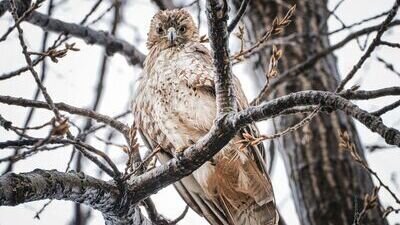
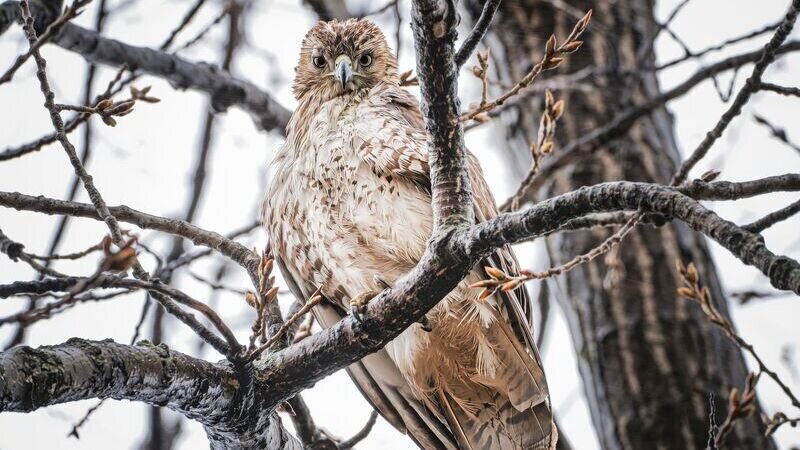
Last year, as the midnight fireworks erupted, I witnessed something heartbreaking: a hawk desperately fleeing from tree to tree, seemingly unable to find a safe place to escape the concussive explosions. While thousands of us cheered, a resident raptor was struggling in terror inside its own home. Every year I've run, I have also watched thick clouds of sulfurous fireworks smoke roll down West Drive and drift toward and over the Ramble.
Just steps from the start and finish lines on 72nd Street lies the Ramble, a 36-acre woodland sanctuary visited by over 200 bird species throughout the year. For birds living in its trees on a freezing winter night, sudden explosions, blinding flashes, and heavy chemical smoke can transform a vital refuge into a source of danger and disturbance. During winter, birds must carefully balance their energy expenditure with the demands of staying warm and finding food. Forcing them into disoriented nighttime flights expends valuable energy reserves they must then work to replenish, potentially increasing their vulnerability during the coldest months of the year.
Our celebration should not come at the expense of the wildlife that calls Central Park home.
NYRR Has Already Shown a Better Way Is Possible
In December 2024, New York Road Runners made the commendable decision to pivot away from fireworks, planning a 500-drone light show in response to drought conditions and wildfire risks. Crucially, NYRR planned for the sightline challenge: the drone show was designed to be viewed directly from the 72nd Street Transverse runner zone south of Bethesda Terrace.
Although the display was ultimately called off following an accident involving the same drone vendor at another event, and the race itself was later canceled due to severe weather, the groundwork was laid. NYRR had planned an alternative display on short notice, designed to be viewed from 72nd Street without detonating high-decibel explosives over the park.
If NYRR could pivot to protect Central Park from fire in 2024, they can take that same step to protect Central Park's wildlife in 2026.
NYRR's Existing Sustainability Commitments
New York Road Runners has already taken meaningful steps toward more environmentally responsible racing, from introducing reusable hydration cups and reducing single-use waste to collecting discarded clothing and redistributing surplus food. The organization has publicly committed to minimizing its environmental impact, protecting green spaces, and working toward net-zero emissions by 2040.
Rethinking the Midnight Run fireworks is a natural extension of those commitments. Environmental responsibility should extend beyond what runners consume and discard to the impact our events have on the living ecosystems that host them.
Central Park is one of the very places that makes running in New York so extraordinary. Protecting its wildlife should be part of protecting its future.
The Science: How Fireworks Disturb Birds and Pollute Habitats
Scientific research has documented how fireworks disrupt avian populations, triggering sudden flight responses, disorientation, physiological stress, and disturbances to nighttime roosting behavior.
- Massive Panic Flights: A landmark 2024 study published in Frontiers in Ecology and the Environment used weather radar data across the Netherlands to track birds during New Year's Eve fireworks. Researchers found that approximately 1,000 times as many birds were in flight on New Year's Eve as on ordinary nights, with large-bodied species reacting most strongly. These sudden nighttime flights force birds to expend valuable energy, leave their roosts, and navigate darkness under stressful conditions. Although this study was conducted in the Netherlands rather than Central Park, its findings demonstrate the extraordinary scale of avian disturbance fireworks can produce. The researchers recommend reducing birds' exposure to fireworks, including establishing large fireworks-free zones.
- Severe Air and Water Pollution: The damage isn't limited to noise. Every year, I have watched thick clouds of fireworks smoke spread along Central Park's West Drive and drift toward and over the Ramble. A peer-reviewed NYU Langone Health study of Macy's July 4th fireworks over the East River found fine particulate matter (PM2.5) peaking at 3,000 µg/m³ near the show, and East River concentrations of lead, nickel, and antimony more than doubled. The same research team's earlier analysis of 14 years of EPA air samples found toxic metals elevated around July 4th and New Year's Eve.
While Macy's fireworks represent a much larger display than the Midnight Run, the location of NYRR's fireworks raises a distinct environmental concern. Rather than dispersing above a broad river corridor, the smoke I have witnessed at the Midnight Run travels toward and over a relatively small, densely wooded wildlife habitat. The Ramble's 36 acres provide a concentrated refuge for birds and other animals, yet the fireworks are set off in close proximity to this sensitive ecosystem. The precise pollution concentrations in the Ramble have not been measured in the cited study, but the direct exposure of this woodland to visible fireworks smoke deserves serious environmental consideration.
Central Park is not merely an event venue; it is an active ecosystem that supports vibrant wildlife even in the dead of winter. The Ramble, in particular, is a functioning woodland habitat that generations of New Yorkers and conservationists have worked to protect.
Why are we filling one of New York City's most important urban wildlife sanctuaries with chemical smoke and explosions when alternatives exist?
Meaningful Progress Begins by Taking Steps in the Right Direction
Changing beloved traditions can feel daunting, and finding a flawless celebration takes trial and care.
In 2024, NYRR's proposed drone show offered a promising example of how the Midnight Run might evolve. Yet drones and other light-based displays come with their own environmental considerations. Artificial light at night can disorient birds, and poorly planned drone shows can create additional risks for wildlife.
NYC Bird Alliance has raised important concerns about these impacts and called for careful consideration of the timing and location of drone displays. Their guidance offers an opportunity to develop a more thoughtful approach to celebrations in sensitive urban habitats.
A carefully designed drone show, projection mapping, or another low-noise, zero-combustion experience may represent a meaningful step forward. The right solution should be developed collaboratively, informed by wildlife research, and evaluated for its effects on the park's inhabitants.
A drone show may not be a silver bullet, but meaningful progress rarely happens all at once. We must be willing to take thoughtful steps in the right direction, learn from them, and keep improving.
Sticking with high-impact, concussive explosives simply because no alternative is entirely without environmental impact is not an acceptable reason to avoid change.
We Are Calling on NYRR To:
- Replace the explosive fireworks at the 2027 Midnight Run with a wildlife-conscious, low-noise, zero-combustion celebration. Potential alternatives include a carefully planned drone display, projection mapping, or other creative light-based experiences, subject to environmental review and consultation with wildlife experts.
- Conduct a meaningful wildlife and environmental review in collaboration with NYC Parks, the Central Park Conservancy, NYC Bird Alliance, and qualified wildlife biologists. If a comprehensive review is not feasible before this year's Midnight Run, commit to conducting one in the years ahead to ensure future celebrations minimize their impact on Central Park's wildlife and surrounding habitats.
- Establish a lasting commitment to celebrating the Midnight Run without explosive fireworks, while continuing to evaluate and improve alternative celebrations based on the best available environmental research.
We get to choose how we ring in the New Year. The birds who sleep in Central Park's branches do not.
This isn't about choosing birds over runners—it's about proving that New York can celebrate with joy, imagination, and compassion for every living creature that calls this park home.
Please sign and share this petition by November 30, 2026.
Our goal is to present NYRR and its partners with a clear call for change in time to reconsider this year's fireworks and begin building a more wildlife-conscious tradition.
Help us give Central Park's wildlife a safer, quieter start to the new year.
38
The Issue
We are calling on NYRR to protect Central Park's winter wildlife by replacing the explosive Midnight Run fireworks with a wildlife-conscious celebration to ring in 2027!
Every New Year's Eve, thousands of runners gather in Central Park to celebrate new beginnings at the New York Road Runners Midnight Run. It is a beloved New York City tradition that brings people together through movement, community, and joy.
I've been one of those runners for the past four years, with the exception of 2024, when the event was ultimately canceled due to severe weather. I love this race and everything it represents. There is something truly special about welcoming a new year surrounded by fellow runners on Central Park's drives. I want this tradition to thrive for decades to come—but I also believe we can celebrate in a way that respects the wildlife sharing this extraordinary space with us.
Last year, as the midnight fireworks erupted, I witnessed something heartbreaking: a hawk desperately fleeing from tree to tree, seemingly unable to find a safe place to escape the concussive explosions. While thousands of us cheered, a resident raptor was struggling in terror inside its own home. Every year I've run, I have also watched thick clouds of sulfurous fireworks smoke roll down West Drive and drift toward and over the Ramble.
Just steps from the start and finish lines on 72nd Street lies the Ramble, a 36-acre woodland sanctuary visited by over 200 bird species throughout the year. For birds living in its trees on a freezing winter night, sudden explosions, blinding flashes, and heavy chemical smoke can transform a vital refuge into a source of danger and disturbance. During winter, birds must carefully balance their energy expenditure with the demands of staying warm and finding food. Forcing them into disoriented nighttime flights expends valuable energy reserves they must then work to replenish, potentially increasing their vulnerability during the coldest months of the year.
Our celebration should not come at the expense of the wildlife that calls Central Park home.
NYRR Has Already Shown a Better Way Is Possible
In December 2024, New York Road Runners made the commendable decision to pivot away from fireworks, planning a 500-drone light show in response to drought conditions and wildfire risks. Crucially, NYRR planned for the sightline challenge: the drone show was designed to be viewed directly from the 72nd Street Transverse runner zone south of Bethesda Terrace.
Although the display was ultimately called off following an accident involving the same drone vendor at another event, and the race itself was later canceled due to severe weather, the groundwork was laid. NYRR had planned an alternative display on short notice, designed to be viewed from 72nd Street without detonating high-decibel explosives over the park.
If NYRR could pivot to protect Central Park from fire in 2024, they can take that same step to protect Central Park's wildlife in 2026.
NYRR's Existing Sustainability Commitments
New York Road Runners has already taken meaningful steps toward more environmentally responsible racing, from introducing reusable hydration cups and reducing single-use waste to collecting discarded clothing and redistributing surplus food. The organization has publicly committed to minimizing its environmental impact, protecting green spaces, and working toward net-zero emissions by 2040.
Rethinking the Midnight Run fireworks is a natural extension of those commitments. Environmental responsibility should extend beyond what runners consume and discard to the impact our events have on the living ecosystems that host them.
Central Park is one of the very places that makes running in New York so extraordinary. Protecting its wildlife should be part of protecting its future.
The Science: How Fireworks Disturb Birds and Pollute Habitats
Scientific research has documented how fireworks disrupt avian populations, triggering sudden flight responses, disorientation, physiological stress, and disturbances to nighttime roosting behavior.
- Massive Panic Flights: A landmark 2024 study published in Frontiers in Ecology and the Environment used weather radar data across the Netherlands to track birds during New Year's Eve fireworks. Researchers found that approximately 1,000 times as many birds were in flight on New Year's Eve as on ordinary nights, with large-bodied species reacting most strongly. These sudden nighttime flights force birds to expend valuable energy, leave their roosts, and navigate darkness under stressful conditions. Although this study was conducted in the Netherlands rather than Central Park, its findings demonstrate the extraordinary scale of avian disturbance fireworks can produce. The researchers recommend reducing birds' exposure to fireworks, including establishing large fireworks-free zones.
- Severe Air and Water Pollution: The damage isn't limited to noise. Every year, I have watched thick clouds of fireworks smoke spread along Central Park's West Drive and drift toward and over the Ramble. A peer-reviewed NYU Langone Health study of Macy's July 4th fireworks over the East River found fine particulate matter (PM2.5) peaking at 3,000 µg/m³ near the show, and East River concentrations of lead, nickel, and antimony more than doubled. The same research team's earlier analysis of 14 years of EPA air samples found toxic metals elevated around July 4th and New Year's Eve.
While Macy's fireworks represent a much larger display than the Midnight Run, the location of NYRR's fireworks raises a distinct environmental concern. Rather than dispersing above a broad river corridor, the smoke I have witnessed at the Midnight Run travels toward and over a relatively small, densely wooded wildlife habitat. The Ramble's 36 acres provide a concentrated refuge for birds and other animals, yet the fireworks are set off in close proximity to this sensitive ecosystem. The precise pollution concentrations in the Ramble have not been measured in the cited study, but the direct exposure of this woodland to visible fireworks smoke deserves serious environmental consideration.
Central Park is not merely an event venue; it is an active ecosystem that supports vibrant wildlife even in the dead of winter. The Ramble, in particular, is a functioning woodland habitat that generations of New Yorkers and conservationists have worked to protect.
Why are we filling one of New York City's most important urban wildlife sanctuaries with chemical smoke and explosions when alternatives exist?
Meaningful Progress Begins by Taking Steps in the Right Direction
Changing beloved traditions can feel daunting, and finding a flawless celebration takes trial and care.
In 2024, NYRR's proposed drone show offered a promising example of how the Midnight Run might evolve. Yet drones and other light-based displays come with their own environmental considerations. Artificial light at night can disorient birds, and poorly planned drone shows can create additional risks for wildlife.
NYC Bird Alliance has raised important concerns about these impacts and called for careful consideration of the timing and location of drone displays. Their guidance offers an opportunity to develop a more thoughtful approach to celebrations in sensitive urban habitats.
A carefully designed drone show, projection mapping, or another low-noise, zero-combustion experience may represent a meaningful step forward. The right solution should be developed collaboratively, informed by wildlife research, and evaluated for its effects on the park's inhabitants.
A drone show may not be a silver bullet, but meaningful progress rarely happens all at once. We must be willing to take thoughtful steps in the right direction, learn from them, and keep improving.
Sticking with high-impact, concussive explosives simply because no alternative is entirely without environmental impact is not an acceptable reason to avoid change.
We Are Calling on NYRR To:
- Replace the explosive fireworks at the 2027 Midnight Run with a wildlife-conscious, low-noise, zero-combustion celebration. Potential alternatives include a carefully planned drone display, projection mapping, or other creative light-based experiences, subject to environmental review and consultation with wildlife experts.
- Conduct a meaningful wildlife and environmental review in collaboration with NYC Parks, the Central Park Conservancy, NYC Bird Alliance, and qualified wildlife biologists. If a comprehensive review is not feasible before this year's Midnight Run, commit to conducting one in the years ahead to ensure future celebrations minimize their impact on Central Park's wildlife and surrounding habitats.
- Establish a lasting commitment to celebrating the Midnight Run without explosive fireworks, while continuing to evaluate and improve alternative celebrations based on the best available environmental research.
We get to choose how we ring in the New Year. The birds who sleep in Central Park's branches do not.
This isn't about choosing birds over runners—it's about proving that New York can celebrate with joy, imagination, and compassion for every living creature that calls this park home.
Please sign and share this petition by November 30, 2026.
Our goal is to present NYRR and its partners with a clear call for change in time to reconsider this year's fireworks and begin building a more wildlife-conscious tradition.
Help us give Central Park's wildlife a safer, quieter start to the new year.
The Decision Makers
Supporter Voices
Petition Updates
Share this petition
Petition created on October 30, 2026