Preserve Central Park's historic carriage drives for horses
The Issue
For generations, Central Park's iconic carriage drives and bridle paths have been a cherished part of New York City’s history and culture. These routes offer a tranquil escape from the city's hustle and bustle.
The horse-drawn carriages have become an integral part of what makes New York City unique. However, this tradition is under threat. A well-funded misinformation campaign, fueled by extreme animal activists, is calling for an outright ban on these beloved horses and carriages, branding them cruel and abusive without acknowledging the factual evidence of the care and safeguards in place for these animals.
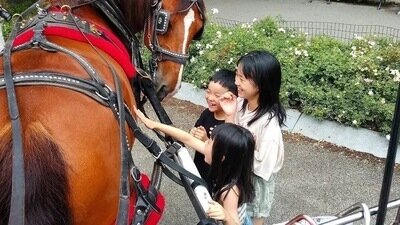
Seeing horses in Central Park isn’t just a romantic vision; it is a testament to preserving living history in a city that is constantly evolving. These horses are not just a tourist attraction; they are cherished animals, cared for by dedicated professionals who ensure their health and well-being.
The truth that needs to be heard is that the horses are kept in excellent conditions. They have veterinary care, regular exercise, and the finest nutrition. The regulations governing their care are stringent, focusing entirely on animal welfare. From regulated working hours, mandated holiday periods, to regular veterinary check-ups, every aspect of their lives is monitored to ensure they are healthy.
These measures have resulted in horses that are arguably among the most carefully looked-after animals in urban environments.
Central Park is not only a national treasure but also a living testament to New York City's history and culture. Preserving its historic elements is crucial to maintaining the park’s character and its intended use as envisioned by Frederick Law Olmsted and Calvert Vaux.
Among these elements are the 9 1/2 mile carriage drives and the 4¼ miles of bridle paths designed specifically for horse carriages and horseback riding.
These paths are more than just routes through the park—they are a tangible connection to the past, offering a unique and cherished experience for both residents and tourists.
What we WANT is for horses to be recognized as having the right of way and being the primary reason for the carriage drives and bridle paths to exist.
We strongly believe that Commercial electric vehicles and e-bikes should be banned, in addition to motorized pedicabs and laws about them must be written and enforced.
In addition, any other fast moving mode of transportation should be banned from being in close proximity to the horses. They pose serious danger and are not in line with ensuring the peace and tranquility that the park was intended for.
Bicycles do have their own lanes, we ask that they return to their specified lane in the middle of the drives.
Horse-drawn carriages are a beloved symbol of New York City, providing jobs and offering an environmentally friendly, low-impact way to enjoy the park's natural beauty. The horses are well cared for, and serve as ambassadors for New York City’s heritage.
To maintain the integrity and tradition of Central Park, we must act now to protect these historic paths.
We propose that the Central Park Conservancy, the New York City Department of Parks and Recreation, and the New York City Council formally designate these areas primarily for horse carriages and horseback riding.
This can be achieved through legislation designed to respect and preserve these iconic routes, ensuring their availability for future generations.
We urge decision-makers to consider the petition and support measures that prevent the repurposing of these paths. The community, historians, visitors, and equestrian enthusiasts stand united, urging a commitment to the park’s authentic nature.
In signing this petition, you are taking a stand for preserving in perpetuity a vital piece of New York City’s history, ensuring the continued enjoyment offered by these unique experiences.
Let us stand together to preserve Central Park’s historic carriage drives and bridle paths for the horses and affirm our commitment to New York City’s vibrant history.
179
The Issue
For generations, Central Park's iconic carriage drives and bridle paths have been a cherished part of New York City’s history and culture. These routes offer a tranquil escape from the city's hustle and bustle.
The horse-drawn carriages have become an integral part of what makes New York City unique. However, this tradition is under threat. A well-funded misinformation campaign, fueled by extreme animal activists, is calling for an outright ban on these beloved horses and carriages, branding them cruel and abusive without acknowledging the factual evidence of the care and safeguards in place for these animals.
Seeing horses in Central Park isn’t just a romantic vision; it is a testament to preserving living history in a city that is constantly evolving. These horses are not just a tourist attraction; they are cherished animals, cared for by dedicated professionals who ensure their health and well-being.
The truth that needs to be heard is that the horses are kept in excellent conditions. They have veterinary care, regular exercise, and the finest nutrition. The regulations governing their care are stringent, focusing entirely on animal welfare. From regulated working hours, mandated holiday periods, to regular veterinary check-ups, every aspect of their lives is monitored to ensure they are healthy.
These measures have resulted in horses that are arguably among the most carefully looked-after animals in urban environments.
Central Park is not only a national treasure but also a living testament to New York City's history and culture. Preserving its historic elements is crucial to maintaining the park’s character and its intended use as envisioned by Frederick Law Olmsted and Calvert Vaux.
Among these elements are the 9 1/2 mile carriage drives and the 4¼ miles of bridle paths designed specifically for horse carriages and horseback riding.
These paths are more than just routes through the park—they are a tangible connection to the past, offering a unique and cherished experience for both residents and tourists.
What we WANT is for horses to be recognized as having the right of way and being the primary reason for the carriage drives and bridle paths to exist.
We strongly believe that Commercial electric vehicles and e-bikes should be banned, in addition to motorized pedicabs and laws about them must be written and enforced.
In addition, any other fast moving mode of transportation should be banned from being in close proximity to the horses. They pose serious danger and are not in line with ensuring the peace and tranquility that the park was intended for.
Bicycles do have their own lanes, we ask that they return to their specified lane in the middle of the drives.
Horse-drawn carriages are a beloved symbol of New York City, providing jobs and offering an environmentally friendly, low-impact way to enjoy the park's natural beauty. The horses are well cared for, and serve as ambassadors for New York City’s heritage.
To maintain the integrity and tradition of Central Park, we must act now to protect these historic paths.
We propose that the Central Park Conservancy, the New York City Department of Parks and Recreation, and the New York City Council formally designate these areas primarily for horse carriages and horseback riding.
This can be achieved through legislation designed to respect and preserve these iconic routes, ensuring their availability for future generations.
We urge decision-makers to consider the petition and support measures that prevent the repurposing of these paths. The community, historians, visitors, and equestrian enthusiasts stand united, urging a commitment to the park’s authentic nature.
In signing this petition, you are taking a stand for preserving in perpetuity a vital piece of New York City’s history, ensuring the continued enjoyment offered by these unique experiences.
Let us stand together to preserve Central Park’s historic carriage drives and bridle paths for the horses and affirm our commitment to New York City’s vibrant history.
The Decision Makers

Supporter Voices
Petition Updates
Share this petition
Petition created on September 6, 2026