

Power-Banks Instead of Data-Centres
The Issue
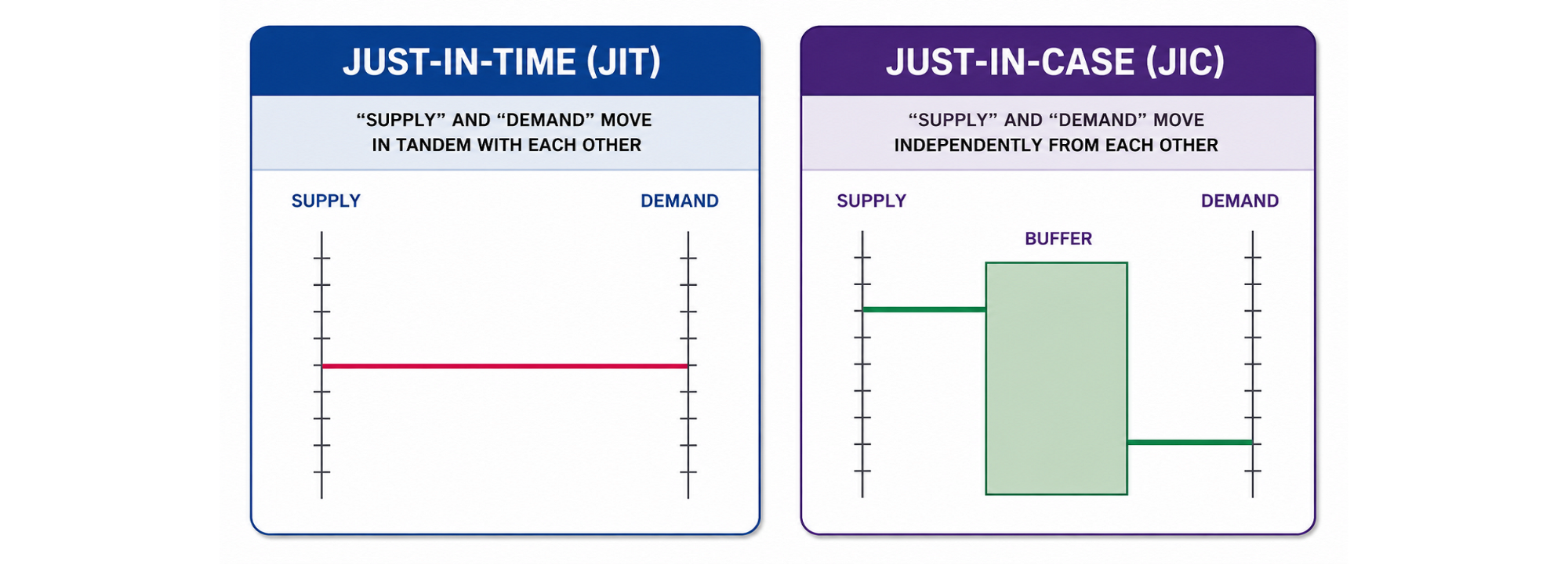
In terms of logistics, fossil fuels are based on “Make-To-Order” production (‘demand’ first), while renewable energies are based on “Make-To-Stock” production (‘supply’ first), so we can’t just use the exact same distribution infrastructure for both of them because they are fundamentally opposites.
● iNEWS (Sep 14, 2026): One of Britain’s largest offshore wind farms (Moray East) has been turned off almost 40 per cent of the time it has been in operation, including 60 per cent this year alone, because it’s generating more energy than the grid can currently handle.
● EURONEWS (Mar 27, 2026): Last year Britain wasted a staggering £1.47B by turning down wind turbines and paying gas plants to switch on, in Germany compensation costs for the curtailment of renewable energy hit €435M, and curtailment rates also rose to record levels in Spain and France, highlighting the mass scale of green energy being wasted across Europe.
Old roads will not lead to new places, and energy transition is not simply a matter of switching from fossil to renewable production, but rather of switching from a “Just-In-Time” to a “Just-In-Case” supply-chain *FIRST*.
[ POWER-BANKS INSTEAD OF DATA-CENTRES ]
The average cost of a data centre is cited at $475M (trailing 12 months avg on October 2026), and the global average cost of utility-scale battery storage is cited at $148/kWh in 2024 (down from $363/kWh in 2019) according to the International Energy Agency. Which means that for the cost of just one data-centre, we can install 3.2 GWh of storage capacity for renewable energies, or about 16 projects of 200 MHw each.
So what we have here is the opportunity to kill two birds with one stone, and stop data-centres while at the same time increasing renewable energies, by reallocating the resources already available from the former to the latter.
According to Erin Brockovich’s AI Data Centre Map, (update of Oct 25, 2026), there are currently 139 operational centres, 166 under construction, 39 permitted, and 175 proposed. So if we’d used those resources to install power-banks instead of data-centres, this would’ve been equivalent to:
● Operational: 3.2*139 = 444.8 GWh 2,224 projects of 200 MHw each
● Construction: 3.2*166 = 531.2 GWh 2,656 projects of 200 MHw each
● Permitted: 3.2*39 = 124.8 GWh 624 projects of 200 MHw each
● Proposed: 3.2*175 = 560.0 GWh 2,800 projects of 200 MHw each
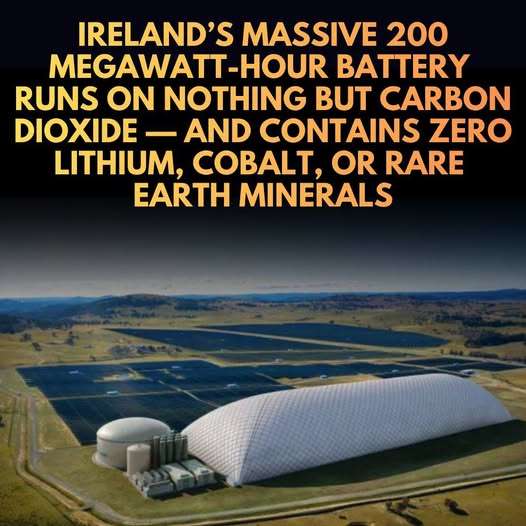
Data-Centres consume absolutely astronomical amounts of energy, and if we keep going ahead with their construction, then we’ll only be increasing even more the burden on our already fragile electric grid, and we’ll be forced to burn even more fossil fuels in order to keep up with their demand.
On the other hand, if we take the exact same resources that are already available today, and instead use them towards adding storage buffers to our energy infrastructure, then we’ll be able to reduce our dependence on fossil fuels and reduce CO2 emissions #NetZero2030
If you believe we should prioritize the construction of Power-Banks over the construction of Data-Centres, please sign and share this petition. Thank you.
SOURCES:
Renewables #1 – Supply Infrastructures
Renewables #2 – Distribution Economics
93
The Issue
In terms of logistics, fossil fuels are based on “Make-To-Order” production (‘demand’ first), while renewable energies are based on “Make-To-Stock” production (‘supply’ first), so we can’t just use the exact same distribution infrastructure for both of them because they are fundamentally opposites.
● iNEWS (Sep 14, 2026): One of Britain’s largest offshore wind farms (Moray East) has been turned off almost 40 per cent of the time it has been in operation, including 60 per cent this year alone, because it’s generating more energy than the grid can currently handle.
● EURONEWS (Mar 27, 2026): Last year Britain wasted a staggering £1.47B by turning down wind turbines and paying gas plants to switch on, in Germany compensation costs for the curtailment of renewable energy hit €435M, and curtailment rates also rose to record levels in Spain and France, highlighting the mass scale of green energy being wasted across Europe.
Old roads will not lead to new places, and energy transition is not simply a matter of switching from fossil to renewable production, but rather of switching from a “Just-In-Time” to a “Just-In-Case” supply-chain *FIRST*.
[ POWER-BANKS INSTEAD OF DATA-CENTRES ]
The average cost of a data centre is cited at $475M (trailing 12 months avg on October 2026), and the global average cost of utility-scale battery storage is cited at $148/kWh in 2024 (down from $363/kWh in 2019) according to the International Energy Agency. Which means that for the cost of just one data-centre, we can install 3.2 GWh of storage capacity for renewable energies, or about 16 projects of 200 MHw each.
So what we have here is the opportunity to kill two birds with one stone, and stop data-centres while at the same time increasing renewable energies, by reallocating the resources already available from the former to the latter.
According to Erin Brockovich’s AI Data Centre Map, (update of Oct 25, 2026), there are currently 139 operational centres, 166 under construction, 39 permitted, and 175 proposed. So if we’d used those resources to install power-banks instead of data-centres, this would’ve been equivalent to:
● Operational: 3.2*139 = 444.8 GWh 2,224 projects of 200 MHw each
● Construction: 3.2*166 = 531.2 GWh 2,656 projects of 200 MHw each
● Permitted: 3.2*39 = 124.8 GWh 624 projects of 200 MHw each
● Proposed: 3.2*175 = 560.0 GWh 2,800 projects of 200 MHw each
Data-Centres consume absolutely astronomical amounts of energy, and if we keep going ahead with their construction, then we’ll only be increasing even more the burden on our already fragile electric grid, and we’ll be forced to burn even more fossil fuels in order to keep up with their demand.
On the other hand, if we take the exact same resources that are already available today, and instead use them towards adding storage buffers to our energy infrastructure, then we’ll be able to reduce our dependence on fossil fuels and reduce CO2 emissions #NetZero2030
If you believe we should prioritize the construction of Power-Banks over the construction of Data-Centres, please sign and share this petition. Thank you.
SOURCES:
Renewables #1 – Supply Infrastructures
Renewables #2 – Distribution Economics


Supporter Voices
Petition Updates
Share this petition
Petition created on July 22, 2026