2,110 Signatures and Growing: The Black Agenda is Taking Your Voices to the Table

Greetings to all those signatories who now constitute the heart of the reparative citizenship movement!
As of this writing, this petition has reached 2,110 signatures.
To every person who has signed, shared, commented, encouraged others, and stood with this call: thank you.
You have entrusted The Black Agenda to help serve as a voice of the voiceless, to represent your interests, and to articulate the concerns of those who were left unheard, excluded, frustrated, or disenfranchised during the last citizenship round.
We take that trust seriously.
We are pleased to inform you that The Black Agenda will be meeting with the Diaspora Affairs Office of the President regarding the petition to restore reparative citizenship in principle and in practice. We are also seeking to set up a meeting with President John Dramani Mahama so that the concerns of the people can be placed directly before the highest level of government.
This petition has not remained only online. Letters and petition materials have been delivered to key state offices and institutions, including the President himself, the Diaspora Affairs Office of the President, the Ministry of the Interior, the Ministry of Foreign Affairs, Parliament, and CHRAJ.
This matters because reparative citizenship touches several areas of public responsibility: presidential leadership, diaspora engagement, citizenship administration, foreign affairs, constitutional rights, accountability, and Ghana’s stated relationship with the historic diaspora. We are pursuing the issue through the appropriate channels while keeping the people informed at every stage.
As our elders teach us:
“Sɛ wo yam yɛ wo ya na womfem wo se a, obiara nhunu wo mmɔbɔ.”
“If your stomach hurts but you do not grimace, no one pities you.”
This speaks directly to the moment before us. If those affected do not clearly express their grievances, those in government may never fully understand the depth of the harm, confusion, disappointment, and exclusion people have experienced. Silence can cause legitimate concerns to be overlooked. Speaking clearly gives decision-makers the opportunity to hear, understand, and respond.
Our elders also say:
“Obi nse twurodo mma toa.”
“No one makes a gurgling noise for a bottle.”
A person must speak for himself. A people must also speak for themselves. That is why this petition matters. That is why the town halls matter. That is why the meeting matters. Those directly affected by citizenship policy must be heard in their own voices and represented by those they have trusted to carry their concerns forward.
This is exactly why we have continued to insist on seats at the table.
Seats, plural.
The people most affected by citizenship policy must be represented where decisions are being discussed, reviewed, shaped, and implemented. When the people have substantive seats at the table, issues such as exorbitant cash requirements, DNA concerns, unclear timelines, shifting requirements, poor communication, and lack of accountability can be addressed before they cause harm.
In the spirit of transparency and accountability, we will keep the more than 2,100 signatories who have stood with this petition abreast of the outcome of the meeting. You trusted The Black Agenda to carry these concerns forward, and we will report back to you on what is discussed, what is promised, what is clarified, and what next steps emerge.
This movement continues to grow in strength and depth.
We also want to highlight that Nana Kweku Egyir Gyepi III, who spoke so powerfully at the recent town hall, has now signed the petition. His signature is significant. It shows that voices from traditional authority are also entering this call to restore reparative citizenship in principle and in practice.
This matters because the quest for reparative citizenship is not only an administrative question. It is a question of repair, belonging, right of return, recognition, and representation. Traditional rulers, community leaders, organizational representatives, individual members, and principled supporters all have a role to play in ensuring that the people most affected are heard.
The process must match the promise.
Ghana has made a powerful promise to the historic diaspora through words of welcome, public ceremonies, national symbolism, and international leadership. Now the process itself must reflect that promise in practice.
That means:
Seats at the table.
Fair and transparent fees.
Clear requirements.
Reasonable timelines.
Real accountability.
Direct representation for those affected.
A process designed around repair rather than exclusion.
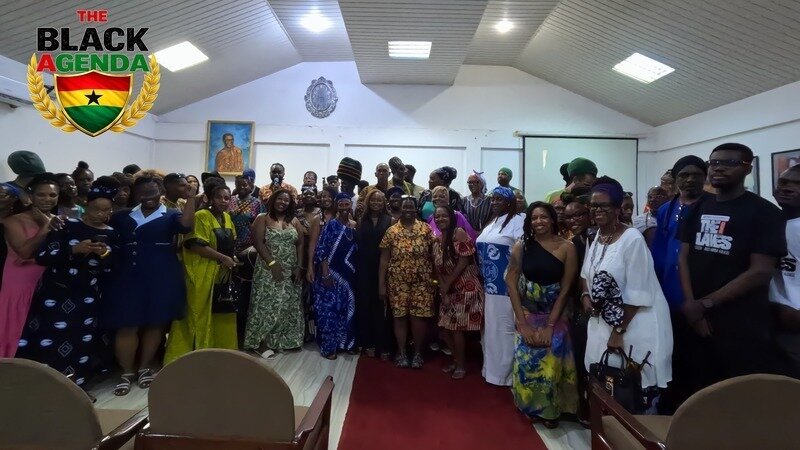
This petition came directly from the voices raised at the 3rd Black Agenda town hall meeting. The demands were not written in isolation. They came from lived experience, direct testimony, shared frustration, and a collective insistence that those affected must be heard.
For years, social media platforms have too often rewarded conflict between Black people on the continent and Black people throughout the historic diaspora. Misunderstandings are amplified. Insults travel faster than serious dialogue. Division is pushed to the surface, while cooperation is often buried.
Yet this petition shows something different.
Around this issue, people are finding common ground, shared interest, and a practical path forward. That matters. It cuts through the noise and tears through the forces that benefit when we are kept arguing with each other instead of building together.
Now we must keep going.
The next goal is 2,500 signatures, and we are getting closer every day.
Please continue to share the petition widely. Ask family, friends, organizations, community leaders, traditional authorities, faith leaders, business owners, students, artists, educators, and concerned citizens to sign and stand with this call.
Petition link:
https://www.change.org/ghanacitizenship
You can also record a short video explaining why you signed and why this issue matters to you. Speak from the heart. Keep it brief. Keep it public-friendly. Do not share private immigration documents, passport numbers, employer details, or sensitive personal data.
You can begin with:
“I signed this petition because…”
“The process must match the promise because…”
“We need seats at the table because…”
To the first 2,110 signatories and all who are still joining: thank you.
The numbers are growing. The message is clear. The people are speaking.
We will carry your voices forward, and we will report back.
The process must match the promise.
We are restoring reparative citizenship in principle and in practice.