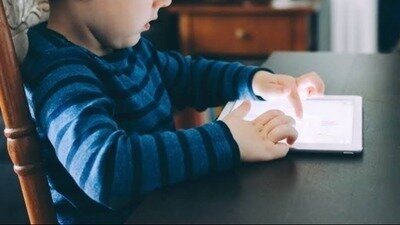

Petition to Delay the Introduction of Mandatory iPads for Year 3 Students
ประเด็นรณรงค์
This petition seeks a balanced approach to educational technology by requesting that the compulsory Year 3 iPad requirement be postponed in favor of shared school-managed devices, allowing students to develop essential literacy, social, and self-regulation skills before transitioning to personal devices.
Parent Statement Regarding the Introduction of Mandatory iPads for Year 3 Students
We, the undersigned parents and caregivers, respectfully request that the school reconsider the proposed requirement for Year 3 students to have their own iPads.
Our concerns are not rooted in opposition to technology. We recognize that digital literacy is an important skill and that technology has a valuable place in modern education. Rather, our concern is with the age at which children are being expected to own and use a personal device, and the unintended consequences this may have both at school and at home.
Concerns About Personal Device Ownership at a Young Age
Many of our children are only beginning to develop the self-regulation, focus, and study habits necessary for successful learning. As parents, we already face significant challenges in managing screen time at home. Many children naturally gravitate toward screens, and limiting their use often requires constant supervision, clear boundaries, and ongoing discussions about healthy habits.
Introducing a personal iPad at this age creates a difficult and often contradictory situation. On one hand, parents are encouraged to reduce recreational screen time and promote healthy technology habits. On the other hand, children are being provided with a school-mandated personal device that may blur the distinction between educational and recreational use.
Many parents are concerned that providing a child with their own device at such an early age may increase screen dependence and make it more difficult to establish healthy boundaries around technology use. Even when devices are intended primarily for educational purposes, ownership itself can create a sense that constant access to screens is both normal and necessary.
Distraction and Focus
Year 3 students are still developing the ability to concentrate for extended periods and to manage distractions independently. Personal devices, by their nature, are designed to be highly engaging and attention-grabbing.
While educational apps can be beneficial, the presence of a personal device introduces an additional layer of temptation and distraction that many children are not yet equipped to manage consistently. As parents, we worry that introducing individual devices too early may undermine the development of sustained attention, patience, and the ability to engage deeply with reading, writing, and classroom discussion.
The Importance of Continued Reading and Writing Practice
Children have only recently begun their formal literacy journey. Since Year 1, they have been learning to read, write, spell, and communicate through handwriting and printed materials. These skills remain under development throughout the early primary years and require regular practice.
Many parents believe that these foundational skills should continue to be prioritized during Year 3 before increasing reliance on digital devices. We are concerned that greater screen use may unintentionally reduce opportunities for handwriting practice, reading physical books, and developing the concentration that comes from working away from a screen.
Social Development and Wellbeing
School is not only about academic learning; it is also where children develop friendships, communication skills, teamwork, empathy, and emotional resilience.
As parents, we value the opportunities the primary years provide for children to interact, collaborate, and build meaningful relationships with their peers. While technology has an important place in education, personal devices can reduce the need for the everyday social interactions that help children develop these skills.
Shared devices, by contrast, naturally encourage cooperation. Children learn to take turns, negotiate, share resources, solve problems together, and be considerate of others—valuable life skills that extend well beyond the classroom.
We believe it is important to consider how the introduction of personal devices may influence these opportunities during the early primary years and hope to strike a balance that supports both digital literacy and the social and emotional development that is equally important to children's long-term wellbeing.
A Balanced Alternative
Rather than requiring every Year 3 student to own a personal iPad, we ask the school to consider maintaining the model currently used in the younger year levels.
Shared school-owned devices could continue to be available for specific lessons, projects, or technology-focused activities under teacher supervision. This approach would allow students to develop digital literacy skills while minimizing the concerns associated with personal device ownership.
Such a model would:
- Ensure technology remains a purposeful educational tool rather than a constant presence.
- Reduce the financial burden on families.
- Allow teachers to control when and how devices are used.
- Support healthy screen habits during a critical stage of child development.
- Enable students to gain technological skills without requiring parents to purchase and manage a personal device.
Our Request
We respectfully ask the school to:
- Postpone the requirement for Year 3 students to own personal iPads.
- Continue prioritizing foundational literacy, handwriting, and focus-building skills during the early primary years.
- Retain or expand the use of shared school-owned devices for targeted educational activities.
- Engage parents in meaningful consultation regarding the appropriate age and approach for introducing personal devices in the classroom.
- If the Year 3 iPad requirement is to proceed, provide parents with clear information regarding the safeguards, supervision, and device management measures that will be used to minimise distraction, inappropriate use, and screen dependency.
We believe this approach strikes a balanced path—one that embraces technology as a valuable educational tool while recognizing the developmental needs of young children and the practical realities faced by families.
Our goal is not to remove technology from learning, but to ensure it is introduced in a way that best supports children's long-term educational success, wellbeing, and healthy relationship with screens.
_____
References:
CNN Health: Students learn less when they use tech. So why do schools keep giving kids devices? | https://edition.cnn.com/2026/06/01/health/screens-in-school-education-tech-wellness
NPR: Several states — and the LA public schools — are setting limits on screen time | https://www.npr.org/2026/05/01/nx-s1-5791657/states-schools-restricting-screen-time
National Library of Medicine: Digital Device Usage and Childhood Cognitive Development: Exploring Effects on Cognitive Abilities | https://pmc.ncbi.nlm.nih.gov/articles/PMC11592547/
BBC: Back to books - Sweden's schools cutting back on digital learning | https://www.bbc.com/news/articles/cly0vk77vdko
PHYS.ORG: Reading on screens instead of paper is a less effective way to absorb and retain information, suggests research | https://phys.org/news/2024-02-screens-paper-effective-absorb-retain.html
DW Documentary: The Smartphone Dilemma | https://youtu.be/KpuIyXzv0G4?si=zWIo0XG_rLSPgL8P
Bangkok Post: Rules on screen time in schools coming soon | https://share.google/fJbycYSYnZgryCxO8
Reuters: Social media as bad for children as smoking, British doctors say | https://www.reuters.com/legal/litigation/social-media-bad-children-smoking-british-doctors-say-2026-05-26/

1
ประเด็นรณรงค์
This petition seeks a balanced approach to educational technology by requesting that the compulsory Year 3 iPad requirement be postponed in favor of shared school-managed devices, allowing students to develop essential literacy, social, and self-regulation skills before transitioning to personal devices.
Parent Statement Regarding the Introduction of Mandatory iPads for Year 3 Students
We, the undersigned parents and caregivers, respectfully request that the school reconsider the proposed requirement for Year 3 students to have their own iPads.
Our concerns are not rooted in opposition to technology. We recognize that digital literacy is an important skill and that technology has a valuable place in modern education. Rather, our concern is with the age at which children are being expected to own and use a personal device, and the unintended consequences this may have both at school and at home.
Concerns About Personal Device Ownership at a Young Age
Many of our children are only beginning to develop the self-regulation, focus, and study habits necessary for successful learning. As parents, we already face significant challenges in managing screen time at home. Many children naturally gravitate toward screens, and limiting their use often requires constant supervision, clear boundaries, and ongoing discussions about healthy habits.
Introducing a personal iPad at this age creates a difficult and often contradictory situation. On one hand, parents are encouraged to reduce recreational screen time and promote healthy technology habits. On the other hand, children are being provided with a school-mandated personal device that may blur the distinction between educational and recreational use.
Many parents are concerned that providing a child with their own device at such an early age may increase screen dependence and make it more difficult to establish healthy boundaries around technology use. Even when devices are intended primarily for educational purposes, ownership itself can create a sense that constant access to screens is both normal and necessary.
Distraction and Focus
Year 3 students are still developing the ability to concentrate for extended periods and to manage distractions independently. Personal devices, by their nature, are designed to be highly engaging and attention-grabbing.
While educational apps can be beneficial, the presence of a personal device introduces an additional layer of temptation and distraction that many children are not yet equipped to manage consistently. As parents, we worry that introducing individual devices too early may undermine the development of sustained attention, patience, and the ability to engage deeply with reading, writing, and classroom discussion.
The Importance of Continued Reading and Writing Practice
Children have only recently begun their formal literacy journey. Since Year 1, they have been learning to read, write, spell, and communicate through handwriting and printed materials. These skills remain under development throughout the early primary years and require regular practice.
Many parents believe that these foundational skills should continue to be prioritized during Year 3 before increasing reliance on digital devices. We are concerned that greater screen use may unintentionally reduce opportunities for handwriting practice, reading physical books, and developing the concentration that comes from working away from a screen.
Social Development and Wellbeing
School is not only about academic learning; it is also where children develop friendships, communication skills, teamwork, empathy, and emotional resilience.
As parents, we value the opportunities the primary years provide for children to interact, collaborate, and build meaningful relationships with their peers. While technology has an important place in education, personal devices can reduce the need for the everyday social interactions that help children develop these skills.
Shared devices, by contrast, naturally encourage cooperation. Children learn to take turns, negotiate, share resources, solve problems together, and be considerate of others—valuable life skills that extend well beyond the classroom.
We believe it is important to consider how the introduction of personal devices may influence these opportunities during the early primary years and hope to strike a balance that supports both digital literacy and the social and emotional development that is equally important to children's long-term wellbeing.
A Balanced Alternative
Rather than requiring every Year 3 student to own a personal iPad, we ask the school to consider maintaining the model currently used in the younger year levels.
Shared school-owned devices could continue to be available for specific lessons, projects, or technology-focused activities under teacher supervision. This approach would allow students to develop digital literacy skills while minimizing the concerns associated with personal device ownership.
Such a model would:
- Ensure technology remains a purposeful educational tool rather than a constant presence.
- Reduce the financial burden on families.
- Allow teachers to control when and how devices are used.
- Support healthy screen habits during a critical stage of child development.
- Enable students to gain technological skills without requiring parents to purchase and manage a personal device.
Our Request
We respectfully ask the school to:
- Postpone the requirement for Year 3 students to own personal iPads.
- Continue prioritizing foundational literacy, handwriting, and focus-building skills during the early primary years.
- Retain or expand the use of shared school-owned devices for targeted educational activities.
- Engage parents in meaningful consultation regarding the appropriate age and approach for introducing personal devices in the classroom.
- If the Year 3 iPad requirement is to proceed, provide parents with clear information regarding the safeguards, supervision, and device management measures that will be used to minimise distraction, inappropriate use, and screen dependency.
We believe this approach strikes a balanced path—one that embraces technology as a valuable educational tool while recognizing the developmental needs of young children and the practical realities faced by families.
Our goal is not to remove technology from learning, but to ensure it is introduced in a way that best supports children's long-term educational success, wellbeing, and healthy relationship with screens.
_____
References:
CNN Health: Students learn less when they use tech. So why do schools keep giving kids devices? | https://edition.cnn.com/2026/06/01/health/screens-in-school-education-tech-wellness
NPR: Several states — and the LA public schools — are setting limits on screen time | https://www.npr.org/2026/05/01/nx-s1-5791657/states-schools-restricting-screen-time
National Library of Medicine: Digital Device Usage and Childhood Cognitive Development: Exploring Effects on Cognitive Abilities | https://pmc.ncbi.nlm.nih.gov/articles/PMC11592547/
BBC: Back to books - Sweden's schools cutting back on digital learning | https://www.bbc.com/news/articles/cly0vk77vdko
PHYS.ORG: Reading on screens instead of paper is a less effective way to absorb and retain information, suggests research | https://phys.org/news/2024-02-screens-paper-effective-absorb-retain.html
DW Documentary: The Smartphone Dilemma | https://youtu.be/KpuIyXzv0G4?si=zWIo0XG_rLSPgL8P
Bangkok Post: Rules on screen time in schools coming soon | https://share.google/fJbycYSYnZgryCxO8
Reuters: Social media as bad for children as smoking, British doctors say | https://www.reuters.com/legal/litigation/social-media-bad-children-smoking-british-doctors-say-2026-05-26/
อัปเดตเกี่ยวแคมเปญรณรงค์
แชร์แคมเปญรณรงค์นี้
สร้างแคมเปญรณรงค์ใน 14 มิถุนายน ค.ศ. 2026 แล้ว