Petition for Stronger Typhoon Preparedness and Disaster Response

Petition for Stronger Typhoon Preparedness and Disaster Response
The Issue
Typhoons affect millions of people every year, particularly those living in coastal and low-lying areas. Families lose their homes, access to clean water, and livelihoods, while communities face damaged infrastructure and long recovery periods. Vulnerable groups such as the elderly, children, and the poor are the hardest hit, often without the resources to rebuild or protect themselves adequately from the next disaster. The repeated destruction leaves lasting scars, pushing people deeper into poverty and insecurity.
If no action is taken, the devastation caused by typhoons will only worsen as storms grow stronger and more frequent due to climate change. More lives will be lost, homes destroyed, and local economies shattered. However, by investing in stronger preparedness and disaster response now, we can save countless lives, protect property, and reduce the financial burden on affected communities. Failing to act will perpetuate this cycle of destruction, leaving future generations at even greater risk.
Typhoons affect millions of people every year, particularly those living in coastal and low-lying areas. Families lose their homes, access to clean water, and livelihoods, while communities face damaged infrastructure and long recovery periods. Vulnerable groups such as the elderly, children, and the poor are the hardest hit, often without the resources to rebuild or protect themselves adequately from the next disaster. The repeated destruction leaves lasting scars, pushing people deeper into poverty and insecurity.
If no action is taken, the devastation caused by typhoons will only worsen as storms grow stronger and more frequent due to climate change. More lives will be lost, homes destroyed, and local economies shattered. However, by investing in stronger preparedness and disaster response now, we can save countless lives, protect property, and reduce the financial burden on affected communities. Failing to act will perpetuate this cycle of destruction, leaving future generations at even greater risk.
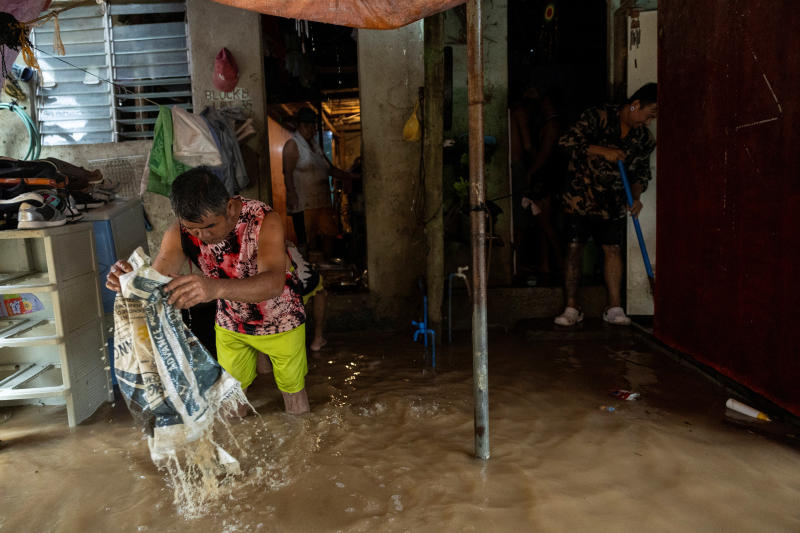
The time to act is now, as we are witnessing more powerful and unpredictable storms than ever before. Each year that passes without significant improvements in preparedness puts more lives and communities in jeopardy. Governments and local leaders have the opportunity to strengthen infrastructure, enhance early warning systems, and educate the public on disaster readiness. Taking action today is crucial to reducing the impact of future typhoons and ensuring safer, more resilient communities for tomorrow.
If no action is taken, the devastation caused by typhoons will only worsen as storms grow stronger and more frequent due to climate change. More lives will be lost, homes destroyed, and local economies shattered. However, by investing in stronger preparedness and disaster response now, we can save countless lives, protect property, and reduce the financial burden on affected communities. Failing to act will perpetuate this cycle of destruction, leaving future generations at even greater risk.
Typhoons affect millions of people every year, particularly those living in coastal and low-lying areas. Families lose their homes, access to clean water, and livelihoods, while communities face damaged infrastructure and long recovery periods. Vulnerable groups such as the elderly, children, and the poor are the hardest hit, often without the resources to rebuild or protect themselves adequately from the next disaster. The repeated destruction leaves lasting scars, pushing people deeper into poverty and insecurity.
If no action is taken, the devastation caused by typhoons will only worsen as storms grow stronger and more frequent due to climate change. More lives will be lost, homes destroyed, and local economies shattered. However, by investing in stronger preparedness and disaster response now, we can save countless lives, protect property, and reduce the financial burden on affected communities. Failing to act will perpetuate this cycle of destruction, leaving future generations at even greater risk.
The time to act is now, as we are witnessing more powerful and unpredictable storms than ever before. Each year that passes without significant improvements in preparedness puts more lives and communities in jeopardy. Governments and local leaders have the opportunity to strengthen infrastructure, enhance early warning systems, and educate the public on disaster readiness. Taking action today is crucial to reducing the impact of future typhoons and ensuring safer, more resilient communities for tomorrow.
The time to act is now, as we are witnessing more powerful and unpredictable storms than ever before. Each year that passes without significant improvements in preparedness puts more lives and communities in jeopardy. Governments and local leaders have the opportunity to strengthen infrastructure, enhance early warning systems, and educate the public on disaster readiness. Taking action today is crucial to reducing the impact of future typhoons and ensuring safer, more resilient communities for tomorrow.
If no action is taken, the devastation caused by typhoons will only worsen as storms grow stronger and more frequent due to climate change. More lives will be lost, homes destroyed, and local economies shattered. However, by investing in stronger preparedness and disaster response now, we can save countless lives, protect property, and reduce the financial burden on affected communities. Failing to act will perpetuate this cycle of destruction, leaving future generations at even greater risk.
Typhoons affect millions of people every year, particularly those living in coastal and low-lying areas. Families lose their homes, access to clean water, and livelihoods, while communities face damaged infrastructure and long recovery periods. Vulnerable groups such as the elderly, children, and the poor are the hardest hit, often without the resources to rebuild or protect themselves adequately from the next disaster. The repeated destruction leaves lasting scars, pushing people deeper into poverty and insecurity.
If no action is taken, the devastation caused by typhoons will only worsen as storms grow stronger and more frequent due to climate change. More lives will be lost, homes destroyed, and local economies shattered. However, by investing in stronger preparedness and disaster response now, we can save countless lives, protect property, and reduce the financial burden on affected communities. Failing to act will perpetuate this cycle of destruction, leaving future generations at even greater risk.
The time to act is now, as we are witnessing more powerful and unpredictable storms than ever before. Each year that passes without significant improvements in preparedness puts more lives and communities in jeopardy. Governments and local leaders have the opportunity to strengthen infrastructure, enhance early warning systems, and educate the public on disaster readiness. Taking action today is crucial to reducing the impact of future typhoons and ensuring safer, more resilient communities for tomorrow.
Typhoons affect millions of people every year, particularly those living in coastal and low-lying areas. Families lose their homes, access to clean water, and livelihoods, while communities face damaged infrastructure and long recovery periods. Vulnerable groups such as the elderly, children, and the poor are the hardest hit, often without the resources to rebuild or protect themselves adequately from the next disaster. The repeated destruction leaves lasting scars, pushing people deeper into poverty and insecurity.
If no action is taken, the devastation caused by typhoons will only worsen as storms grow stronger and more frequent due to climate change. More lives will be lost, homes destroyed, and local economies shattered. However, by investing in stronger preparedness and disaster response now, we can save countless lives, protect property, and reduce the financial burden on affected communities. Failing to act will perpetuate this cycle of destruction, leaving future generations at even greater risk.
Typhoons affect millions of people every year, particularly those living in coastal and low-lying areas. Families lose their homes, access to clean water, and livelihoods, while communities face damaged infrastructure and long recovery periods. Vulnerable groups such as the elderly, children, and the poor are the hardest hit, often without the resources to rebuild or protect themselves adequately from the next disaster. The repeated destruction leaves lasting scars, pushing people deeper into poverty and insecurity.
If no action is taken, the devastation caused by typhoons will only worsen as storms grow stronger and more frequent due to climate change. More lives will be lost, homes destroyed, and local economies shattered. However, by investing in stronger preparedness and disaster response now, we can save countless lives, protect property, and reduce the financial burden on affected communities. Failing to act will perpetuate this cycle of destruction, leaving future generations at even greater risk.
The time to act is now, as we are witnessing more powerful and unpredictable storms than ever before. Each year that passes without significant improvements in preparedness puts more lives and communities in jeopardy. Governments and local leaders have the opportunity to strengthen infrastructure, enhance early warning systems, and educate the public on disaster readiness. Taking action today is crucial to reducing the impact of future typhoons and ensuring safer, more resilient communities for tomorrow.
If no action is taken, the devastation caused by typhoons will only worsen as storms grow stronger and more frequent due to climate change. More lives will be lost, homes destroyed, and local economies shattered. However, by investing in stronger preparedness and disaster response now, we can save countless lives, protect property, and reduce the financial burden on affected communities. Failing to act will perpetuate this cycle of destruction, leaving future generations at even greater risk.
Typhoons affect millions of people every year, particularly those living in coastal and low-lying areas. Families lose their homes, access to clean water, and livelihoods, while communities face damaged infrastructure and long recovery periods. Vulnerable groups such as the elderly, children, and the poor are the hardest hit, often without the resources to rebuild or protect themselves adequately from the next disaster. The repeated destruction leaves lasting scars, pushing people deeper into poverty and insecurity.
If no action is taken, the devastation caused by typhoons will only worsen as storms grow stronger and more frequent due to climate change. More lives will be lost, homes destroyed, and local economies shattered. However, by investing in stronger preparedness and disaster response now, we can save countless lives, protect property, and reduce the financial burden on affected communities. Failing to act will perpetuate this cycle of destruction, leaving future generations at even greater risk.
The time to act is now, as we are witnessing more powerful and unpredictable storms than ever before. Each year that passes without significant improvements in preparedness puts more lives and communities in jeopardy. Governments and local leaders have the opportunity to strengthen infrastructure, enhance early warning systems, and educate the public on disaster readiness. Taking action today is crucial to reducing the impact of future typhoons and ensuring safer, more resilient communities for tomorrow.
The time to act is now, as we are witnessing more powerful and unpredictable storms than ever before. Each year that passes without significant improvements in preparedness puts more lives and communities in jeopardy. Governments and local leaders have the opportunity to strengthen infrastructure, enhance early warning systems, and educate the public on disaster readiness. Taking action today is crucial to reducing the impact of future typhoons and ensuring safer, more resilient communities for tomorrow.
If no action is taken, the devastation caused by typhoons will only worsen as storms grow stronger and more frequent due to climate change. More lives will be lost, homes destroyed, and local economies shattered. However, by investing in stronger preparedness and disaster response now, we can save countless lives, protect property, and reduce the financial burden on affected communities. Failing to act will perpetuate this cycle of destruction, leaving future generations at even greater risk.
Typhoons affect millions of people every year, particularly those living in coastal and low-lying areas. Families lose their homes, access to clean water, and livelihoods, while communities face damaged infrastructure and long recovery periods. Vulnerable groups such as the elderly, children, and the poor are the hardest hit, often without the resources to rebuild or protect themselves adequately from the next disaster. The repeated destruction leaves lasting scars, pushing people deeper into poverty and insecurity.
If no action is taken, the devastation caused by typhoons will only worsen as storms grow stronger and more frequent due to climate change. More lives will be lost, homes destroyed, and local economies shattered. However, by investing in stronger preparedness and disaster response now, we can save countless lives, protect property, and reduce the financial burden on affected communities. Failing to act will perpetuate this cycle of destruction, leaving future generations at even greater risk.
The time to act is now, as we are witnessing more powerful and unpredictable storms than ever before. Each year that passes without significant improvements in preparedness puts more lives and communities in jeopardy. Governments and local leaders have the opportunity to strengthen infrastructure, enhance early warning systems, and educate the public on disaster readiness. Taking action today is crucial to reducing the impact of future typhoons and ensuring safer, more resilient communities for tomorrow.

8
The Issue
Typhoons affect millions of people every year, particularly those living in coastal and low-lying areas. Families lose their homes, access to clean water, and livelihoods, while communities face damaged infrastructure and long recovery periods. Vulnerable groups such as the elderly, children, and the poor are the hardest hit, often without the resources to rebuild or protect themselves adequately from the next disaster. The repeated destruction leaves lasting scars, pushing people deeper into poverty and insecurity.
If no action is taken, the devastation caused by typhoons will only worsen as storms grow stronger and more frequent due to climate change. More lives will be lost, homes destroyed, and local economies shattered. However, by investing in stronger preparedness and disaster response now, we can save countless lives, protect property, and reduce the financial burden on affected communities. Failing to act will perpetuate this cycle of destruction, leaving future generations at even greater risk.
Typhoons affect millions of people every year, particularly those living in coastal and low-lying areas. Families lose their homes, access to clean water, and livelihoods, while communities face damaged infrastructure and long recovery periods. Vulnerable groups such as the elderly, children, and the poor are the hardest hit, often without the resources to rebuild or protect themselves adequately from the next disaster. The repeated destruction leaves lasting scars, pushing people deeper into poverty and insecurity.
If no action is taken, the devastation caused by typhoons will only worsen as storms grow stronger and more frequent due to climate change. More lives will be lost, homes destroyed, and local economies shattered. However, by investing in stronger preparedness and disaster response now, we can save countless lives, protect property, and reduce the financial burden on affected communities. Failing to act will perpetuate this cycle of destruction, leaving future generations at even greater risk.
The time to act is now, as we are witnessing more powerful and unpredictable storms than ever before. Each year that passes without significant improvements in preparedness puts more lives and communities in jeopardy. Governments and local leaders have the opportunity to strengthen infrastructure, enhance early warning systems, and educate the public on disaster readiness. Taking action today is crucial to reducing the impact of future typhoons and ensuring safer, more resilient communities for tomorrow.
If no action is taken, the devastation caused by typhoons will only worsen as storms grow stronger and more frequent due to climate change. More lives will be lost, homes destroyed, and local economies shattered. However, by investing in stronger preparedness and disaster response now, we can save countless lives, protect property, and reduce the financial burden on affected communities. Failing to act will perpetuate this cycle of destruction, leaving future generations at even greater risk.
Typhoons affect millions of people every year, particularly those living in coastal and low-lying areas. Families lose their homes, access to clean water, and livelihoods, while communities face damaged infrastructure and long recovery periods. Vulnerable groups such as the elderly, children, and the poor are the hardest hit, often without the resources to rebuild or protect themselves adequately from the next disaster. The repeated destruction leaves lasting scars, pushing people deeper into poverty and insecurity.
If no action is taken, the devastation caused by typhoons will only worsen as storms grow stronger and more frequent due to climate change. More lives will be lost, homes destroyed, and local economies shattered. However, by investing in stronger preparedness and disaster response now, we can save countless lives, protect property, and reduce the financial burden on affected communities. Failing to act will perpetuate this cycle of destruction, leaving future generations at even greater risk.
The time to act is now, as we are witnessing more powerful and unpredictable storms than ever before. Each year that passes without significant improvements in preparedness puts more lives and communities in jeopardy. Governments and local leaders have the opportunity to strengthen infrastructure, enhance early warning systems, and educate the public on disaster readiness. Taking action today is crucial to reducing the impact of future typhoons and ensuring safer, more resilient communities for tomorrow.
The time to act is now, as we are witnessing more powerful and unpredictable storms than ever before. Each year that passes without significant improvements in preparedness puts more lives and communities in jeopardy. Governments and local leaders have the opportunity to strengthen infrastructure, enhance early warning systems, and educate the public on disaster readiness. Taking action today is crucial to reducing the impact of future typhoons and ensuring safer, more resilient communities for tomorrow.
If no action is taken, the devastation caused by typhoons will only worsen as storms grow stronger and more frequent due to climate change. More lives will be lost, homes destroyed, and local economies shattered. However, by investing in stronger preparedness and disaster response now, we can save countless lives, protect property, and reduce the financial burden on affected communities. Failing to act will perpetuate this cycle of destruction, leaving future generations at even greater risk.
Typhoons affect millions of people every year, particularly those living in coastal and low-lying areas. Families lose their homes, access to clean water, and livelihoods, while communities face damaged infrastructure and long recovery periods. Vulnerable groups such as the elderly, children, and the poor are the hardest hit, often without the resources to rebuild or protect themselves adequately from the next disaster. The repeated destruction leaves lasting scars, pushing people deeper into poverty and insecurity.
If no action is taken, the devastation caused by typhoons will only worsen as storms grow stronger and more frequent due to climate change. More lives will be lost, homes destroyed, and local economies shattered. However, by investing in stronger preparedness and disaster response now, we can save countless lives, protect property, and reduce the financial burden on affected communities. Failing to act will perpetuate this cycle of destruction, leaving future generations at even greater risk.
The time to act is now, as we are witnessing more powerful and unpredictable storms than ever before. Each year that passes without significant improvements in preparedness puts more lives and communities in jeopardy. Governments and local leaders have the opportunity to strengthen infrastructure, enhance early warning systems, and educate the public on disaster readiness. Taking action today is crucial to reducing the impact of future typhoons and ensuring safer, more resilient communities for tomorrow.
Typhoons affect millions of people every year, particularly those living in coastal and low-lying areas. Families lose their homes, access to clean water, and livelihoods, while communities face damaged infrastructure and long recovery periods. Vulnerable groups such as the elderly, children, and the poor are the hardest hit, often without the resources to rebuild or protect themselves adequately from the next disaster. The repeated destruction leaves lasting scars, pushing people deeper into poverty and insecurity.
If no action is taken, the devastation caused by typhoons will only worsen as storms grow stronger and more frequent due to climate change. More lives will be lost, homes destroyed, and local economies shattered. However, by investing in stronger preparedness and disaster response now, we can save countless lives, protect property, and reduce the financial burden on affected communities. Failing to act will perpetuate this cycle of destruction, leaving future generations at even greater risk.
Typhoons affect millions of people every year, particularly those living in coastal and low-lying areas. Families lose their homes, access to clean water, and livelihoods, while communities face damaged infrastructure and long recovery periods. Vulnerable groups such as the elderly, children, and the poor are the hardest hit, often without the resources to rebuild or protect themselves adequately from the next disaster. The repeated destruction leaves lasting scars, pushing people deeper into poverty and insecurity.
If no action is taken, the devastation caused by typhoons will only worsen as storms grow stronger and more frequent due to climate change. More lives will be lost, homes destroyed, and local economies shattered. However, by investing in stronger preparedness and disaster response now, we can save countless lives, protect property, and reduce the financial burden on affected communities. Failing to act will perpetuate this cycle of destruction, leaving future generations at even greater risk.
The time to act is now, as we are witnessing more powerful and unpredictable storms than ever before. Each year that passes without significant improvements in preparedness puts more lives and communities in jeopardy. Governments and local leaders have the opportunity to strengthen infrastructure, enhance early warning systems, and educate the public on disaster readiness. Taking action today is crucial to reducing the impact of future typhoons and ensuring safer, more resilient communities for tomorrow.
If no action is taken, the devastation caused by typhoons will only worsen as storms grow stronger and more frequent due to climate change. More lives will be lost, homes destroyed, and local economies shattered. However, by investing in stronger preparedness and disaster response now, we can save countless lives, protect property, and reduce the financial burden on affected communities. Failing to act will perpetuate this cycle of destruction, leaving future generations at even greater risk.
Typhoons affect millions of people every year, particularly those living in coastal and low-lying areas. Families lose their homes, access to clean water, and livelihoods, while communities face damaged infrastructure and long recovery periods. Vulnerable groups such as the elderly, children, and the poor are the hardest hit, often without the resources to rebuild or protect themselves adequately from the next disaster. The repeated destruction leaves lasting scars, pushing people deeper into poverty and insecurity.
If no action is taken, the devastation caused by typhoons will only worsen as storms grow stronger and more frequent due to climate change. More lives will be lost, homes destroyed, and local economies shattered. However, by investing in stronger preparedness and disaster response now, we can save countless lives, protect property, and reduce the financial burden on affected communities. Failing to act will perpetuate this cycle of destruction, leaving future generations at even greater risk.
The time to act is now, as we are witnessing more powerful and unpredictable storms than ever before. Each year that passes without significant improvements in preparedness puts more lives and communities in jeopardy. Governments and local leaders have the opportunity to strengthen infrastructure, enhance early warning systems, and educate the public on disaster readiness. Taking action today is crucial to reducing the impact of future typhoons and ensuring safer, more resilient communities for tomorrow.
The time to act is now, as we are witnessing more powerful and unpredictable storms than ever before. Each year that passes without significant improvements in preparedness puts more lives and communities in jeopardy. Governments and local leaders have the opportunity to strengthen infrastructure, enhance early warning systems, and educate the public on disaster readiness. Taking action today is crucial to reducing the impact of future typhoons and ensuring safer, more resilient communities for tomorrow.
If no action is taken, the devastation caused by typhoons will only worsen as storms grow stronger and more frequent due to climate change. More lives will be lost, homes destroyed, and local economies shattered. However, by investing in stronger preparedness and disaster response now, we can save countless lives, protect property, and reduce the financial burden on affected communities. Failing to act will perpetuate this cycle of destruction, leaving future generations at even greater risk.
Typhoons affect millions of people every year, particularly those living in coastal and low-lying areas. Families lose their homes, access to clean water, and livelihoods, while communities face damaged infrastructure and long recovery periods. Vulnerable groups such as the elderly, children, and the poor are the hardest hit, often without the resources to rebuild or protect themselves adequately from the next disaster. The repeated destruction leaves lasting scars, pushing people deeper into poverty and insecurity.
If no action is taken, the devastation caused by typhoons will only worsen as storms grow stronger and more frequent due to climate change. More lives will be lost, homes destroyed, and local economies shattered. However, by investing in stronger preparedness and disaster response now, we can save countless lives, protect property, and reduce the financial burden on affected communities. Failing to act will perpetuate this cycle of destruction, leaving future generations at even greater risk.
The time to act is now, as we are witnessing more powerful and unpredictable storms than ever before. Each year that passes without significant improvements in preparedness puts more lives and communities in jeopardy. Governments and local leaders have the opportunity to strengthen infrastructure, enhance early warning systems, and educate the public on disaster readiness. Taking action today is crucial to reducing the impact of future typhoons and ensuring safer, more resilient communities for tomorrow.
8
Share this petition
Petition created on September 16, 2024