

Petition for Reforming Land and Agriculture Sector in Bangladesh
The Issue
To:
Dr. Muhammad Yunus,
Honorable Chief Advisor,
Government of the People's Republic of Bangladesh.
Copy:
- A. F. Hassan Ariff, Honorable Advisor, Ministry of Land and Ministry of Local Government, Rural Development and Co-operatives.
- Syeda Rizwana Hasan, Honorable Advisor, Ministry of Water Resources and Ministry of Environment, Forest and Climate Change.
- Dr. Asif Nazrul, Honorable Advisor, Ministry of Law, Justice and Parliamentary Affairs, Ministry of Expatriates' Welfare & Overseas Employment and Ministry of Cultural Affairs.
Subject: Demand for Immediate Formation of a Separate Commission and Appointment of an Independent Advisor to run the Ministry of Land and Agriculture.
Petition Statement: We, the undersigned, urgently call for establishing a separate commission and appointing an independent advisor dedicated to the ministry of land and agriculture in Bangladesh and express our solidarity with the farmers of Bangladesh.
Background:
In an agrarian nation like Bangladesh, the significance of land—including both terrestrial and aquatic resources—is fundamental. Land is the bedrock of our national, economic, and social activities, underpinning our ecosystems, biodiversity, culture, and civilization. The political, economic, and social power of the populace is inherently connected to land. Agriculture is the primary sector driving the Bangladeshi economy, playing a crucial role in the livelihoods of a large portion of the population.
According to the Labor Force Survey 2022, nearly half (45.4%) of the total workforce is engaged in agriculture. Despite its vital contributions to food security, nutrition, employment, and the rural economy, the agricultural sector has been historically neglected. Over 55% of land-dependent households are de facto landless. At the same time, almost all individuals reliant on agriculture, aquaculture, and forestry lack access to land, with this situation deteriorating daily.
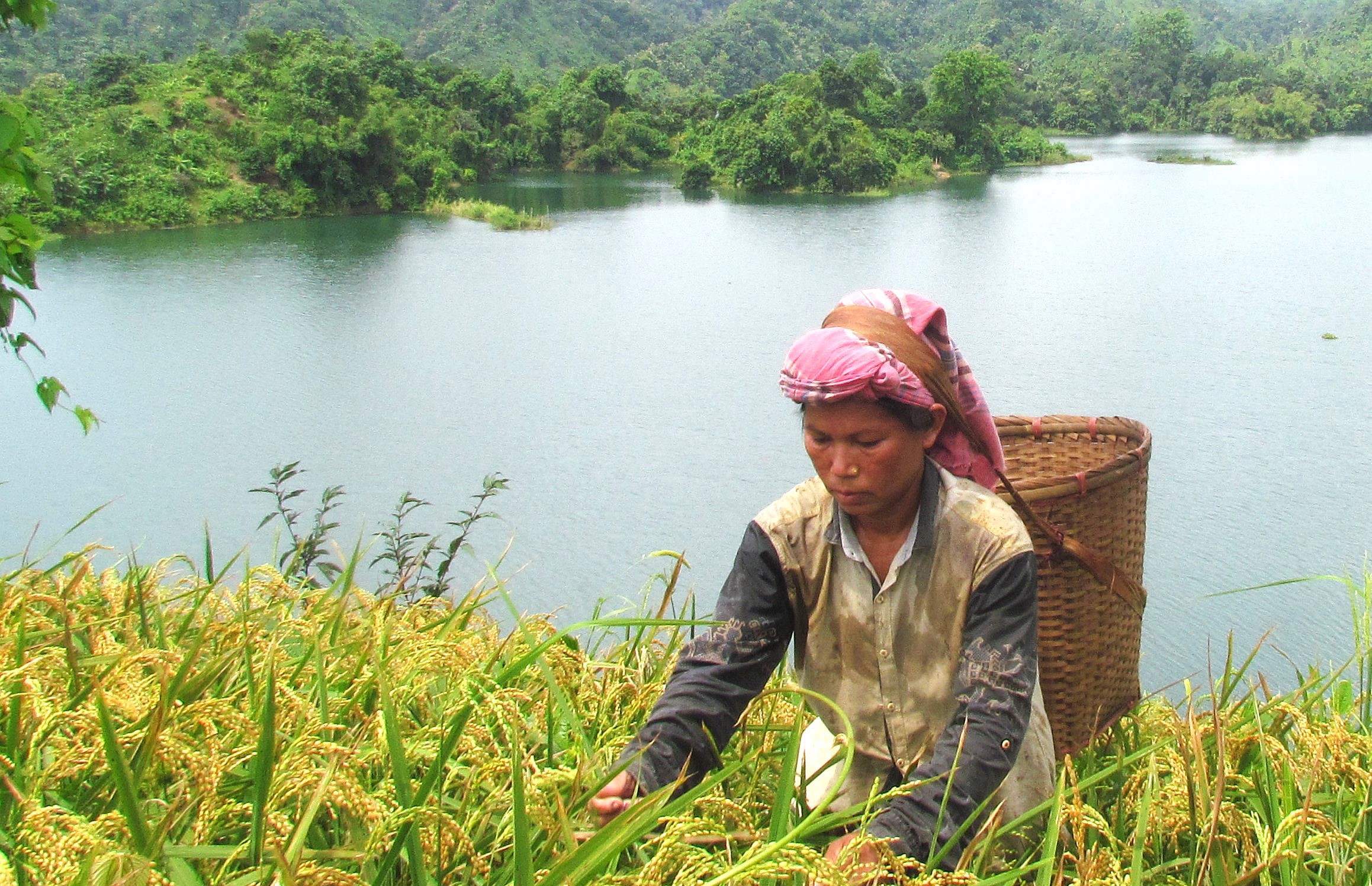
Women comprise 58% of the agricultural workforce, with 74% of the total female labor force engaged in agriculture (Labor Force Survey 2022). However, the state has never prioritized issues surrounding agricultural women's empowerment—especially their access to and rights over land and agricultural resources. Additionally, because of this continued institutional negligence, interest among youth and young adults in agriculture is declining. Currently, 75-78% of ongoing cases in the judiciary are related to land disputes, and research indicates that 50-60% of violence against rural women is linked to land resource conflicts.
Bangladesh is home to approximately 4 million indigenous people, a quarter of whom reside in the Chittagong Hill Tracts. Most of these individuals depend on land and forests for their livelihoods; however, their land rights are inadequately protected due to the lack of state recognition of their customary rights. While some degree of recognition exists in the hill areas, the indigenous peoples in the plains are deprived of these rights. On the other hand, a significant portion of the country's religious minority citizens has historically experienced deprivation due to the infamous Enemy/Vested Property Act. While this law was repealed in 2001 to facilitate the return of properties, the process has been slow and has endured for 23 years. Communal attacks and violence against minority groups, both religious and ethnic, have been triggered by various events, particularly elections, religious festivals, political changes like recent one and even posts on social media.
According to FAO estimates, family farming accounts for 80% of the world's food supply. Similarly, in Bangladesh, family farms and smallholder farmers contribute significantly to food production, accounting for over 80% of the country's food grain supply. The annual economic value of agricultural products—including grains, vegetables, fish, and meat produced by farmers, fishers, and livestock breeders—amounts to at least 102 billion dollars. Despite this significant contribution, most of these individuals lack access to land, agricultural loans, insurance, and other essential services. They are denied fair prices for their hard-earned produce and are subject to crop losses due to natural disasters and the impacts of climate change. They face exploitation by domestic and foreign companies supplying seeds, pesticides, and agricultural equipment. Most critically, their land rights are violated. Moreover, the state consistently ignores their need for protection. Additionally, there are no effective measures to address the harassment and suffering they face, including the substantial financial burdens, in the context of land dispute resolutions.
Landlessness, crop losses due to natural disasters and climate change, the inability to secure employment, and a lack of financial assistance for agricultural activities are forcing countless farming families to migrate to cities and seek refuge in urban slums. To transform this situation, it is essential to effectively redistribute surplus ceiling land and khas land among the landless. Additionally, providing agricultural loans, insurance services, and support for addressing the impacts of climate change—as well as implementing disaster prevention and rehabilitation efforts—must be properly managed. In other words, enacting land and agricultural reforms is crucial for tackling the challenges of unhealthy and unbalanced urbanization.
Call to Action:
Farmers in Bangladesh have historically faced exploitation, highlighting the urgent need for reform in land governance and agricultural management to protect their rights. These reforms are essential for securing farmers’ land rights, ensuring fair prices for their produce, and providing access to vital resources. Implementing these changes will create a more equitable agricultural system, benefiting farmers, strengthening the economy, and enhancing food security. Supporting these reforms is crucial in granting farmers the dignity and rights they deserve, allowing them to contribute positively to society and improve their livelihoods. Comprehensive reforms and improvements in land governance are essential.
Therefore, we, the undersigned, call upon the interim government to:
- Establish a Separate Commission for land and agricultural reform to address these urgent challenges effectively.
- Appoint an Independent Advisor to run the Ministry of Land and Agriculture and tasked with overseeing the implementation of land and agricultural reforms, ensuring accountability and effectiveness in executing these reforms.
Together, let us advocate for farmers' rights over land, water and other productive resources to restore justice in land management across Bangladesh!
........................................................................................................................
বাংলাদেশে ভূমি ও কৃষি খাতের সংস্কারের জন্য অনলাইন পিটিশন
ড. মুহাম্মদ ইউনূস,
মাননীয় প্রধান উপদেষ্টা,
গণপ্রজাতন্ত্রী বাংলাদেশ সরকার
বিষয়: ভূমি ও কৃষি ব্যবস্থাপনার সংস্কার-এর জন্য অবিলম্বে পৃথক কমিশন ও স্বতন্ত্র উপদেষ্টা নিয়োগ দিন
নিবেদন সংক্ষেপ:
আমরা, নিম্নস্বাক্ষরকারীগণ, অবিলম্বে ভূমি ও কৃষি সংস্কার বিষয়ে অন্তর্বর্তীকালীন সরকারের একটি পৃথক কমিশন গঠন এবং ভূমি ও কৃষি মন্ত্রণালয়ের জন্য একজন স্বতন্ত্র উপদেষ্টা নিয়োগের আহ্বান জানাচ্ছি এবং বাংলাদেশের কৃষকদের দাবির প্রতি আমাদের সংহতি প্রকাশ করছি।
পটভূমি:
কৃষিপ্রধান বাংলাদেশে ভূমি অর্থাৎ জমি ও জলার গুরুত্ব অপরিসীম। ভূমি আমাদের রাষ্ট্রীয়, অর্থনৈতিক ও সামাজিক কর্মকাণ্ড ও পরিষেবার মূল ভিত্তি এবং বাস্তুতন্ত্র, জীববৈচিত্র্য, সংস্কৃতি ও সভ্যতার আধার। জনমানুষের রাজনৈতিক-অর্থনৈতিক-সামাজিক ক্ষমতার মূলে আছে এ জমি। অন্যদিকে কৃষি বাংলাদেশের অর্থনীতির প্রধান কর্মকাণ্ড ও চালিকাশক্তি। বিপুল জনগোষ্ঠীর জীবিকার প্রশ্নে কৃষির (ফসল, মৎস, প্রাণিসম্পদ ও বন) গুরুত্ব সর্বাধিক। শ্রমশক্তি জরিপ ২০২২ অনুসারে দেশের মোট শ্রমশক্তির প্রায় অর্ধেক (৪৫.৪%) কৃষিতে নিয়োজিত। দেশের খাদ্য ও পুষ্টি নিরাপত্তা, কর্মসংস্থান ও গ্রামীণ অর্থনীতির প্রাণশক্তি এবং সমগ্র দেশের অর্থনীতির মেরুদণ্ড হলেও এ খাত ঐতিহাসিকভাবে অবহেলিত। ভূমিনির্ভর জনগোষ্ঠীর ৫৫ শতাংশের বেশি কার্যতঃ ভূমিহীন। কৃষিজীবী, জলাজীবী, বনজীবীরা প্রায় সবাই ভূমিহীন; এমনকি জমিতে তাদের অভিগম্যতাটুকুও দিন দিন কমে যাচ্ছে।
আমাদের দেশের কৃষি শ্রমশক্তির ৫৮ শতাংশই নারী এবং মোট নারী শ্রমশক্তির সিংহভাগই (৭৪%) কৃষিতে নিয়োজিত (শ্রমশক্তি জরিপ ২০২২)। এরপরও নারীর ক্ষমতায়নের প্রশ্নে ভূমি ও কৃষিতে তাদের অভিগম্যতা ও অধিকার নিশ্চিত করার বিষয়টি রাষ্ট্রীয়ভাবে কখনোই গুরুত্ব পায়নি। একইসাথে কৃষি থেকে প্রতিনিয়ত যুব ও তরুণরা আগ্রহ হারাচ্ছে। দেশের বিচারিক আদালতে চলমান ৭৫-৭৮% মামলাই ভূমি-বিরোধ কেন্দ্রিক। এটাও গবেষণা থেকে প্রাপ্ত যে গ্রামীণ নারীর প্রতি সহিংসতা ও নারী নির্যাতনের ৫০-৬০% ভূমি সম্পদ দখল কেন্দ্রিক।
বাংলাদেশে প্রায় ৪০ লক্ষ আদিবাসী রয়েছেন যাদের এক চতুর্থাংশের বাস পার্বত্য চট্টগ্রামে। আদিবাসীদের অধিকাংশই এখনো ভূমি ও বনের ওপর নির্ভরশীল কিন্তু তাদের ভূমি স্বত্ত্ব সুরক্ষিত নয় কারণ রাষ্ট্রীয়ভাবে ভূমি ও বনে আদিবাসীদের প্রথাগত অধিকারের স্বীকৃতি নেই। পাহাড়ে আংশিক স্বীকৃতি থাকলেও সমতলের বিপুল আদিবাসী জনগোষ্ঠী একেবারেই তাদের এ অধিকার থেকে বঞ্চিত। অন্যদিকে দেশের ধর্মীয় সংখ্যালঘু নাগরিকদের বড় অংশ কুখ্যাত শত্রু/অর্পিত সম্পত্তি আইনের প্রভাবে ঐতিহাসিকভাবে বঞ্চনার শিকার। ২০০১ সালে সে আইন বাতিল করে সম্পত্তি ফেরত দেবার বিধান করা হলেও সে প্রক্রিয়া ২৩ বছর ধরে মন্থর গতিতে চলছে। নানা উপলক্ষে বিশেষত নির্বাচন, ধর্মীয় উৎসব এমনকি সামাজিক মাধ্যমের পোস্ট ধরেও সংখ্যালঘুদের ওপর সাম্প্রদায়িক হামলা-নির্যাতন চলেছে।
সারা বিশ্বের খাদ্যের ৮০ শতাংশের যোগান আসে পারিবারিক কৃষি থেকে। বাংলাদেশেও পারিবারিক ও ক্ষুদ্র জোতের কৃষকরাই খাদ্য শস্যের ৮০ শতাংশের বেশি উৎপাদন করে থাকেন। সারা বছর কৃষক সমাজ, মৎসজীবী, পশু-হাসমুরগী পালনকারী জনগোষ্ঠী যে কৃষিজাত পণ্য, খাদ্যশস্য, শাকসব্জি, মাছ, মাংস ইত্যাদি যে পরিমাণে উৎপাদন করেন তার আর্থিক মূল্য ডলারে কমপক্ষে ১০২ বিলিয়ন। অথচ তাদের অধিকাংশেরই নিজস্ব কৃষিজমি নেই, নেই কৃষিঋণ, কৃষিবীমা ও অন্যান্য সেবায় অভিগম্যতা। তাদের কষ্টার্জিত ফসলের ন্যায্যমূল্য থেকে বঞ্চিত করা হয় এবং তারা প্রাকৃতিক দুর্যোগ ও জলবায়ু পরিবর্তনের প্রভাবে ফসলহানির শিকার হন, দেশি-বিদেশী বীজ, কীটনাশক ও কৃষিসরঞ্জাম কোম্পানির দ্বারা শোষিত হন এবং সর্বোপরি ভূমির অধিকার থেকে বঞ্চিত হন। তাদের সুরক্ষার বিষয়টি রাষ্ট্রীয়ভাবে উপেক্ষিত। অন্যদিকে, ভূমি বিরোধের বিচারের ক্ষেত্রে তারা বিপুল অর্থব্যয়সহ যে হয়রানি ও ভোগান্তির মুখোমুখি হন, সেটির প্রতিকারের জন্য কার্যকর কোনো উদ্যোগ নেই।
ভূমিহীনতা, প্রাকৃতিক দুর্যোগসহ জলবায়ু পরিবর্তনের প্রভাবে ফসলহানি, কাজ না পাওয়া কিংবা কৃষিকাজ চালিয়ে যাবার মতো ঋণ সহযোগিতা না পেয়ে অগণিত কৃষিজীবী মানুষ বাধ্য হয়ে শহরমুখী হন এবং শহরের বস্তিগুলোতে এসে আশ্রয় নেন। সিলিং উদ্বৃত্ত জমি ও খাসজমি উদ্ধার করে ভূমিহীনদের মধ্যে সঠিকভাবে বিতরণ করা হলে এবং কৃষিঋণ, কৃষিবীমাসহ বিমা সেবা ও জলবায়ু পরিবর্তনের প্রভাব মোকাবেলা সহযোগিতা ও দুর্যোগ প্রতিরোধ ও পুণর্বাসন প্রক্রিয়া যথাযথভাবে পরিচালিত হলে এই চিত্র পাল্টানো যেত। অর্থাৎ অসুস্থ ও ভারসাম্যহীন নগরায়ন মোকাবেলার জন্যেও ভূমি ও কৃষি সংস্কার অপরিহার্য।
পরিবর্তনের আহ্বান:
বাংলাদেশের কৃষকরা ঐতিহাসিকভাবে শোষণের শিকার হয়ে আসছেন। তাদের অধিকার রক্ষার জন্য ভূমি প্রশাসন এবং কৃষি ব্যবস্থাপনায় জরুরি ভিত্তিতে সংস্কার প্রয়োজন। এই সংস্কারগুলি কৃষকদের জমির অধিকার সুরক্ষিত করতে, তাদের উৎপাদিত পণ্যের ন্যায্যমূল্য নিশ্চিত করতে এবং অত্যাবশ্যক সম্পদে প্রবেশাধিকার প্রদানের জন্য অপরিহার্য। এই পরিবর্তনগুলি বাস্তবায়নের ফলে একটি ন্যায়সঙ্গত কৃষি ব্যবস্থা তৈরি হবে, কৃষকরা উপকৃত হবে, অর্থনীতিকে শক্তিশালী করবে এবং খাদ্য নিরাপত্তা বৃদ্ধি করবে। কৃষকদের তাদের প্রাপ্য মর্যাদা ও অধিকার নিশ্চিতের জন্য এই সংস্কারগুলো অত্যন্ত গুরুত্বপূর্ণ, যাতে তারা সমাজে ইতিবাচকভাবে অবদান রাখতে এবং তাদের জীবনযাত্রার উন্নতি করতে পারে। সুতরাং, ভূমি শাসনে ব্যাপক সংস্কার ও উন্নয়ন অপরিহার্য।
সার্বিকভাবে এ বঞ্চনা ও বৈষম্য দূর করার জন্য ভূমি ন্যায়বিচার নিশ্চিত করার বিষয়টি এখন সময়ের দাবি। ভূমি ন্যায়বিচার নিশ্চিত করতে হলে ল্যান্ড গভর্নেন্স বা ভূমি সুশাসন ব্যবস্থার সংস্কার ও উন্নয়ন প্রয়োজন।
তাই আমরা নিম্নস্বাক্ষরকারীগণ সার্বিক অবস্থা বিবেচনায়
১.ভূমি ও কৃষি সংস্কারের জন্য অন্তবর্তীকালীন সরকারের পৃথক একটি কমিশন গঠন করার দাবি জানাচ্ছি। এবং
২.সংস্কার বাস্তবায়নের জন্য শুধুমাত্র ভূমি ও কৃষি মন্ত্রণালয়ের জন্য একজন স্বতন্ত্র উপদেষ্টা হিসেবে নিয়োগ দেয়ার দাবি জানাই।
আসুন একসাথে, আমরা সারা বাংলাদেশে ভূমি ব্যবস্থাপনায় ন্যায়বিচার প্রতিষ্ঠিত করতে ভূমি, জল এবং অন্যান্য উৎপাদনশীল সম্পদের উপর কৃষকদের অধিকারের পক্ষে আওয়াজ তুলি!
[ This petition has been launched by the Association for Land Reform and Development (ALRD), Manabadhikar Shongskriti Foundation (MSF), Nijera Kori, Bangladesh Environmental Lawyers Association (BELA), INCIDIN Bangladesh, Bangladesh Resource Center for Indigenous Knowledge (BARCIK), Bangladesh Legal Aid and Services Trust (BLAST), Kapaeeng Foundation, Bangladesh Indigenous Peoples’ Forum, Jatiya Adivasi Parishad (JAP), and the Bangladesh Hindu Buddhist Christian Unity Council.]

1,550
The Issue
To:
Dr. Muhammad Yunus,
Honorable Chief Advisor,
Government of the People's Republic of Bangladesh.
Copy:
- A. F. Hassan Ariff, Honorable Advisor, Ministry of Land and Ministry of Local Government, Rural Development and Co-operatives.
- Syeda Rizwana Hasan, Honorable Advisor, Ministry of Water Resources and Ministry of Environment, Forest and Climate Change.
- Dr. Asif Nazrul, Honorable Advisor, Ministry of Law, Justice and Parliamentary Affairs, Ministry of Expatriates' Welfare & Overseas Employment and Ministry of Cultural Affairs.
Subject: Demand for Immediate Formation of a Separate Commission and Appointment of an Independent Advisor to run the Ministry of Land and Agriculture.
Petition Statement: We, the undersigned, urgently call for establishing a separate commission and appointing an independent advisor dedicated to the ministry of land and agriculture in Bangladesh and express our solidarity with the farmers of Bangladesh.
Background:
In an agrarian nation like Bangladesh, the significance of land—including both terrestrial and aquatic resources—is fundamental. Land is the bedrock of our national, economic, and social activities, underpinning our ecosystems, biodiversity, culture, and civilization. The political, economic, and social power of the populace is inherently connected to land. Agriculture is the primary sector driving the Bangladeshi economy, playing a crucial role in the livelihoods of a large portion of the population.
According to the Labor Force Survey 2022, nearly half (45.4%) of the total workforce is engaged in agriculture. Despite its vital contributions to food security, nutrition, employment, and the rural economy, the agricultural sector has been historically neglected. Over 55% of land-dependent households are de facto landless. At the same time, almost all individuals reliant on agriculture, aquaculture, and forestry lack access to land, with this situation deteriorating daily.
Women comprise 58% of the agricultural workforce, with 74% of the total female labor force engaged in agriculture (Labor Force Survey 2022). However, the state has never prioritized issues surrounding agricultural women's empowerment—especially their access to and rights over land and agricultural resources. Additionally, because of this continued institutional negligence, interest among youth and young adults in agriculture is declining. Currently, 75-78% of ongoing cases in the judiciary are related to land disputes, and research indicates that 50-60% of violence against rural women is linked to land resource conflicts.
Bangladesh is home to approximately 4 million indigenous people, a quarter of whom reside in the Chittagong Hill Tracts. Most of these individuals depend on land and forests for their livelihoods; however, their land rights are inadequately protected due to the lack of state recognition of their customary rights. While some degree of recognition exists in the hill areas, the indigenous peoples in the plains are deprived of these rights. On the other hand, a significant portion of the country's religious minority citizens has historically experienced deprivation due to the infamous Enemy/Vested Property Act. While this law was repealed in 2001 to facilitate the return of properties, the process has been slow and has endured for 23 years. Communal attacks and violence against minority groups, both religious and ethnic, have been triggered by various events, particularly elections, religious festivals, political changes like recent one and even posts on social media.
According to FAO estimates, family farming accounts for 80% of the world's food supply. Similarly, in Bangladesh, family farms and smallholder farmers contribute significantly to food production, accounting for over 80% of the country's food grain supply. The annual economic value of agricultural products—including grains, vegetables, fish, and meat produced by farmers, fishers, and livestock breeders—amounts to at least 102 billion dollars. Despite this significant contribution, most of these individuals lack access to land, agricultural loans, insurance, and other essential services. They are denied fair prices for their hard-earned produce and are subject to crop losses due to natural disasters and the impacts of climate change. They face exploitation by domestic and foreign companies supplying seeds, pesticides, and agricultural equipment. Most critically, their land rights are violated. Moreover, the state consistently ignores their need for protection. Additionally, there are no effective measures to address the harassment and suffering they face, including the substantial financial burdens, in the context of land dispute resolutions.
Landlessness, crop losses due to natural disasters and climate change, the inability to secure employment, and a lack of financial assistance for agricultural activities are forcing countless farming families to migrate to cities and seek refuge in urban slums. To transform this situation, it is essential to effectively redistribute surplus ceiling land and khas land among the landless. Additionally, providing agricultural loans, insurance services, and support for addressing the impacts of climate change—as well as implementing disaster prevention and rehabilitation efforts—must be properly managed. In other words, enacting land and agricultural reforms is crucial for tackling the challenges of unhealthy and unbalanced urbanization.
Call to Action:
Farmers in Bangladesh have historically faced exploitation, highlighting the urgent need for reform in land governance and agricultural management to protect their rights. These reforms are essential for securing farmers’ land rights, ensuring fair prices for their produce, and providing access to vital resources. Implementing these changes will create a more equitable agricultural system, benefiting farmers, strengthening the economy, and enhancing food security. Supporting these reforms is crucial in granting farmers the dignity and rights they deserve, allowing them to contribute positively to society and improve their livelihoods. Comprehensive reforms and improvements in land governance are essential.
Therefore, we, the undersigned, call upon the interim government to:
- Establish a Separate Commission for land and agricultural reform to address these urgent challenges effectively.
- Appoint an Independent Advisor to run the Ministry of Land and Agriculture and tasked with overseeing the implementation of land and agricultural reforms, ensuring accountability and effectiveness in executing these reforms.
Together, let us advocate for farmers' rights over land, water and other productive resources to restore justice in land management across Bangladesh!
........................................................................................................................
বাংলাদেশে ভূমি ও কৃষি খাতের সংস্কারের জন্য অনলাইন পিটিশন
ড. মুহাম্মদ ইউনূস,
মাননীয় প্রধান উপদেষ্টা,
গণপ্রজাতন্ত্রী বাংলাদেশ সরকার
বিষয়: ভূমি ও কৃষি ব্যবস্থাপনার সংস্কার-এর জন্য অবিলম্বে পৃথক কমিশন ও স্বতন্ত্র উপদেষ্টা নিয়োগ দিন
নিবেদন সংক্ষেপ:
আমরা, নিম্নস্বাক্ষরকারীগণ, অবিলম্বে ভূমি ও কৃষি সংস্কার বিষয়ে অন্তর্বর্তীকালীন সরকারের একটি পৃথক কমিশন গঠন এবং ভূমি ও কৃষি মন্ত্রণালয়ের জন্য একজন স্বতন্ত্র উপদেষ্টা নিয়োগের আহ্বান জানাচ্ছি এবং বাংলাদেশের কৃষকদের দাবির প্রতি আমাদের সংহতি প্রকাশ করছি।
পটভূমি:
কৃষিপ্রধান বাংলাদেশে ভূমি অর্থাৎ জমি ও জলার গুরুত্ব অপরিসীম। ভূমি আমাদের রাষ্ট্রীয়, অর্থনৈতিক ও সামাজিক কর্মকাণ্ড ও পরিষেবার মূল ভিত্তি এবং বাস্তুতন্ত্র, জীববৈচিত্র্য, সংস্কৃতি ও সভ্যতার আধার। জনমানুষের রাজনৈতিক-অর্থনৈতিক-সামাজিক ক্ষমতার মূলে আছে এ জমি। অন্যদিকে কৃষি বাংলাদেশের অর্থনীতির প্রধান কর্মকাণ্ড ও চালিকাশক্তি। বিপুল জনগোষ্ঠীর জীবিকার প্রশ্নে কৃষির (ফসল, মৎস, প্রাণিসম্পদ ও বন) গুরুত্ব সর্বাধিক। শ্রমশক্তি জরিপ ২০২২ অনুসারে দেশের মোট শ্রমশক্তির প্রায় অর্ধেক (৪৫.৪%) কৃষিতে নিয়োজিত। দেশের খাদ্য ও পুষ্টি নিরাপত্তা, কর্মসংস্থান ও গ্রামীণ অর্থনীতির প্রাণশক্তি এবং সমগ্র দেশের অর্থনীতির মেরুদণ্ড হলেও এ খাত ঐতিহাসিকভাবে অবহেলিত। ভূমিনির্ভর জনগোষ্ঠীর ৫৫ শতাংশের বেশি কার্যতঃ ভূমিহীন। কৃষিজীবী, জলাজীবী, বনজীবীরা প্রায় সবাই ভূমিহীন; এমনকি জমিতে তাদের অভিগম্যতাটুকুও দিন দিন কমে যাচ্ছে।
আমাদের দেশের কৃষি শ্রমশক্তির ৫৮ শতাংশই নারী এবং মোট নারী শ্রমশক্তির সিংহভাগই (৭৪%) কৃষিতে নিয়োজিত (শ্রমশক্তি জরিপ ২০২২)। এরপরও নারীর ক্ষমতায়নের প্রশ্নে ভূমি ও কৃষিতে তাদের অভিগম্যতা ও অধিকার নিশ্চিত করার বিষয়টি রাষ্ট্রীয়ভাবে কখনোই গুরুত্ব পায়নি। একইসাথে কৃষি থেকে প্রতিনিয়ত যুব ও তরুণরা আগ্রহ হারাচ্ছে। দেশের বিচারিক আদালতে চলমান ৭৫-৭৮% মামলাই ভূমি-বিরোধ কেন্দ্রিক। এটাও গবেষণা থেকে প্রাপ্ত যে গ্রামীণ নারীর প্রতি সহিংসতা ও নারী নির্যাতনের ৫০-৬০% ভূমি সম্পদ দখল কেন্দ্রিক।
বাংলাদেশে প্রায় ৪০ লক্ষ আদিবাসী রয়েছেন যাদের এক চতুর্থাংশের বাস পার্বত্য চট্টগ্রামে। আদিবাসীদের অধিকাংশই এখনো ভূমি ও বনের ওপর নির্ভরশীল কিন্তু তাদের ভূমি স্বত্ত্ব সুরক্ষিত নয় কারণ রাষ্ট্রীয়ভাবে ভূমি ও বনে আদিবাসীদের প্রথাগত অধিকারের স্বীকৃতি নেই। পাহাড়ে আংশিক স্বীকৃতি থাকলেও সমতলের বিপুল আদিবাসী জনগোষ্ঠী একেবারেই তাদের এ অধিকার থেকে বঞ্চিত। অন্যদিকে দেশের ধর্মীয় সংখ্যালঘু নাগরিকদের বড় অংশ কুখ্যাত শত্রু/অর্পিত সম্পত্তি আইনের প্রভাবে ঐতিহাসিকভাবে বঞ্চনার শিকার। ২০০১ সালে সে আইন বাতিল করে সম্পত্তি ফেরত দেবার বিধান করা হলেও সে প্রক্রিয়া ২৩ বছর ধরে মন্থর গতিতে চলছে। নানা উপলক্ষে বিশেষত নির্বাচন, ধর্মীয় উৎসব এমনকি সামাজিক মাধ্যমের পোস্ট ধরেও সংখ্যালঘুদের ওপর সাম্প্রদায়িক হামলা-নির্যাতন চলেছে।
সারা বিশ্বের খাদ্যের ৮০ শতাংশের যোগান আসে পারিবারিক কৃষি থেকে। বাংলাদেশেও পারিবারিক ও ক্ষুদ্র জোতের কৃষকরাই খাদ্য শস্যের ৮০ শতাংশের বেশি উৎপাদন করে থাকেন। সারা বছর কৃষক সমাজ, মৎসজীবী, পশু-হাসমুরগী পালনকারী জনগোষ্ঠী যে কৃষিজাত পণ্য, খাদ্যশস্য, শাকসব্জি, মাছ, মাংস ইত্যাদি যে পরিমাণে উৎপাদন করেন তার আর্থিক মূল্য ডলারে কমপক্ষে ১০২ বিলিয়ন। অথচ তাদের অধিকাংশেরই নিজস্ব কৃষিজমি নেই, নেই কৃষিঋণ, কৃষিবীমা ও অন্যান্য সেবায় অভিগম্যতা। তাদের কষ্টার্জিত ফসলের ন্যায্যমূল্য থেকে বঞ্চিত করা হয় এবং তারা প্রাকৃতিক দুর্যোগ ও জলবায়ু পরিবর্তনের প্রভাবে ফসলহানির শিকার হন, দেশি-বিদেশী বীজ, কীটনাশক ও কৃষিসরঞ্জাম কোম্পানির দ্বারা শোষিত হন এবং সর্বোপরি ভূমির অধিকার থেকে বঞ্চিত হন। তাদের সুরক্ষার বিষয়টি রাষ্ট্রীয়ভাবে উপেক্ষিত। অন্যদিকে, ভূমি বিরোধের বিচারের ক্ষেত্রে তারা বিপুল অর্থব্যয়সহ যে হয়রানি ও ভোগান্তির মুখোমুখি হন, সেটির প্রতিকারের জন্য কার্যকর কোনো উদ্যোগ নেই।
ভূমিহীনতা, প্রাকৃতিক দুর্যোগসহ জলবায়ু পরিবর্তনের প্রভাবে ফসলহানি, কাজ না পাওয়া কিংবা কৃষিকাজ চালিয়ে যাবার মতো ঋণ সহযোগিতা না পেয়ে অগণিত কৃষিজীবী মানুষ বাধ্য হয়ে শহরমুখী হন এবং শহরের বস্তিগুলোতে এসে আশ্রয় নেন। সিলিং উদ্বৃত্ত জমি ও খাসজমি উদ্ধার করে ভূমিহীনদের মধ্যে সঠিকভাবে বিতরণ করা হলে এবং কৃষিঋণ, কৃষিবীমাসহ বিমা সেবা ও জলবায়ু পরিবর্তনের প্রভাব মোকাবেলা সহযোগিতা ও দুর্যোগ প্রতিরোধ ও পুণর্বাসন প্রক্রিয়া যথাযথভাবে পরিচালিত হলে এই চিত্র পাল্টানো যেত। অর্থাৎ অসুস্থ ও ভারসাম্যহীন নগরায়ন মোকাবেলার জন্যেও ভূমি ও কৃষি সংস্কার অপরিহার্য।
পরিবর্তনের আহ্বান:
বাংলাদেশের কৃষকরা ঐতিহাসিকভাবে শোষণের শিকার হয়ে আসছেন। তাদের অধিকার রক্ষার জন্য ভূমি প্রশাসন এবং কৃষি ব্যবস্থাপনায় জরুরি ভিত্তিতে সংস্কার প্রয়োজন। এই সংস্কারগুলি কৃষকদের জমির অধিকার সুরক্ষিত করতে, তাদের উৎপাদিত পণ্যের ন্যায্যমূল্য নিশ্চিত করতে এবং অত্যাবশ্যক সম্পদে প্রবেশাধিকার প্রদানের জন্য অপরিহার্য। এই পরিবর্তনগুলি বাস্তবায়নের ফলে একটি ন্যায়সঙ্গত কৃষি ব্যবস্থা তৈরি হবে, কৃষকরা উপকৃত হবে, অর্থনীতিকে শক্তিশালী করবে এবং খাদ্য নিরাপত্তা বৃদ্ধি করবে। কৃষকদের তাদের প্রাপ্য মর্যাদা ও অধিকার নিশ্চিতের জন্য এই সংস্কারগুলো অত্যন্ত গুরুত্বপূর্ণ, যাতে তারা সমাজে ইতিবাচকভাবে অবদান রাখতে এবং তাদের জীবনযাত্রার উন্নতি করতে পারে। সুতরাং, ভূমি শাসনে ব্যাপক সংস্কার ও উন্নয়ন অপরিহার্য।
সার্বিকভাবে এ বঞ্চনা ও বৈষম্য দূর করার জন্য ভূমি ন্যায়বিচার নিশ্চিত করার বিষয়টি এখন সময়ের দাবি। ভূমি ন্যায়বিচার নিশ্চিত করতে হলে ল্যান্ড গভর্নেন্স বা ভূমি সুশাসন ব্যবস্থার সংস্কার ও উন্নয়ন প্রয়োজন।
তাই আমরা নিম্নস্বাক্ষরকারীগণ সার্বিক অবস্থা বিবেচনায়
১.ভূমি ও কৃষি সংস্কারের জন্য অন্তবর্তীকালীন সরকারের পৃথক একটি কমিশন গঠন করার দাবি জানাচ্ছি। এবং
২.সংস্কার বাস্তবায়নের জন্য শুধুমাত্র ভূমি ও কৃষি মন্ত্রণালয়ের জন্য একজন স্বতন্ত্র উপদেষ্টা হিসেবে নিয়োগ দেয়ার দাবি জানাই।
আসুন একসাথে, আমরা সারা বাংলাদেশে ভূমি ব্যবস্থাপনায় ন্যায়বিচার প্রতিষ্ঠিত করতে ভূমি, জল এবং অন্যান্য উৎপাদনশীল সম্পদের উপর কৃষকদের অধিকারের পক্ষে আওয়াজ তুলি!
[ This petition has been launched by the Association for Land Reform and Development (ALRD), Manabadhikar Shongskriti Foundation (MSF), Nijera Kori, Bangladesh Environmental Lawyers Association (BELA), INCIDIN Bangladesh, Bangladesh Resource Center for Indigenous Knowledge (BARCIK), Bangladesh Legal Aid and Services Trust (BLAST), Kapaeeng Foundation, Bangladesh Indigenous Peoples’ Forum, Jatiya Adivasi Parishad (JAP), and the Bangladesh Hindu Buddhist Christian Unity Council.]
The Decision Makers
Petition Updates
Share this petition
Petition created on 17 October 2024