
Order a statutory inquiry into abuse and silencing in the creative industries
The Issue
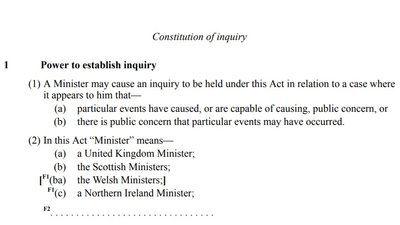
We call on the UK Government to order a statutory inquiry under the Inquiries Act 2005 into abuse, mistreatment and silencing across the UK creative industries.
The industry must not be allowed to wait for everyone to move on until the next injunction or investigation. Now must be the time for real change and accountability, with answers as to why so many of the promises made since 2017 have been broken.
Why a statutory inquiry?
By design, a statutory inquiry is independent of those it investigates, including the government. That means it can uncover facts and compel testimony without fear, with legal weight behind every request, into the actions and inactions of every industry leader, every union and every part of government.
In addition to this independence, these are several other benefits:
- It can compel organisations and individuals to hand over documents and give evidence under oath and penalty of perjury.
- Refusing or destroying evidence relevant to the inquiry is a criminal offence.
- Evidence is provided with protections equal to those in court.
- Witnesses to an inquiry are protected by privilege and enjoy protections, ensuring victims and witnesses of abuse and mistreatment can talk freely without fear of retaliation or libel action.
- Witnesses can provide evidence regardless of any non-disclosure agreement they may have signed, without fear of retaliation or legal action.
- Inquiries can take steps to protect witnesses.
Why now?
The industry has had its chance to change. But for nearly a decade, codes have been written and ignored, pledges made and forgotten, promises lauded and then broken.
Six years after the industry told us time was up, it still took journalists, not the industry, to expose Russell Brand. The BBC warned Gregg Wallace about his behaviour in 2017, and then kept him on screen for another seven years. Channel 4 investigated itself over Brand and found no one knew anything. Then came Married at First Sight.
The government promised to stop NDAs silencing victims, and took six years to do it. Parliament listened to women in music, and the government rejected every recommendation. To this day, it is interested only in listening to the industry figures who led us here, not to those who have to live with the consequences.
If the industry wanted change, we'd have it. If it was capable of change, we'd have it. It's time to stop hoping for the best and start demanding better.
Scope
An inquiry must be free to examine every part of the industry and to hear testimony from creators at every level, from students to household names, on an equal footing.
This must include the bodies that fund the industry, and the conditions they attach to that money but rarely enforce. It must include the unions that exist to protect their members, and too often have looked the other way. It must include CIISA, which deserves support, but which can never be truly independent while it relies on the industry it oversees for its funding and its authority. It needs guaranteed statutory independence and guaranteed funding.
And it must include the government itself, which has been warned again and again, and chosen not to act.
Only those with secrets to hide or silence to benefit from have a reason to fear transparency.

12
The Issue
We call on the UK Government to order a statutory inquiry under the Inquiries Act 2005 into abuse, mistreatment and silencing across the UK creative industries.
The industry must not be allowed to wait for everyone to move on until the next injunction or investigation. Now must be the time for real change and accountability, with answers as to why so many of the promises made since 2017 have been broken.
Why a statutory inquiry?
By design, a statutory inquiry is independent of those it investigates, including the government. That means it can uncover facts and compel testimony without fear, with legal weight behind every request, into the actions and inactions of every industry leader, every union and every part of government.
In addition to this independence, these are several other benefits:
- It can compel organisations and individuals to hand over documents and give evidence under oath and penalty of perjury.
- Refusing or destroying evidence relevant to the inquiry is a criminal offence.
- Evidence is provided with protections equal to those in court.
- Witnesses to an inquiry are protected by privilege and enjoy protections, ensuring victims and witnesses of abuse and mistreatment can talk freely without fear of retaliation or libel action.
- Witnesses can provide evidence regardless of any non-disclosure agreement they may have signed, without fear of retaliation or legal action.
- Inquiries can take steps to protect witnesses.
Why now?
The industry has had its chance to change. But for nearly a decade, codes have been written and ignored, pledges made and forgotten, promises lauded and then broken.
Six years after the industry told us time was up, it still took journalists, not the industry, to expose Russell Brand. The BBC warned Gregg Wallace about his behaviour in 2017, and then kept him on screen for another seven years. Channel 4 investigated itself over Brand and found no one knew anything. Then came Married at First Sight.
The government promised to stop NDAs silencing victims, and took six years to do it. Parliament listened to women in music, and the government rejected every recommendation. To this day, it is interested only in listening to the industry figures who led us here, not to those who have to live with the consequences.
If the industry wanted change, we'd have it. If it was capable of change, we'd have it. It's time to stop hoping for the best and start demanding better.
Scope
An inquiry must be free to examine every part of the industry and to hear testimony from creators at every level, from students to household names, on an equal footing.
This must include the bodies that fund the industry, and the conditions they attach to that money but rarely enforce. It must include the unions that exist to protect their members, and too often have looked the other way. It must include CIISA, which deserves support, but which can never be truly independent while it relies on the industry it oversees for its funding and its authority. It needs guaranteed statutory independence and guaranteed funding.
And it must include the government itself, which has been warned again and again, and chosen not to act.
Only those with secrets to hide or silence to benefit from have a reason to fear transparency.
The Decision Makers

Petition Updates
Share this petition
Petition created on 25 November 2026