Important NJ Transit Update and Information for Riders With Disabilities

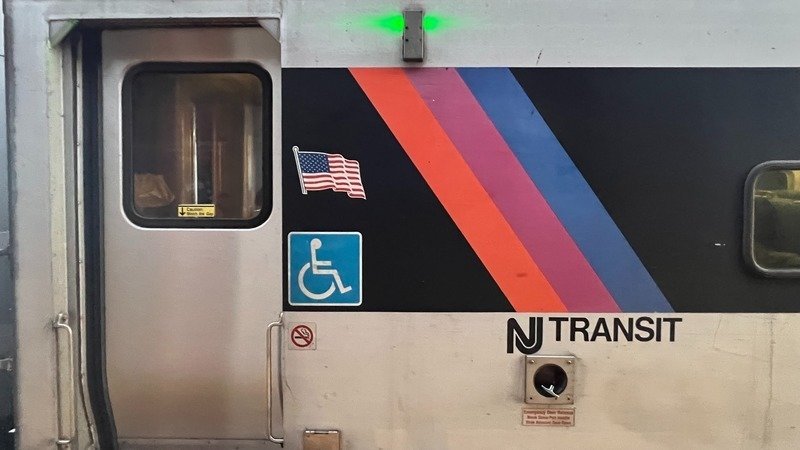
NJ Transit continues to resist calls for a mask car. If you have a disability that informs your need for a mask car on NJ Transit trains, consider calling 973-275-5555 to contact NJ Transit’s Office of Civil Rights and Diversity Programs or writing to:
NJ TRANSIT
Office of Civil Rights and Diversity Programs
Attn: Title VI/ADA
One Penn Plaza East
Newark, NJ 07105
You can also use NJ Transit’s Customer Service contact form at: https://njtransit.secure.force.com/customerservice/site_app#/contactus.
In addition, if you have already made a request for a reasonable accommodation or modification during the public comment period at any NJ Transit Board of Directors meeting, be sure to mention it to NJ Transit’s Office of Civil Rights and Diversity Programs.
Doing so is crucial in light of the update the NJ Transit Board of Directors gave yesterday: See https://www.nj.com/news/2022/10/nj-transit-knocks-rider-idea-to-designate-mask-friendly-cars-on-trains.html for details.
The federal Americans with Disabilities Act (ADA) and New Jersey’s Law Against Discrimination require public transit agencies to provide reasonable accommodations to give people with disabilities access to their facilities, goods and services, unless needed accommodations would impose an undue hardship on their operations.
Remember that disabilities are broadly defined under the ADA and include “a physical or mental impairment that substantially limits one or more major life activities, a person who has a history or record of such an impairment, or a person who is perceived by others as having such an impairment. The ADA does not specifically name all of the impairments that are covered.” See https://www.ada.gov/ada_intro.htm.
Here’s an overview of requests for reasonable accommodations and modifications from the ADA National Network (https://adata.org/factsheet/ADA-reasonable-transport-mods):
Requests for modifications
Transit Provider’s Responsibilities:
- Provide information to the public in accessible formats about the process for requesting reasonable modification.
- Clearly state the eligibility requirements, the timeline for requesting modifications, and the complaint process.
- Provide several accessible ways to request the reasonable modification—for example, through phone, email, TTY or on the transit provider’s website
Inform rider of decision to grant or deny request.
Rider’s Responsibilities:
- Provide a clear description of the modification needed to use the transportation service (for example, relocating a bus stop to the next block if the current location is inaccessible).
- Make the modification request as far in advance as possible, particularly when there is a long-term problem. For example, there is no accessible bus stop, the ramp to the passenger’s front door is too steep to be picked up at the front, construction blocks the regular route, etc. Advance requests can be made at any time during the eligibility determination, reservation, or complaint process.
Finally, please note that this does not constitute legal advice. Instead, it is provided for general informational purposes. If at any time you believe you may have a legal claim under an applicable disability law or have questions about these laws, you may want to consider consulting a lawyer with expertise in the field.