
No a la destrucción del karst de Ruesga
El problema
(English version below.)
El 13 de septiembre ha sido declarado por la UNESCO como el Día Internacional de las Cuevas y el Karst. Desde Ruesga, estamos muy preocupados por la conservación del suelo kárstico y el mundo subterráneo local debido a los tres macroproyectos energéticos propuestos en suelo kárstico: las dos plantas de baterías BESS en Fuente las Varas y el polígono eólico Sierra de Sel. Este Día Internacional de las Cuevas y el Karst, queremos rogar al Gobierno de Cantabria que tenga en cuenta la importancia del mundo subterráneo y el exokarst donde están propuestos los tres proyectos y que denieguen los permisos necesarios para ejecutarlos debido a su afectación al patrimonio kárstico de la zona.
Según la UNESCO, «Las cuevas y los paisajes kársticos cubren casi una cuarta parte de la superficie terrestre y proporcionan agua potable a más de mil millones de personas. Formados a lo largo de milenios por la lenta disolución de rocas solubles, estos entornos ocultos albergan una biodiversidad subterránea única, archivos geológicos irremplazables y largos registros de la historia y la cultura humanas. Se estima que las cuevas y las formaciones kársticas están presentes en aproximadamente entre el 15 % y el 25 % de todos los sitios designados por la UNESCO, considerando en conjunto sus redes de Geoparques Mundiales, Reservas de Biosfera y Patrimonio Mundial.»[1]
Referente a las plantas de almacenamiento energético BESS propuestas en Fuente las Varas, el BESS Cantabria 1 actualmente se encuentra en estado de información pública y se podrá hacer alegaciones durante los 20 días después de su publicación en el BOC.
Las alegaciones del Matienzo Caves Project[2][i] para el BESS Solórzano indican que los estudios del Gobierno de Cantabria sobre el proyecto no identifican la afectación al subsuelo. La subestación y BESS Solórzano se encuentran encima de cuevas del sistema de Cuatro Valles y el agua subterránea de allí entra en Los Boyones (ETAP Alto de la Cruz). No está claro cómo estos proyectos podrían afectar a las cuevas ni al agua subterránea. Además, el poljé de Matienzo, ubicado justo al sur de los proyectos propuestos, ha sido reconocido al nivel nacional como Lugar de Interés Geológico número 59001.
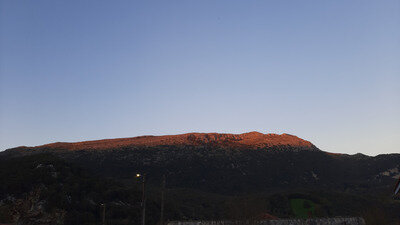
Pero la afectación al karst no solo afecta al subsuelo. Las obras propuestas para el polígono eólico Sierra de Sel provocarían un impacto enorme en el exokarst del Picón Rubrillo y la Sierra de Sel. Cualquier obra de excavación y relleno o de nivelación en un terreno kárstico es irreversible y el paisaje no puede recuperarse. Las obras mencionadas en los proyectos propuestos en Ruesga incluyen la ampliación de caminos, la nivelación del terreno y la construcción de plataformas. Estas obras suponen la destrucción de accidentes geográficos como las dolinas y los lapiaces, junto con la biota; se alteran los patrones de drenaje tanto en la superficie como en las profundidades del subsuelo; y la fauna única de las cuevas se ve afectada por los sedimentos arrastrados y la posible contaminación.
Teniendo en cuenta lo anteriormente mencionado, los abajo firmantes consideramos que el Gobierno de Cantabria no está protegiendo adecuadamente el rico patrimonio kárstico de la zona e insistimos en que deberían denegar los permisos tanto a los dos proyectos BESS (BESS Cantabria 1 y BESS Solórzano) como al PE Sierra de Sel para así garantizar la protección de nuestro patrimonio subterráneo. En el caso de otorgar los permisos necesarios para construir en esta zona kárstica, el Gobierno de Cantabria será el responsable de haber permitido su destrucción. Creemos que es una zona que debería tener una protección máxima debido a la importancia que tiene su mundo subterráneo a nivel internacional. Todos los años, espeleólogos de todo el mundo vienen a explorar las cuevas de la zona; permitir cualquier trabajo a gran escala que podría afectar al subsuelo es inadmisible.
[1] https://www.unesco.org/es/days/caves-and-karst
[2] https://matienzocaves.org.uk/windfarms-most-recent.htm
[i] Biografía del Matienzo Caves Project:
El Proyecto de Cuevas de Matienzo es una iniciativa de larga trayectoria dedicada a explorar, documentar y preservar los extensos sistemas de cuevas en y alrededor de la depresión de Matienzo en el norte de España desde la década de 1960. Operando con permisos oficiales del Gobierno de Cantabria, el proyecto realiza expediciones sistemáticas que han documentado miles de cuevas, creando un archivo digital y físico integral de topografías, fotografías, descripciones de cuevas y datos geológicos.
El proyecto sirve como un centro de colaboración internacional donde espeleólogos experimentados y novatos trabajan juntos para ampliar el conocimiento de estas formaciones kársticas únicas, promoviendo la conservación de cuevas y apoyando la investigación científica en campos como la arqueología, hidrología, biología y cambio climático.
A través de su sitio web interactivo, el Proyecto de Cuevas de Matienzo hace sus hallazgos accesibles al público, permitiendo a investigadores y entusiastas de todo el mundo beneficiarse de sus sesenta y cinco años de exploración espeleológica, mientras crea conciencia sobre la importancia de proteger estos frágiles ecosistemas subterráneos.
+++++++++++++++++++++++++++++++++++++++++++++++++++++++++++++++++++++++
The thirteenth of September has been designated by UNESCO as International Day of Caves and Karst. Here in Ruesga, we are deeply concerned about the conservation of karst terrain and the local underground environment due to the three proposed large-scale energy projects on karst terrain: the two BESS battery plants at Fuente las Varas and the Sierra de Sel wind farm. On this International Day of Caves and Karst, we would like to urge the Government of Cantabria to consider the importance of the underground environment and the exokarst where these three projects are proposed and to refuse to grant the necessary permits for their implementation due to their impact on the area’s karst.
According to UNESCO, ‘Caves and karst landscapes cover almost a quarter of the Earth’s surface and provide drinking water to over a billion people. Formed over millennia by the slow dissolution of soluble rocks, these hidden environments harbour unique underground biodiversity, irreplaceable geological archives and long records of human history and culture. It is estimated that caves and karst formations are present in approximately 15 per cent to 25 per cent of all UNESCO-designated sites, taking into account, collectively, its networks of Global Geoparks, Biosphere Reserves and World Heritage Sites.”[1]
Regarding the BESS energy storage plants proposed at Fuente las Varas, the BESS Cantabria 1 project is currently in the public consultation phase, and comments may be submitted within 20 business days of its publication in the BOC.
The objections raised by the Matienzo Caves Project[2][i] regarding BESS Solórzano indicate that the Cantabrian Government’s studies on the project fail to identify any impact on the caves. The Solórzano substation and BESS Solórzano are situated above caves in the Cuatro Valles system, and the groundwater from there flows into Los Boyones (Alto de la Cruz drinking water treatment plant). It is unclear how these projects might affect the caves or the groundwater. Furthermore, the Matienzo polje, situated just south of the proposed projects, has been recognised at national level as a Site of Geological Interest, number 59001.
However, the impact on the karst is not limited to the subsoil. The works proposed for the Sierra de Sel wind farm would have a massive impact on the exokarst of Picón Rubrillo and the Sierra de Sel. Any excavation, backfilling or levelling work on karst terrain is irreversible, and the landscape cannot recover. The work mentioned in the projects proposed for Ruesga includes the widening of roads, levelling of the ground, and the construction of platforms. These works entail the destruction of landforms such as sinkholes and limestone pavement, along with the local flora and fauna; drainage patterns are altered both on the surface and deep underground; and the unique cave fauna is affected by carried-away sediments and potential pollution.
In view of the above, we, the undersigned, consider that the Government of Cantabria is failing to adequately protect the area’s rich karst heritage, and we insist that permits should be refused for both the two BESS projects (BESS Cantabria 1 and BESS Solórzano) and the Sierra de Sel development plan, in order to ensure the protection of our caves and karst. Should the necessary permits be granted for construction in this karst area, the Government of Cantabria will be responsible for having allowed its destruction. We believe this is an area that should be afforded the highest level of protection due to the international significance of its underground world. Every year, cavers from all over the world come to explore the caves in the area; allowing any large-scale work that could affect the subsoil is unacceptable.
[1] https://www.unesco.org/es/days/caves-and-karst
[2] https://matienzocaves.org.uk/windfarms-most-recent.htm
[i] Biography of the Matienzo Caves Project:
The Matienzo Caves Project is a long-standing initiative dedicated to exploring, documenting, and preserving the extensive cave systems in and around the Matienzo depression of northern Spain since the 1960s. Operating with official permits from the Cantabrian Government, the project conducts systematic expeditions that have documented thousands of caves, creating a comprehensive digital and physical archive of surveys, photographs, cave descriptions and geological data.
The project serves as an international collaborative hub where experienced and novice cavers work together to expand knowledge of these unique karst formations while promoting cave conservation and supporting scientific research in fields such as archaeology, hydrology, biology and climate change.
Through its interactive website, the Matienzo Caves Project makes its findings publicly accessible, allowing researchers and enthusiasts worldwide to benefit from its sixty-five years of speleological exploration while raising awareness about the importance of protecting these fragile underground ecosystems.

447
El problema
(English version below.)
El 13 de septiembre ha sido declarado por la UNESCO como el Día Internacional de las Cuevas y el Karst. Desde Ruesga, estamos muy preocupados por la conservación del suelo kárstico y el mundo subterráneo local debido a los tres macroproyectos energéticos propuestos en suelo kárstico: las dos plantas de baterías BESS en Fuente las Varas y el polígono eólico Sierra de Sel. Este Día Internacional de las Cuevas y el Karst, queremos rogar al Gobierno de Cantabria que tenga en cuenta la importancia del mundo subterráneo y el exokarst donde están propuestos los tres proyectos y que denieguen los permisos necesarios para ejecutarlos debido a su afectación al patrimonio kárstico de la zona.
Según la UNESCO, «Las cuevas y los paisajes kársticos cubren casi una cuarta parte de la superficie terrestre y proporcionan agua potable a más de mil millones de personas. Formados a lo largo de milenios por la lenta disolución de rocas solubles, estos entornos ocultos albergan una biodiversidad subterránea única, archivos geológicos irremplazables y largos registros de la historia y la cultura humanas. Se estima que las cuevas y las formaciones kársticas están presentes en aproximadamente entre el 15 % y el 25 % de todos los sitios designados por la UNESCO, considerando en conjunto sus redes de Geoparques Mundiales, Reservas de Biosfera y Patrimonio Mundial.»[1]
Referente a las plantas de almacenamiento energético BESS propuestas en Fuente las Varas, el BESS Cantabria 1 actualmente se encuentra en estado de información pública y se podrá hacer alegaciones durante los 20 días después de su publicación en el BOC.
Las alegaciones del Matienzo Caves Project[2][i] para el BESS Solórzano indican que los estudios del Gobierno de Cantabria sobre el proyecto no identifican la afectación al subsuelo. La subestación y BESS Solórzano se encuentran encima de cuevas del sistema de Cuatro Valles y el agua subterránea de allí entra en Los Boyones (ETAP Alto de la Cruz). No está claro cómo estos proyectos podrían afectar a las cuevas ni al agua subterránea. Además, el poljé de Matienzo, ubicado justo al sur de los proyectos propuestos, ha sido reconocido al nivel nacional como Lugar de Interés Geológico número 59001.
Pero la afectación al karst no solo afecta al subsuelo. Las obras propuestas para el polígono eólico Sierra de Sel provocarían un impacto enorme en el exokarst del Picón Rubrillo y la Sierra de Sel. Cualquier obra de excavación y relleno o de nivelación en un terreno kárstico es irreversible y el paisaje no puede recuperarse. Las obras mencionadas en los proyectos propuestos en Ruesga incluyen la ampliación de caminos, la nivelación del terreno y la construcción de plataformas. Estas obras suponen la destrucción de accidentes geográficos como las dolinas y los lapiaces, junto con la biota; se alteran los patrones de drenaje tanto en la superficie como en las profundidades del subsuelo; y la fauna única de las cuevas se ve afectada por los sedimentos arrastrados y la posible contaminación.
Teniendo en cuenta lo anteriormente mencionado, los abajo firmantes consideramos que el Gobierno de Cantabria no está protegiendo adecuadamente el rico patrimonio kárstico de la zona e insistimos en que deberían denegar los permisos tanto a los dos proyectos BESS (BESS Cantabria 1 y BESS Solórzano) como al PE Sierra de Sel para así garantizar la protección de nuestro patrimonio subterráneo. En el caso de otorgar los permisos necesarios para construir en esta zona kárstica, el Gobierno de Cantabria será el responsable de haber permitido su destrucción. Creemos que es una zona que debería tener una protección máxima debido a la importancia que tiene su mundo subterráneo a nivel internacional. Todos los años, espeleólogos de todo el mundo vienen a explorar las cuevas de la zona; permitir cualquier trabajo a gran escala que podría afectar al subsuelo es inadmisible.
[1] https://www.unesco.org/es/days/caves-and-karst
[2] https://matienzocaves.org.uk/windfarms-most-recent.htm
[i] Biografía del Matienzo Caves Project:
El Proyecto de Cuevas de Matienzo es una iniciativa de larga trayectoria dedicada a explorar, documentar y preservar los extensos sistemas de cuevas en y alrededor de la depresión de Matienzo en el norte de España desde la década de 1960. Operando con permisos oficiales del Gobierno de Cantabria, el proyecto realiza expediciones sistemáticas que han documentado miles de cuevas, creando un archivo digital y físico integral de topografías, fotografías, descripciones de cuevas y datos geológicos.
El proyecto sirve como un centro de colaboración internacional donde espeleólogos experimentados y novatos trabajan juntos para ampliar el conocimiento de estas formaciones kársticas únicas, promoviendo la conservación de cuevas y apoyando la investigación científica en campos como la arqueología, hidrología, biología y cambio climático.
A través de su sitio web interactivo, el Proyecto de Cuevas de Matienzo hace sus hallazgos accesibles al público, permitiendo a investigadores y entusiastas de todo el mundo beneficiarse de sus sesenta y cinco años de exploración espeleológica, mientras crea conciencia sobre la importancia de proteger estos frágiles ecosistemas subterráneos.
+++++++++++++++++++++++++++++++++++++++++++++++++++++++++++++++++++++++
The thirteenth of September has been designated by UNESCO as International Day of Caves and Karst. Here in Ruesga, we are deeply concerned about the conservation of karst terrain and the local underground environment due to the three proposed large-scale energy projects on karst terrain: the two BESS battery plants at Fuente las Varas and the Sierra de Sel wind farm. On this International Day of Caves and Karst, we would like to urge the Government of Cantabria to consider the importance of the underground environment and the exokarst where these three projects are proposed and to refuse to grant the necessary permits for their implementation due to their impact on the area’s karst.
According to UNESCO, ‘Caves and karst landscapes cover almost a quarter of the Earth’s surface and provide drinking water to over a billion people. Formed over millennia by the slow dissolution of soluble rocks, these hidden environments harbour unique underground biodiversity, irreplaceable geological archives and long records of human history and culture. It is estimated that caves and karst formations are present in approximately 15 per cent to 25 per cent of all UNESCO-designated sites, taking into account, collectively, its networks of Global Geoparks, Biosphere Reserves and World Heritage Sites.”[1]
Regarding the BESS energy storage plants proposed at Fuente las Varas, the BESS Cantabria 1 project is currently in the public consultation phase, and comments may be submitted within 20 business days of its publication in the BOC.
The objections raised by the Matienzo Caves Project[2][i] regarding BESS Solórzano indicate that the Cantabrian Government’s studies on the project fail to identify any impact on the caves. The Solórzano substation and BESS Solórzano are situated above caves in the Cuatro Valles system, and the groundwater from there flows into Los Boyones (Alto de la Cruz drinking water treatment plant). It is unclear how these projects might affect the caves or the groundwater. Furthermore, the Matienzo polje, situated just south of the proposed projects, has been recognised at national level as a Site of Geological Interest, number 59001.
However, the impact on the karst is not limited to the subsoil. The works proposed for the Sierra de Sel wind farm would have a massive impact on the exokarst of Picón Rubrillo and the Sierra de Sel. Any excavation, backfilling or levelling work on karst terrain is irreversible, and the landscape cannot recover. The work mentioned in the projects proposed for Ruesga includes the widening of roads, levelling of the ground, and the construction of platforms. These works entail the destruction of landforms such as sinkholes and limestone pavement, along with the local flora and fauna; drainage patterns are altered both on the surface and deep underground; and the unique cave fauna is affected by carried-away sediments and potential pollution.
In view of the above, we, the undersigned, consider that the Government of Cantabria is failing to adequately protect the area’s rich karst heritage, and we insist that permits should be refused for both the two BESS projects (BESS Cantabria 1 and BESS Solórzano) and the Sierra de Sel development plan, in order to ensure the protection of our caves and karst. Should the necessary permits be granted for construction in this karst area, the Government of Cantabria will be responsible for having allowed its destruction. We believe this is an area that should be afforded the highest level of protection due to the international significance of its underground world. Every year, cavers from all over the world come to explore the caves in the area; allowing any large-scale work that could affect the subsoil is unacceptable.
[1] https://www.unesco.org/es/days/caves-and-karst
[2] https://matienzocaves.org.uk/windfarms-most-recent.htm
[i] Biography of the Matienzo Caves Project:
The Matienzo Caves Project is a long-standing initiative dedicated to exploring, documenting, and preserving the extensive cave systems in and around the Matienzo depression of northern Spain since the 1960s. Operating with official permits from the Cantabrian Government, the project conducts systematic expeditions that have documented thousands of caves, creating a comprehensive digital and physical archive of surveys, photographs, cave descriptions and geological data.
The project serves as an international collaborative hub where experienced and novice cavers work together to expand knowledge of these unique karst formations while promoting cave conservation and supporting scientific research in fields such as archaeology, hydrology, biology and climate change.
Through its interactive website, the Matienzo Caves Project makes its findings publicly accessible, allowing researchers and enthusiasts worldwide to benefit from its sixty-five years of speleological exploration while raising awareness about the importance of protecting these fragile underground ecosystems.
Opiniones de firmantes
Actualizaciones de la petición
Compartir esta petición
Petición creada en 11 de septiembre de 2026