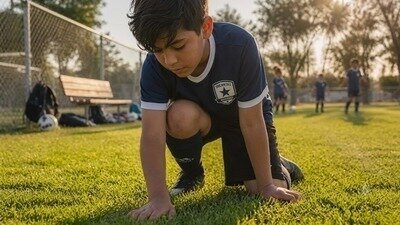

More Play, But Not At All Costs! Support Natural Grass for Youth Sports and Beyond!
The Issue
Keep Children and the Environment Safe! Keep Artificial Turf out of Youth Sports!
The Pitch: There should be no compromises when it comes to the health and safety of our youth, no matter where they live or play. Every child deserves to play on natural grass fields. Every child should have access to a playground free of toxic surfaces like PIP rubber made from recycled car tires.
The dangers of artificial turf and its components have been examined extensively. There is no such thing as ‘safe’ or ‘sustainable’ artificial turf. Here’s a short list of concerns:
1. Contains harmful chemicals like PFAS, phthalates, polycyclic aromatic hydrocarbons, VOCs, and heavy metals like lead, cadmium and arsenic which pose risks to human health, pollutes soil and waterways, and harms wildlife including fish like salmon and trout.
2. Gets much hotter than natural grass by 40-70 °F increasing the risk of heat related illness and turf burns.
3. Harbors bacteria, including MRSA, and other harmful organisms leading to higher risk of infection from cuts and scrapes.
4. Environmentally DISASTROUS as a fossil fuel product, including emission of greenhouse gases throughout its lifecycle, shedding of microplastics, and creating tons of non-degradable waste in landfills.
The Stats: Youth sports participation is on the rise (55% participation rate for ages 6-17) but let’s not collectively shrug off the harms of fake turf for the sake of ‘year round, all weather play.’ We're doing kids more harm than good. Take it from the pros. 25 out of 30 MLB baseball stadiums have real grass. 75-85% of pro soccer players and 92% of NFL players prefer playing on grass. Grass is superior for overall performance, safety, less wear and tear on joints, and playability. With proper installation and management, grass can withstand heavy use and remain usable after inclement weather.
The Foul: Don't buy into the falsehoods that artificial turf companies and their advocates are trying to sell you. It's not recyclable. It's not maintenance free. It's not eco-friendly. It disrupts the water cycle, hinders groundwater replenishment, and results in polluted runoff full of microplastics and toxic leachate.
No synthetic turf field 'lasts for decades.' Most require replacement every 8-10 years, costing an average of $400,00-$700,00 or more and resulting in excess landfill waste in perpetuity. That's neither economical or sustainable.
Some argue that artificial turf corrects a disparity in access to outdoor play and sports in urban areas and for underserved populations. This is a false dichotomy and fake turf actually further harms children who are already exposed to more environmental toxins, poor air quality and extreme heat island effects found in dense urban areas. Installing a plastic carpet and walking away would be yet another injustice. Real grass, trees and parks require money and resources to maintain, but are a genuine investment in communities that promotes health and long term prosperity. On the other hand, synthetic turf perpetuates a vicious cycle of environmental degradation, pollution and climate change which is bad for every living being on the planet.
The Save: Banning artificial turf and prioritizing natural grass fields and other green spaces aligns with California’s goals for carbon neutrality, environmental preservation, wildlife protection including endangered species like the Chinook salmon, and the promotion of physical health and mental well-being of children throughout the state.
The Kickoff: Sign this petition to show your support! Use the comment section to highlight a specific park or field of concern, include decision maker contact info, or link to your own petition. You have the power to make change happen, one field at a time!
The Goal: Through strength in numbers and collective support, we can empower each other to enact change in our own communities and eventually the entire state of California.
Extra points:
- Contact the governor and lawmakers at the state level, mayors and council members in your city, school superintendents and trustees in your district, presidents/leaders/board members who run your child’s sports organization/club.
- Contact the governing board for your child’s sport.
- Help spread the word to friends and family.
- Boycott sports fields, arenas and entertainment venues that use artificial turf.
Build Your Field of Dreams:
- Construction/Installation:
- Choose a knowledgeable contractor who is an expert in sports field design.
- Optimize the crown and slope of the field and implement subsurface drainage systems.
- Select the best native soil mix and texture for optimum drainage, moisture and nutrient retention.
- Select the grass species appropriate for your region with good disease resistance, tolerance for wear, and drought resistance.
- Water Conservation:
- Install smart irrigation with rain sensors, perform soil moisture tests, and audit regularly to reduce water waste and lower risk of disease.
- Utilize recycled gray water for irrigation.
- Allow grass to grow a little taller and water deeply and infrequently for deeper root development.
Let’s Talk About Practice:
- Strategies to maximize grass field durability and playability.
- Limit use to only sports (no concerts, other events).
- Do warm ups and drills off the field.
- Rotate traffic patterns, shift layout and sidelines periodically.
- Use portable goals to vary foot traffic patterns.
- Educate coaches and players on best practices.
- General Management and Soil Compaction Prevention:
- Rotate activities between fields to allow the grass to ‘rest.’
- Aeration to loosen soil, increase oxygen flow and improve drainage.
- Verticutting for improved soil conditions and playability.
- Topdressing with sand to level, improve drainage, and reduce compaction.
- Overseeding to restore and promote growth.
- Perform soil tests to optimize and minimize fertilizer application.
- Organic management practices that reduce or eliminate the use of pesticides and herbicides.
References/Further Reading:
https://www.sportsfieldmanagement.org/natural-grass-athletic-fields/
https://www.safehealthyplayingfields.org/
https://www.ecocenter.org/artificial-turf-wars-lessons-battlefield

149
The Issue
Keep Children and the Environment Safe! Keep Artificial Turf out of Youth Sports!
The Pitch: There should be no compromises when it comes to the health and safety of our youth, no matter where they live or play. Every child deserves to play on natural grass fields. Every child should have access to a playground free of toxic surfaces like PIP rubber made from recycled car tires.
The dangers of artificial turf and its components have been examined extensively. There is no such thing as ‘safe’ or ‘sustainable’ artificial turf. Here’s a short list of concerns:
1. Contains harmful chemicals like PFAS, phthalates, polycyclic aromatic hydrocarbons, VOCs, and heavy metals like lead, cadmium and arsenic which pose risks to human health, pollutes soil and waterways, and harms wildlife including fish like salmon and trout.
2. Gets much hotter than natural grass by 40-70 °F increasing the risk of heat related illness and turf burns.
3. Harbors bacteria, including MRSA, and other harmful organisms leading to higher risk of infection from cuts and scrapes.
4. Environmentally DISASTROUS as a fossil fuel product, including emission of greenhouse gases throughout its lifecycle, shedding of microplastics, and creating tons of non-degradable waste in landfills.
The Stats: Youth sports participation is on the rise (55% participation rate for ages 6-17) but let’s not collectively shrug off the harms of fake turf for the sake of ‘year round, all weather play.’ We're doing kids more harm than good. Take it from the pros. 25 out of 30 MLB baseball stadiums have real grass. 75-85% of pro soccer players and 92% of NFL players prefer playing on grass. Grass is superior for overall performance, safety, less wear and tear on joints, and playability. With proper installation and management, grass can withstand heavy use and remain usable after inclement weather.
The Foul: Don't buy into the falsehoods that artificial turf companies and their advocates are trying to sell you. It's not recyclable. It's not maintenance free. It's not eco-friendly. It disrupts the water cycle, hinders groundwater replenishment, and results in polluted runoff full of microplastics and toxic leachate.
No synthetic turf field 'lasts for decades.' Most require replacement every 8-10 years, costing an average of $400,00-$700,00 or more and resulting in excess landfill waste in perpetuity. That's neither economical or sustainable.
Some argue that artificial turf corrects a disparity in access to outdoor play and sports in urban areas and for underserved populations. This is a false dichotomy and fake turf actually further harms children who are already exposed to more environmental toxins, poor air quality and extreme heat island effects found in dense urban areas. Installing a plastic carpet and walking away would be yet another injustice. Real grass, trees and parks require money and resources to maintain, but are a genuine investment in communities that promotes health and long term prosperity. On the other hand, synthetic turf perpetuates a vicious cycle of environmental degradation, pollution and climate change which is bad for every living being on the planet.
The Save: Banning artificial turf and prioritizing natural grass fields and other green spaces aligns with California’s goals for carbon neutrality, environmental preservation, wildlife protection including endangered species like the Chinook salmon, and the promotion of physical health and mental well-being of children throughout the state.
The Kickoff: Sign this petition to show your support! Use the comment section to highlight a specific park or field of concern, include decision maker contact info, or link to your own petition. You have the power to make change happen, one field at a time!
The Goal: Through strength in numbers and collective support, we can empower each other to enact change in our own communities and eventually the entire state of California.
Extra points:
- Contact the governor and lawmakers at the state level, mayors and council members in your city, school superintendents and trustees in your district, presidents/leaders/board members who run your child’s sports organization/club.
- Contact the governing board for your child’s sport.
- Help spread the word to friends and family.
- Boycott sports fields, arenas and entertainment venues that use artificial turf.
Build Your Field of Dreams:
- Construction/Installation:
- Choose a knowledgeable contractor who is an expert in sports field design.
- Optimize the crown and slope of the field and implement subsurface drainage systems.
- Select the best native soil mix and texture for optimum drainage, moisture and nutrient retention.
- Select the grass species appropriate for your region with good disease resistance, tolerance for wear, and drought resistance.
- Water Conservation:
- Install smart irrigation with rain sensors, perform soil moisture tests, and audit regularly to reduce water waste and lower risk of disease.
- Utilize recycled gray water for irrigation.
- Allow grass to grow a little taller and water deeply and infrequently for deeper root development.
Let’s Talk About Practice:
- Strategies to maximize grass field durability and playability.
- Limit use to only sports (no concerts, other events).
- Do warm ups and drills off the field.
- Rotate traffic patterns, shift layout and sidelines periodically.
- Use portable goals to vary foot traffic patterns.
- Educate coaches and players on best practices.
- General Management and Soil Compaction Prevention:
- Rotate activities between fields to allow the grass to ‘rest.’
- Aeration to loosen soil, increase oxygen flow and improve drainage.
- Verticutting for improved soil conditions and playability.
- Topdressing with sand to level, improve drainage, and reduce compaction.
- Overseeding to restore and promote growth.
- Perform soil tests to optimize and minimize fertilizer application.
- Organic management practices that reduce or eliminate the use of pesticides and herbicides.
References/Further Reading:
https://www.sportsfieldmanagement.org/natural-grass-athletic-fields/
https://www.safehealthyplayingfields.org/
https://www.ecocenter.org/artificial-turf-wars-lessons-battlefield
The Decision Makers



Supporter Voices
Petition Updates
Share this petition
Petition created on August 6, 2026