
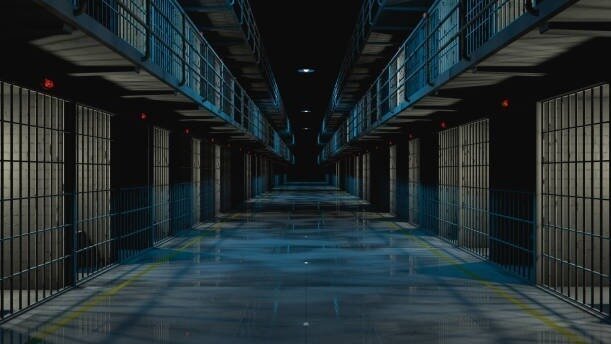
The development of a new DC jail presents an urgent opportunity to address two critical issues in our community: closing the wealth gap and reducing the incarcerated population. Rather than expanding the jail's footprint, now is the time to shrink it. Doing so is not only a moral imperative to address systemic inequities but also a practical one, as it paves the way for critical urban development and economic growth.
Reducing the size of the DC jail is essential for the future of Reservation 13 and nearby areas, where redevelopment plans could bring much-needed housing, jobs, and green spaces. The District's stewardship of the old RFK Stadium site and the proposed revitalization along the Anacostia River further highlight the need for a comprehensive, community-driven approach to land use. By prioritizing these transformative projects, DC can create opportunities for residents while fostering inclusive growth.
To succeed, the District must embrace bold leadership. This includes actively involving the community in decision-making processes and ensuring transparency at every step. The Mayor of DC, alongside the city council, must adopt a broad vision that considers the long-term implications of incarceration and land use policies. Advanced technologies capable of superhuman reasoning abilities, projected to emerge in the coming years, underscore the urgency of this moment. These tools can help streamline decision-making, but they also demand heightened accountability and rigorous oversight of every city agency.
Serious consideration must be given to the potential reopening of portions of Lorton Reformatory and utilizing 100 acres of land in Poolesville, Maryland, as part of a holistic strategy to reform incarceration practices and enhance economic equity in the region.
The proposed $900 million DC jail project, with $468 million in initial funding approved by the mayor and city council, has sparked mixed reactions. As detailed in a Washington Post article by Jenny Gathright (Jan. 6, 2025), the U.S. Commission of Fine Arts and other oversight entities have expressed harsh criticism of the initial design, underscoring the need for community input and accountability in this process. Despite this, US Magistrate Judge Zia Faruqui highlighted the thoughtful and compassionate intentions behind the project during a November 2024 Zoom meeting.
However, 90% of DC residents remain largely unaware of this project. Community engagement must become a cornerstone of this effort. The 2027–2037 construction timeline provides a unique window for discussions during upcoming election cycles about integrating local entrepreneurs, small businesses, and nonprofits into the design and operations. These steps can ensure that the jail serves as more than a detention facility but as a center for rehabilitation and social equity.
What happens inside the jail is as critical as the building itself. In 2024 alone, seven deaths at the jail, including four from fentanyl overdoses, underscored the dire need for systemic changes in care, oversight, and rehabilitation programs. This project must address these failures, aiming to reduce recidivism, improve conditions, and provide opportunities for incarcerated individuals to reintegrate into society.
Now is the time to rethink incarceration in DC. A forward-looking approach that includes broader land-use strategies, economic empowerment, and transparent planning will not only reshape the city’s correctional landscape but also advance equity and justice for all residents.
Ernest E. Johnson served as the chief negotiator during the 1972 Lorton work stoppage and the DC Jail hostage crisis, where Department of Corrections Director Kenneth Hardy and 11 guards were taken hostage. He holds a Bachelor of Science degree from the University of Maryland and is currently pursuing a master’s degree in government at Harvard University.