
Mandatory Pet Safety Education & Toxic Plant Labeling for Dogs and Cats.
The issue
I have been around dogs my entire life, yet almost everything I know about keeping them safe has come from the passing warnings of complete strangers. Let me tell you a story.
A couple of years ago, I was outside a shopping centre on the Gold Coast when I noticed an older man sitting with his dog. You could tell this dog just wanted a bit of love, and every time someone walked past without looking, my heart broke a little more. I walked over and asked if I could say hello. I had never met this man before, yet as I was making a fuss of his dog, he asked me a simple question: "Do you own a dog?"
When I said yes, he shared something completely unprompted that would eventually save my own dog's life: "I had another dog. He passed away after eating a seed from a Cycad palm. I had no idea they were toxic, and most people don’t."
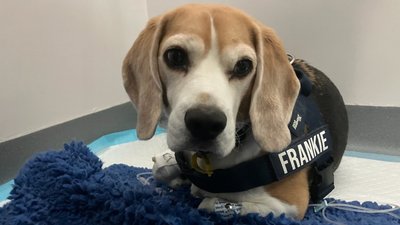
He didn’t have to tell me that, and I am forever grateful he did. Two years later, when our beloved family beagle, Frankie, started showing sudden symptoms after potentially ingesting part of a cycad plant, that stranger’s warning was the only reason I knew to act fast.
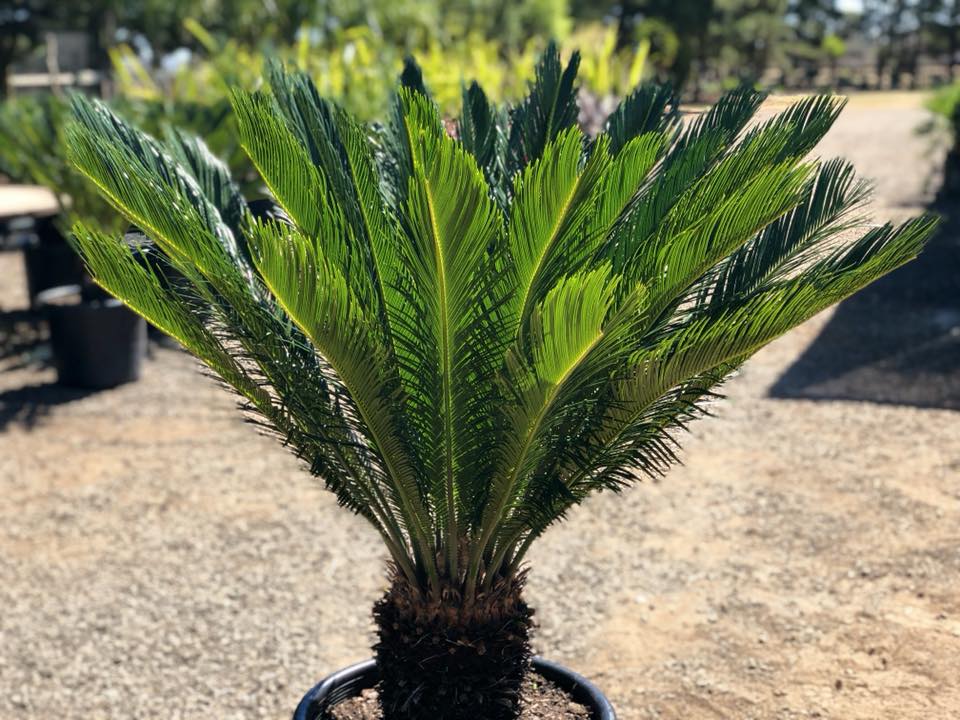
There is no official tally of cycad deaths in Australia, but the fact that there was another dog in the ICU for cycad poisoning at the exact same time Frankie was in emergency tells me it happens far too often. Even with aggressive veterinary treatment, cycasin poisoning carries a devastating 32% to 50% mortality rate.
Why is life-saving information like this left to grieving strangers in shopping centres to pass on? When I started asking around, far more people didn’t know cycads were lethal than did.
The Hidden Dangers We Aren't Told About
Cycads are just the tip of the iceberg. Most pet owners rely on word of mouth and "common sense", but you can only form common sense from the information you’re actually given.
Everyday foods and habits: I learned grapes and raisins cause sudden kidney failure from another person, not a vet or a breeder. The severe risks of smoking around pets are easily dismissed because people simply aren't told how vulnerable their lungs and nasal passages are to cancer, or that toxic third-hand smoke settles on furniture and fur, poisoning pets when they clean themselves.
Walking gear and training: Outdated, fear-based training methods still dominate, and warnings about traditional collars are often brushed off as owners being "overprotective", despite clear veterinary evidence that prolonged neck pressure from pulling can cause tracheal collapse, thyroid inflammation, eye pressure, and spinal or nerve damage.
The silent risks for cats: Because dogs tend to get more public sympathy, cat hazards fly even further under the radar. With the massive rise in hair-growth products containing Minoxidil, almost no one is warned that even a tiny trace, a cat licking a pillowcase or grooming a drop off your skin, is rapidly fatal to them. The same goes for everyday houseplants and flowers like lilies, where even a brush of pollen can shut down a cat's kidneys.
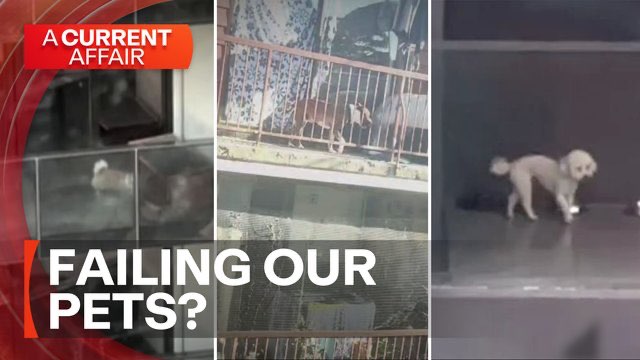
We see news stories about dogs left on balconies during extreme weather conditions or pets in poor living conditions, and it’s easy to point fingers. But how do we expect everyday people to do better when our current welfare standards barely look past basic food, water, and shelter, and we hand animals over with zero mandatory education?
What We Are Proposing:
My parents have owned dogs for over 30 years, and I have lived with animals since the day I came home from the hospital, and I am still learning new things. Pushing for better education isn't about blaming owners; it's about setting pets and families up to succeed. We are asking Parliament to introduce two simple, practical changes:
1. A Mandatory "Pet Ready" Safety & Care Course
Before adopting or purchasing a dog or cat, prospective owners should complete a short, accessible online course, similar to getting a learner’s permit before driving. It would cover:
Everyday toxins: Common household, garden, and chemical dangers (from cycads and grapes to lilies and Minoxidil).
Reading pain and body language: How to spot subtle signs of discomfort, fear, or stress, since animals instinctively hide pain until it’s critical, and most behavioral "issues" are actually just a pet trying to communicate.
Modern, humane training & enrichment: Moving away from outdated, fear-based punishment and teaching people what a pet actually needs to thrive, proper mental stimulation, safe walking equipment, and positive, science-backed training methods that build trust instead of anxiety.
The real-world consequences: Showing the confronting reality of what happens when these basics are ignored, so people understand the true weight of bringing a life into their home before they sign the papers.
Completing the course would grant a certificate required at the point of adoption or sale, with a quick refresher quiz every few years. Not a "pass or fail" test to punish people, just a simple check-in, because life gets busy and we all forget things.
2. Mandatory Pet-Toxicity Labels at Nurseries and Florists
While we need the knowledge to spot toxic plants out on walks or in a new backyard, buying plants shouldn't be a guessing game. Requiring nurseries, hardware stores, and florists to include a simple paw-print icon or warning sticker on plant tags, indicating whether a plant is toxic to dogs or cats, is a low-cost, common-sense change that would save thousands of lives and vet bills every year.
A Final Note
To the man outside that Gold Coast shopping centre, and to the thousands of people who have lost a beloved family member to a plant, a snack, or a household product and turned that grief into warnings for the rest of us: thank you. We are so grateful for you, and we are sorry that this burden has been left entirely on your shoulders.
I know some people will push back because they’ve owned pets their whole lives and feel they already know enough. All I ask is that we stay open to learning. There is no shame in not knowing something, there is only shame in refusing to learn when a life depends on it.
Additional Information
When it comes to passing these types of legislations they do need to be done state by state. At this stage I personally am residing within Queensland, so that's where my focus is, but I wanted to make this through change.org, just to see if this is something that people would want to see throughout Australia.
If you have made it this far I thank you for your patience and please share with others!

79
The issue
I have been around dogs my entire life, yet almost everything I know about keeping them safe has come from the passing warnings of complete strangers. Let me tell you a story.
A couple of years ago, I was outside a shopping centre on the Gold Coast when I noticed an older man sitting with his dog. You could tell this dog just wanted a bit of love, and every time someone walked past without looking, my heart broke a little more. I walked over and asked if I could say hello. I had never met this man before, yet as I was making a fuss of his dog, he asked me a simple question: "Do you own a dog?"
When I said yes, he shared something completely unprompted that would eventually save my own dog's life: "I had another dog. He passed away after eating a seed from a Cycad palm. I had no idea they were toxic, and most people don’t."
He didn’t have to tell me that, and I am forever grateful he did. Two years later, when our beloved family beagle, Frankie, started showing sudden symptoms after potentially ingesting part of a cycad plant, that stranger’s warning was the only reason I knew to act fast.
There is no official tally of cycad deaths in Australia, but the fact that there was another dog in the ICU for cycad poisoning at the exact same time Frankie was in emergency tells me it happens far too often. Even with aggressive veterinary treatment, cycasin poisoning carries a devastating 32% to 50% mortality rate.
Why is life-saving information like this left to grieving strangers in shopping centres to pass on? When I started asking around, far more people didn’t know cycads were lethal than did.
The Hidden Dangers We Aren't Told About
Cycads are just the tip of the iceberg. Most pet owners rely on word of mouth and "common sense", but you can only form common sense from the information you’re actually given.
Everyday foods and habits: I learned grapes and raisins cause sudden kidney failure from another person, not a vet or a breeder. The severe risks of smoking around pets are easily dismissed because people simply aren't told how vulnerable their lungs and nasal passages are to cancer, or that toxic third-hand smoke settles on furniture and fur, poisoning pets when they clean themselves.
Walking gear and training: Outdated, fear-based training methods still dominate, and warnings about traditional collars are often brushed off as owners being "overprotective", despite clear veterinary evidence that prolonged neck pressure from pulling can cause tracheal collapse, thyroid inflammation, eye pressure, and spinal or nerve damage.
The silent risks for cats: Because dogs tend to get more public sympathy, cat hazards fly even further under the radar. With the massive rise in hair-growth products containing Minoxidil, almost no one is warned that even a tiny trace, a cat licking a pillowcase or grooming a drop off your skin, is rapidly fatal to them. The same goes for everyday houseplants and flowers like lilies, where even a brush of pollen can shut down a cat's kidneys.
We see news stories about dogs left on balconies during extreme weather conditions or pets in poor living conditions, and it’s easy to point fingers. But how do we expect everyday people to do better when our current welfare standards barely look past basic food, water, and shelter, and we hand animals over with zero mandatory education?
What We Are Proposing:
My parents have owned dogs for over 30 years, and I have lived with animals since the day I came home from the hospital, and I am still learning new things. Pushing for better education isn't about blaming owners; it's about setting pets and families up to succeed. We are asking Parliament to introduce two simple, practical changes:
1. A Mandatory "Pet Ready" Safety & Care Course
Before adopting or purchasing a dog or cat, prospective owners should complete a short, accessible online course, similar to getting a learner’s permit before driving. It would cover:
Everyday toxins: Common household, garden, and chemical dangers (from cycads and grapes to lilies and Minoxidil).
Reading pain and body language: How to spot subtle signs of discomfort, fear, or stress, since animals instinctively hide pain until it’s critical, and most behavioral "issues" are actually just a pet trying to communicate.
Modern, humane training & enrichment: Moving away from outdated, fear-based punishment and teaching people what a pet actually needs to thrive, proper mental stimulation, safe walking equipment, and positive, science-backed training methods that build trust instead of anxiety.
The real-world consequences: Showing the confronting reality of what happens when these basics are ignored, so people understand the true weight of bringing a life into their home before they sign the papers.
Completing the course would grant a certificate required at the point of adoption or sale, with a quick refresher quiz every few years. Not a "pass or fail" test to punish people, just a simple check-in, because life gets busy and we all forget things.
2. Mandatory Pet-Toxicity Labels at Nurseries and Florists
While we need the knowledge to spot toxic plants out on walks or in a new backyard, buying plants shouldn't be a guessing game. Requiring nurseries, hardware stores, and florists to include a simple paw-print icon or warning sticker on plant tags, indicating whether a plant is toxic to dogs or cats, is a low-cost, common-sense change that would save thousands of lives and vet bills every year.
A Final Note
To the man outside that Gold Coast shopping centre, and to the thousands of people who have lost a beloved family member to a plant, a snack, or a household product and turned that grief into warnings for the rest of us: thank you. We are so grateful for you, and we are sorry that this burden has been left entirely on your shoulders.
I know some people will push back because they’ve owned pets their whole lives and feel they already know enough. All I ask is that we stay open to learning. There is no shame in not knowing something, there is only shame in refusing to learn when a life depends on it.
Additional Information
When it comes to passing these types of legislations they do need to be done state by state. At this stage I personally am residing within Queensland, so that's where my focus is, but I wanted to make this through change.org, just to see if this is something that people would want to see throughout Australia.
If you have made it this far I thank you for your patience and please share with others!
The Decision Makers


Petition Updates
Share this petition
Petition created on 11 November 2026