Let's Achieve Tree Equity in Chicago
The Issue
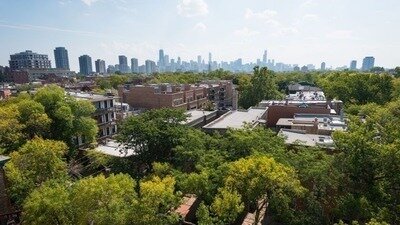
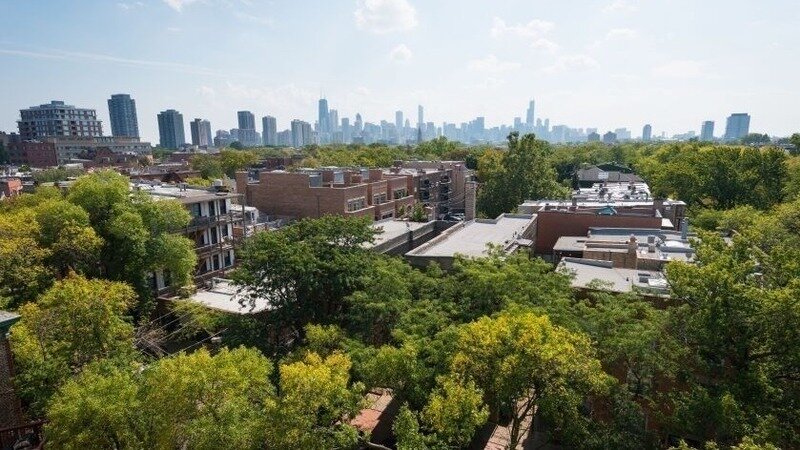
Chicago has a tree inequity issue. Trees in communities contribute to the environment by improving air quality, combating climate change, and preventing flooding. Communities with fewer trees on sidewalks, roads, and covering homes see much higher temperatures and cooling system costs because there are no trees to shade. Trees are of a high importance level in my life because of the effect that their presence has on mental health. Studies have shown that spending time around trees reduces stress and anxiety, lowers blood pressure, and improves mood.
In the past, Chicago was a leader in nurturing an urban forest, but we have since lost that title. Between 2011 and 2021, there was a net loss of at least 69,000 street trees due to disease, development of infrastructure, and disinvestment in communities. The replanting of these lost trees is not a high enough priority. The tree planting specific budget was slashed from $3.5 million to $173,500 from 2008 to 2013.
This inequity is because of historical systemic issues like redlining, underfunding, and unjust practices. Census tracts with a majority White population have a tree canopy of 30% or more. In census tracts that are predominantly Black and Latino, the coverage drops to as low as 4-10%. These numbers themselves demonstrate the systemic disparity at play here.
Plans to address this have been proposed, some even slightly enacted, but little action has been seen to fully make these plans a reality. This is why I am calling on Cole Stallard, the commissioner of the Streets and Sanitation department in Chicago, to increase the allocation of the budget and increase the number of current trees being planted in the less equitable areas of Chicago, where there are fewer trees and higher consequences.
79
The Issue
Chicago has a tree inequity issue. Trees in communities contribute to the environment by improving air quality, combating climate change, and preventing flooding. Communities with fewer trees on sidewalks, roads, and covering homes see much higher temperatures and cooling system costs because there are no trees to shade. Trees are of a high importance level in my life because of the effect that their presence has on mental health. Studies have shown that spending time around trees reduces stress and anxiety, lowers blood pressure, and improves mood.
In the past, Chicago was a leader in nurturing an urban forest, but we have since lost that title. Between 2011 and 2021, there was a net loss of at least 69,000 street trees due to disease, development of infrastructure, and disinvestment in communities. The replanting of these lost trees is not a high enough priority. The tree planting specific budget was slashed from $3.5 million to $173,500 from 2008 to 2013.
This inequity is because of historical systemic issues like redlining, underfunding, and unjust practices. Census tracts with a majority White population have a tree canopy of 30% or more. In census tracts that are predominantly Black and Latino, the coverage drops to as low as 4-10%. These numbers themselves demonstrate the systemic disparity at play here.
Plans to address this have been proposed, some even slightly enacted, but little action has been seen to fully make these plans a reality. This is why I am calling on Cole Stallard, the commissioner of the Streets and Sanitation department in Chicago, to increase the allocation of the budget and increase the number of current trees being planted in the less equitable areas of Chicago, where there are fewer trees and higher consequences.
The Decision Makers
Petition Updates
Share this petition
Petition created on October 9, 2025