
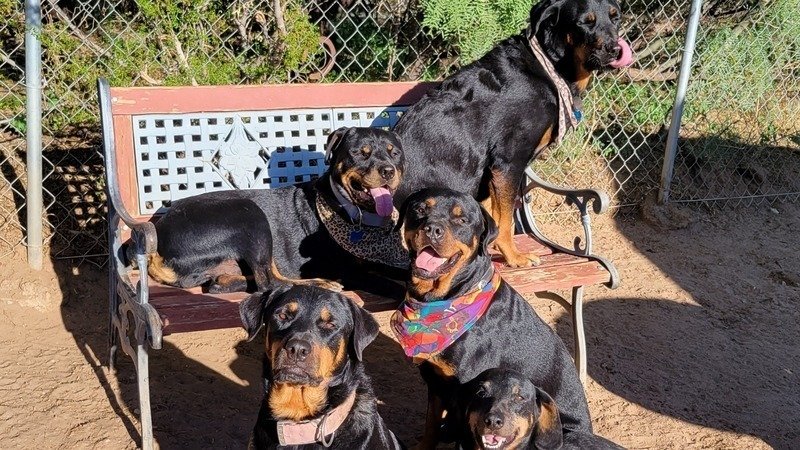
Las Cruces Citywide Support for Reactive, Shy & “Grumpy” Dogs
The Issue
Las Cruces Citywide Support for Reactive, Shy & “Grumpy” Dogs
Las Cruces, NM has experienced 3 deaths, 1 arm amputation, and a reported increase in dog bites during the 2019 debacle. Will that number rise again with the 133,000 smart meters deployed in our community? A dog was also recently killed by another dog at the Animal Services Center of the Mesilla Valley dog park.
These tragedies and injuries deserve prevention—not just action after a bite or attack occurs.
Dogs and their families need knowledgeable, hands-on support. Our citywide dog parks could have trained, knowledgeable attendants or volunteers available during designated hours to help facilitate proper dog-to-dog introductions, recognize early signs of fear and reactivity, and educate owners about safely managing highly sensitive dogs.
April’s K911 Academy has offered to help provide a free monthly “Grumpy Dog Workshop” that could be hosted in our community by other trainers and facilities as well. A $1 daily dog fee, donations, sponsorships, volunteer time, or other community-supported options could help fund this effort.
Have you or your dog been bitten? Has your dog bitten someone or another animal?
THIS IS NOT A NEW ISSUE
Years ago, I provided the City with a Veterinary Medical Association (VMA) community dog-bite-prevention booklet describing ways a community can work together to reduce dog bites. Despite that outreach, the recommended community-wide approach has not been implemented.
I am bringing this forward again because the problem has continued—and because I have continued developing hands-on behavioral support through April’s K911 Academy and the Peeps2Pups K9 Connection.
PREVENTION BEFORE THE NEXT BITE
Animal Services Center of the Mesilla Valley statistics have indicated that a significant portion of dogs are returned because of aggression or behavioral problems.
We need better hands-on education for fosters, adopters and families so they can recognize early warning signs and safely address fearful, reactive, submissive and escalating behaviors before they become bites or attacks.
There is currently no Animal Control-provided community program available to owners that fulfills this need.
New Mexico law already recognizes the importance of behavioral and socialization programs. NMSA §77-1A-5(A)(8) requires, for registration of a potentially dangerous dog, that the owner enter the dog in a socialization, obedience and behavior program approved or offered by the animal control authority.
My concern is that our community needs an accessible, clearly identified program and referral pathway—not simply an instruction that owners are responsible for finding help themselves.
WHY WAIT UNTIL AFTER A BITE?
Why don't we make this preventative education citywide, instead of waiting until a dog bites?
I propose:
After a first reported dog bite: the entire family should have access to a free monthly educational workshop addressing canine body language, fear, reactivity, safe handling, prevention and owner responsibilities.
After a second bite or when a dog is determined to require more intensive intervention: the family should be required to participate in a qualified socialization, behavioral and obedience program consistent with the applicable legal requirements, with rehabilitation as the main goal.
If a family cannot afford the program: provide vouchers, scholarships, or a community work/resource exchange so lack of money does not become the reason a dog receives no help.
Create a clear Animal Control referral system to qualified behavioral professionals and programs.
Our chain pet stores often cannot work with known biters because of liability concerns. Independent trainers and rescues may also be unwilling or unable to accept these cases. Responsible families can therefore have very few options.
Without resources and support, some families ultimately feel they have no choice but to surrender or euthanize a beloved family member.
April’s K911 Academy is willing to help change this.
THIS IS ABOUT OWNER RESPONSIBILITY — AND GIVING OWNERS THE TOOLS TO BE RESPONSIBLE
I have heard from local entities that they do not have the time, personnel or facilities for this type of program and that behavioral problems are an owner-responsibility issue.
But how can we expect owners to recognize and correct behaviors they have never been taught to recognize?
Small signs of fear, stress, avoidance or reactivity can be overlooked until they become much bigger problems.
Education, awareness, early intervention and qualified behavioral support can give families a better opportunity to address problems while they are still manageable.
And we must also remember the human at the other end of the leash. Many parents and owners are already frightened, stressed and overwhelmed. Some may be afraid to ask Animal Control for help because they fear their dog could be taken from them or euthanized.
PEEPS2PUPS K9 CONNECTION — BOTH ENDS OF THE LEASH
Peeps2Pups K9 Connection works with both ends of the leash—the animal AND the human.
A frightened, reactive or overwhelmed dog can affect the human holding the leash, while the human's own fear, stress and emotional state can affect the dog. Our goal is to give both of them tools to work through that cycle together.
PupTappin is one of the practical tools developed within this work. It takes approximately 30 seconds to use and is designed for immediate use during or shortly after a stressful event.
I have personally documented dogs going from wide-eyed, panting and visibly distressed during thunderstorms to quiet and settling into sleep after using the tool. We have even documented a wild moose shaking it off after being PupTapped!
The Peeps2Pups K9 Connection Research Study is documenting this work and its results.
If you are interested in participating in or supporting the research study, please contact us.
A CITYWIDE COMMUNITY APPROACH
I am proposing education and awareness for everyone involved with our community's dogs, including:
Animal Control
Animal Services Center of the Mesilla Valley
City and County personnel
Police, Sheriff, Fire and EMS
Rescues and fosters
Veterinarians and veterinary technicians
Boarding facilities and doggy daycares
Dog trainers and behavioral professionals
Schools and community organizations
Dog owners and families
SCHOOLS, FAMILIES & SNMCF
What would it take for our schools to teach responsible pet ownership, including recognizing early behavioral warning signs and learning safe prevention techniques through hands-on and visual education?
Children could participate in supervised educational activities without having to foster or handle dogs. The Peeps2Pups K9 Connection approach could also help teach children and families how humans and animals influence one another and how both can learn to regulate together.
We have already conducted a pilot program at Southern New Mexico Correctional Facility (SNMCF).
With proper education and preparation for staff, this concept could potentially be expanded into a meaningful rehabilitation model in which inmates and dogs work together—Soul2Soul—rather than simply moving dogs through a facility. Properly structured, it could provide opportunities for inmates to learn responsibility, communication, emotional regulation and animal behavior while helping dogs become more adoptable.
DOG PARKS & DAYCARES
Dog parks could provide knowledgeable volunteers or attendants during designated hours who can help owners understand proper introductions and safe integration of new dogs.
Where appropriate, the community could explore supervised integration areas, educational materials, safety equipment and other resources.
Dog daycares should have at least one knowledgeable and experienced person on staff who can recognize behavioral warning signs and safely intervene before problems escalate.
COMMUNITY COMMUNICATION
Create an active communication network among:
Dog trainers • ASCMV • Animal Control • Rescues • Fosters • Veterinarians • Boarding/Daycare Facilities • April’s K911 Academy
The goal is to make it easier for families to find qualified help before they reach a crisis.
They say owner responsibility.
Let's give owners the education, resources and support they need to actually fulfill that responsibility.
I have carried this torch for years. I am willing to help—but I cannot carry a community-wide prevention program alone. This requires our community, qualified professionals and our local agencies to participate.
FEDERAL UPDATE — PUBLIC INPUT IS OPEN NOW
There is also a new federal development relevant to the broader health and environmental questions raised by wireless technology.
The U.S. Department of Health and Human Services (HHS) is requesting public input concerning RF/EMF and wireless radiation, including smart meters, children and other potentially sensitive populations, real-world exposure measurements, health experiences, cumulative exposure and research gaps.
HHS deadline: October 21, 2026
Submit information to HHS / view the HHS request
The FCC has also opened a proceeding seeking public comment on RF-exposure issues following the Environmental Health Trust v. FCC remand.
FCC deadline: October 22, 2026
FCC RF Exposure Public Notice and Comment Information
These federal proceedings provide an opportunity for the public to submit evidence, experiences, measurements and research concerning wireless exposure. HHS specifically asks for information about potentially sensitive populations and exposure below current federal limits.
Please use the links above rather than waiting for someone else to speak for you.
OUR PUPS NEED YOUR VOICE
Whether you have a reactive dog, a shy dog, a “grumpy” dog, a dog who has bitten, or a dog who simply lives with fear and anxiety, your experience matters.
A dog does not have to bite someone before its family deserves help.
Let's educate. Let's intervene earlier. Let's give families and dogs a real opportunity to succeed.
Our pups need your voice.

1,029
The Issue
Las Cruces Citywide Support for Reactive, Shy & “Grumpy” Dogs
Las Cruces, NM has experienced 3 deaths, 1 arm amputation, and a reported increase in dog bites during the 2019 debacle. Will that number rise again with the 133,000 smart meters deployed in our community? A dog was also recently killed by another dog at the Animal Services Center of the Mesilla Valley dog park.
These tragedies and injuries deserve prevention—not just action after a bite or attack occurs.
Dogs and their families need knowledgeable, hands-on support. Our citywide dog parks could have trained, knowledgeable attendants or volunteers available during designated hours to help facilitate proper dog-to-dog introductions, recognize early signs of fear and reactivity, and educate owners about safely managing highly sensitive dogs.
April’s K911 Academy has offered to help provide a free monthly “Grumpy Dog Workshop” that could be hosted in our community by other trainers and facilities as well. A $1 daily dog fee, donations, sponsorships, volunteer time, or other community-supported options could help fund this effort.
Have you or your dog been bitten? Has your dog bitten someone or another animal?
THIS IS NOT A NEW ISSUE
Years ago, I provided the City with a Veterinary Medical Association (VMA) community dog-bite-prevention booklet describing ways a community can work together to reduce dog bites. Despite that outreach, the recommended community-wide approach has not been implemented.
I am bringing this forward again because the problem has continued—and because I have continued developing hands-on behavioral support through April’s K911 Academy and the Peeps2Pups K9 Connection.
PREVENTION BEFORE THE NEXT BITE
Animal Services Center of the Mesilla Valley statistics have indicated that a significant portion of dogs are returned because of aggression or behavioral problems.
We need better hands-on education for fosters, adopters and families so they can recognize early warning signs and safely address fearful, reactive, submissive and escalating behaviors before they become bites or attacks.
There is currently no Animal Control-provided community program available to owners that fulfills this need.
New Mexico law already recognizes the importance of behavioral and socialization programs. NMSA §77-1A-5(A)(8) requires, for registration of a potentially dangerous dog, that the owner enter the dog in a socialization, obedience and behavior program approved or offered by the animal control authority.
My concern is that our community needs an accessible, clearly identified program and referral pathway—not simply an instruction that owners are responsible for finding help themselves.
WHY WAIT UNTIL AFTER A BITE?
Why don't we make this preventative education citywide, instead of waiting until a dog bites?
I propose:
After a first reported dog bite: the entire family should have access to a free monthly educational workshop addressing canine body language, fear, reactivity, safe handling, prevention and owner responsibilities.
After a second bite or when a dog is determined to require more intensive intervention: the family should be required to participate in a qualified socialization, behavioral and obedience program consistent with the applicable legal requirements, with rehabilitation as the main goal.
If a family cannot afford the program: provide vouchers, scholarships, or a community work/resource exchange so lack of money does not become the reason a dog receives no help.
Create a clear Animal Control referral system to qualified behavioral professionals and programs.
Our chain pet stores often cannot work with known biters because of liability concerns. Independent trainers and rescues may also be unwilling or unable to accept these cases. Responsible families can therefore have very few options.
Without resources and support, some families ultimately feel they have no choice but to surrender or euthanize a beloved family member.
April’s K911 Academy is willing to help change this.
THIS IS ABOUT OWNER RESPONSIBILITY — AND GIVING OWNERS THE TOOLS TO BE RESPONSIBLE
I have heard from local entities that they do not have the time, personnel or facilities for this type of program and that behavioral problems are an owner-responsibility issue.
But how can we expect owners to recognize and correct behaviors they have never been taught to recognize?
Small signs of fear, stress, avoidance or reactivity can be overlooked until they become much bigger problems.
Education, awareness, early intervention and qualified behavioral support can give families a better opportunity to address problems while they are still manageable.
And we must also remember the human at the other end of the leash. Many parents and owners are already frightened, stressed and overwhelmed. Some may be afraid to ask Animal Control for help because they fear their dog could be taken from them or euthanized.
PEEPS2PUPS K9 CONNECTION — BOTH ENDS OF THE LEASH
Peeps2Pups K9 Connection works with both ends of the leash—the animal AND the human.
A frightened, reactive or overwhelmed dog can affect the human holding the leash, while the human's own fear, stress and emotional state can affect the dog. Our goal is to give both of them tools to work through that cycle together.
PupTappin is one of the practical tools developed within this work. It takes approximately 30 seconds to use and is designed for immediate use during or shortly after a stressful event.
I have personally documented dogs going from wide-eyed, panting and visibly distressed during thunderstorms to quiet and settling into sleep after using the tool. We have even documented a wild moose shaking it off after being PupTapped!
The Peeps2Pups K9 Connection Research Study is documenting this work and its results.
If you are interested in participating in or supporting the research study, please contact us.
A CITYWIDE COMMUNITY APPROACH
I am proposing education and awareness for everyone involved with our community's dogs, including:
Animal Control
Animal Services Center of the Mesilla Valley
City and County personnel
Police, Sheriff, Fire and EMS
Rescues and fosters
Veterinarians and veterinary technicians
Boarding facilities and doggy daycares
Dog trainers and behavioral professionals
Schools and community organizations
Dog owners and families
SCHOOLS, FAMILIES & SNMCF
What would it take for our schools to teach responsible pet ownership, including recognizing early behavioral warning signs and learning safe prevention techniques through hands-on and visual education?
Children could participate in supervised educational activities without having to foster or handle dogs. The Peeps2Pups K9 Connection approach could also help teach children and families how humans and animals influence one another and how both can learn to regulate together.
We have already conducted a pilot program at Southern New Mexico Correctional Facility (SNMCF).
With proper education and preparation for staff, this concept could potentially be expanded into a meaningful rehabilitation model in which inmates and dogs work together—Soul2Soul—rather than simply moving dogs through a facility. Properly structured, it could provide opportunities for inmates to learn responsibility, communication, emotional regulation and animal behavior while helping dogs become more adoptable.
DOG PARKS & DAYCARES
Dog parks could provide knowledgeable volunteers or attendants during designated hours who can help owners understand proper introductions and safe integration of new dogs.
Where appropriate, the community could explore supervised integration areas, educational materials, safety equipment and other resources.
Dog daycares should have at least one knowledgeable and experienced person on staff who can recognize behavioral warning signs and safely intervene before problems escalate.
COMMUNITY COMMUNICATION
Create an active communication network among:
Dog trainers • ASCMV • Animal Control • Rescues • Fosters • Veterinarians • Boarding/Daycare Facilities • April’s K911 Academy
The goal is to make it easier for families to find qualified help before they reach a crisis.
They say owner responsibility.
Let's give owners the education, resources and support they need to actually fulfill that responsibility.
I have carried this torch for years. I am willing to help—but I cannot carry a community-wide prevention program alone. This requires our community, qualified professionals and our local agencies to participate.
FEDERAL UPDATE — PUBLIC INPUT IS OPEN NOW
There is also a new federal development relevant to the broader health and environmental questions raised by wireless technology.
The U.S. Department of Health and Human Services (HHS) is requesting public input concerning RF/EMF and wireless radiation, including smart meters, children and other potentially sensitive populations, real-world exposure measurements, health experiences, cumulative exposure and research gaps.
HHS deadline: October 21, 2026
Submit information to HHS / view the HHS request
The FCC has also opened a proceeding seeking public comment on RF-exposure issues following the Environmental Health Trust v. FCC remand.
FCC deadline: October 22, 2026
FCC RF Exposure Public Notice and Comment Information
These federal proceedings provide an opportunity for the public to submit evidence, experiences, measurements and research concerning wireless exposure. HHS specifically asks for information about potentially sensitive populations and exposure below current federal limits.
Please use the links above rather than waiting for someone else to speak for you.
OUR PUPS NEED YOUR VOICE
Whether you have a reactive dog, a shy dog, a “grumpy” dog, a dog who has bitten, or a dog who simply lives with fear and anxiety, your experience matters.
A dog does not have to bite someone before its family deserves help.
Let's educate. Let's intervene earlier. Let's give families and dogs a real opportunity to succeed.
Our pups need your voice.
The Decision Makers
Supporter Voices
Petition Updates
Share this petition
Petition created on September 9, 2022