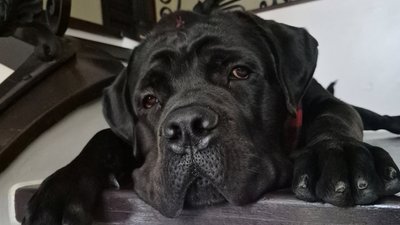

Justice for Enzo: Answers, Independent Review and Safer Veterinary Care
The Issue
JUSTICE FOR ENZO 🐾🖤
Answers, Accountability and Safer Veterinary Care
To: Vets for Pets Basildon Pitsea, Vets for Pets and Pets at Home Group leadership, the Royal College of Veterinary Surgeons, and UK veterinary policymakers
On 9 September 2026, we took our beautiful Cane Corso, Enzo, to Vets for Pets Basildon Pitsea for a CT investigation of his front legs.
He was just 19 months old, weighing 63.3 kg, and a deeply loved member of our family.
We trusted the veterinary team with his care. We expected to bring him home.
Instead, Enzo suffered a cardiac arrest during the CT procedure under sedation. Despite resuscitation attempts, he died.
We returned to the practice, paid the remaining bill and watched staff place our beautiful boy’s lifeless body into our car. My daughter and I brought him home through tears.
Enzo walked into the practice alive. He never walked out again.
More than two months later, we have received records and a final complaint response, but important questions remain unresolved. We are asking for explanations supported by the original evidence and an appropriately independent clinical review.
Why we are asking for answers
1. Blood results timed after his recorded death
Enzo’s clinical and resuscitation notes record his death at approximately 11:45 am. His laboratory reports display times of 12:06 pm and 12:16 pm that day.
The practice has explained that blood was taken after sedation because of concerns about examining and handling him while conscious. Its final response also states that the procedure continued while the team awaited the results, and acknowledges that the invoice description “Pre-Anaesthetic Panel” did not accurately reflect the timing or use of the test.
These timestamps do not, by themselves, establish when the blood was collected. We are asking:
When was the sample collected, when was it analysed, what do the displayed times represent, and when were the results first available and reviewed? What information informed the decision to proceed while awaiting them?
2. The wrong breed on his laboratory report
The laboratory report names Enzo and his owner, but records his breed as Cairn Terrier, rather than Cane Corso.
This could be an administrative error; it does not itself prove that the sample belonged to another animal.
Nevertheless, we want the error explained and corrected, with documented confirmation linking the sample and results to Enzo.
3. Missing monitoring documentation and differing timelines
The monitoring grid supplied to us is blank. In its final response, the practice states that no monitoring forms were available, while describing staff recollections of intermittent checks using a stethoscope and pulse assessment.
We recognise that missing records do not prove that no monitoring took place. But they leave our family unable to verify important aspects of Enzo’s care.
What equipment monitored his breathing, oxygen levels, heart rhythm and blood pressure? How was he observed during CT exposures when staff were outside the scanning room, and do any original electronic readings or recordings exist?
The documents also contain differing timings for contrast administration and recognition of the emergency. We are asking for a reconciled timeline that distinguishes contemporaneous records, CCTV-derived timings and later recollections.
4. Airway management and resuscitation
The practice states that Enzo did not have a breathing tube during the scan and was found not to be breathing when staff re-entered the room.
The clinical notes record intubation during resuscitation at 11:35 am, followed by re-intubation at 11:37 am because the tube was misplaced. The final response explains that it was repositioned after the absence of a carbon dioxide reading was recognised.
We are asking for an independent assessment of the sedation and airway-management decisions, how breathing was monitored, how quickly the emergency was recognised, and the resuscitation that followed.
We are not claiming that the tube issue—or any particular drug—caused Enzo’s death. We want these events properly explained and assessed.
5. Conflicting documentation about which legs would be scanned
The consultation notes recommended imaging both front legs, and our email before the procedure specifically asked for confirmation of bilateral imaging.
However, the consent form we signed specified the left shoulder, elbow and wrist. Other records also refer to left-only imaging, including the radiology request stating that only the left forelimb was imaged as requested by the surgeon.
The practice’s final response says bilateral imaging had been intended, but the emergency occurred before the right leg was scanned. It apologises that the imaging scope was not clearly recorded and confirmed.
We want a clear explanation reconciling the intended investigation, the consent form, the instructions given to the scanning team and the subsequent accounts.
A fair review, without prejudging the outcome
Our concerns have been registered with the RCVS and are at Stage 1, its initial review stage. This does not establish negligence or serious professional misconduct.
The practice has stated that its review did not establish a particular medication as the cause of Enzo’s death. A post-mortem examination was recommended, and we chose not to proceed. We recognise that this limits what can now be established about the cause.
We are not asking anyone to presume fault simply because Enzo died. We are asking for the records, discrepancies and clinical decisions to be examined fairly and transparently.
What we are calling for
Complete disclosure and preservation of all existing records relevant to Enzo’s care, including original clinical, laboratory, monitoring, imaging and resuscitation information, with clear explanations where records do not exist or cannot be supplied.
An appropriately independent clinical review, with its scope, independence and findings explained to our family.
A clear response to each outstanding question, distinguishing documented facts, later recollections and matters that cannot now be determined.
Review and improvement of sedation and anaesthesia safety arrangements, particularly monitoring during CT scans, airway management, emergency recognition and contemporaneous documentation.
Stronger arrangements for learning from unexpected veterinary deaths, including timely communication with owners, accurate records and access to appropriate independent review.
Please help us make Enzo’s voice heard
We cannot bring Enzo back. Nothing can repair the heartbreak of losing him so young.
But we can ask for answers, accountability where warranted, and lessons that help protect other animals.
Please sign and share this petition to support a fair, evidence-based review of Enzo’s death and safer veterinary care.
Please keep all support respectful. We do not support harassment or threats towards any member of staff.
For Enzo, and for every animal who cannot speak for themselves. 🖤🐾
614
The Issue
JUSTICE FOR ENZO 🐾🖤
Answers, Accountability and Safer Veterinary Care
To: Vets for Pets Basildon Pitsea, Vets for Pets and Pets at Home Group leadership, the Royal College of Veterinary Surgeons, and UK veterinary policymakers
On 9 September 2026, we took our beautiful Cane Corso, Enzo, to Vets for Pets Basildon Pitsea for a CT investigation of his front legs.
He was just 19 months old, weighing 63.3 kg, and a deeply loved member of our family.
We trusted the veterinary team with his care. We expected to bring him home.
Instead, Enzo suffered a cardiac arrest during the CT procedure under sedation. Despite resuscitation attempts, he died.
We returned to the practice, paid the remaining bill and watched staff place our beautiful boy’s lifeless body into our car. My daughter and I brought him home through tears.
Enzo walked into the practice alive. He never walked out again.
More than two months later, we have received records and a final complaint response, but important questions remain unresolved. We are asking for explanations supported by the original evidence and an appropriately independent clinical review.
Why we are asking for answers
1. Blood results timed after his recorded death
Enzo’s clinical and resuscitation notes record his death at approximately 11:45 am. His laboratory reports display times of 12:06 pm and 12:16 pm that day.
The practice has explained that blood was taken after sedation because of concerns about examining and handling him while conscious. Its final response also states that the procedure continued while the team awaited the results, and acknowledges that the invoice description “Pre-Anaesthetic Panel” did not accurately reflect the timing or use of the test.
These timestamps do not, by themselves, establish when the blood was collected. We are asking:
When was the sample collected, when was it analysed, what do the displayed times represent, and when were the results first available and reviewed? What information informed the decision to proceed while awaiting them?
2. The wrong breed on his laboratory report
The laboratory report names Enzo and his owner, but records his breed as Cairn Terrier, rather than Cane Corso.
This could be an administrative error; it does not itself prove that the sample belonged to another animal.
Nevertheless, we want the error explained and corrected, with documented confirmation linking the sample and results to Enzo.
3. Missing monitoring documentation and differing timelines
The monitoring grid supplied to us is blank. In its final response, the practice states that no monitoring forms were available, while describing staff recollections of intermittent checks using a stethoscope and pulse assessment.
We recognise that missing records do not prove that no monitoring took place. But they leave our family unable to verify important aspects of Enzo’s care.
What equipment monitored his breathing, oxygen levels, heart rhythm and blood pressure? How was he observed during CT exposures when staff were outside the scanning room, and do any original electronic readings or recordings exist?
The documents also contain differing timings for contrast administration and recognition of the emergency. We are asking for a reconciled timeline that distinguishes contemporaneous records, CCTV-derived timings and later recollections.
4. Airway management and resuscitation
The practice states that Enzo did not have a breathing tube during the scan and was found not to be breathing when staff re-entered the room.
The clinical notes record intubation during resuscitation at 11:35 am, followed by re-intubation at 11:37 am because the tube was misplaced. The final response explains that it was repositioned after the absence of a carbon dioxide reading was recognised.
We are asking for an independent assessment of the sedation and airway-management decisions, how breathing was monitored, how quickly the emergency was recognised, and the resuscitation that followed.
We are not claiming that the tube issue—or any particular drug—caused Enzo’s death. We want these events properly explained and assessed.
5. Conflicting documentation about which legs would be scanned
The consultation notes recommended imaging both front legs, and our email before the procedure specifically asked for confirmation of bilateral imaging.
However, the consent form we signed specified the left shoulder, elbow and wrist. Other records also refer to left-only imaging, including the radiology request stating that only the left forelimb was imaged as requested by the surgeon.
The practice’s final response says bilateral imaging had been intended, but the emergency occurred before the right leg was scanned. It apologises that the imaging scope was not clearly recorded and confirmed.
We want a clear explanation reconciling the intended investigation, the consent form, the instructions given to the scanning team and the subsequent accounts.
A fair review, without prejudging the outcome
Our concerns have been registered with the RCVS and are at Stage 1, its initial review stage. This does not establish negligence or serious professional misconduct.
The practice has stated that its review did not establish a particular medication as the cause of Enzo’s death. A post-mortem examination was recommended, and we chose not to proceed. We recognise that this limits what can now be established about the cause.
We are not asking anyone to presume fault simply because Enzo died. We are asking for the records, discrepancies and clinical decisions to be examined fairly and transparently.
What we are calling for
Complete disclosure and preservation of all existing records relevant to Enzo’s care, including original clinical, laboratory, monitoring, imaging and resuscitation information, with clear explanations where records do not exist or cannot be supplied.
An appropriately independent clinical review, with its scope, independence and findings explained to our family.
A clear response to each outstanding question, distinguishing documented facts, later recollections and matters that cannot now be determined.
Review and improvement of sedation and anaesthesia safety arrangements, particularly monitoring during CT scans, airway management, emergency recognition and contemporaneous documentation.
Stronger arrangements for learning from unexpected veterinary deaths, including timely communication with owners, accurate records and access to appropriate independent review.
Please help us make Enzo’s voice heard
We cannot bring Enzo back. Nothing can repair the heartbreak of losing him so young.
But we can ask for answers, accountability where warranted, and lessons that help protect other animals.
Please sign and share this petition to support a fair, evidence-based review of Enzo’s death and safer veterinary care.
Please keep all support respectful. We do not support harassment or threats towards any member of staff.
For Enzo, and for every animal who cannot speak for themselves. 🖤🐾
The Decision Makers
Supporter Voices
Petition Updates
Share this petition
Petition created on 12 November 2026