A Failure to Protect, A Pattern of Negligence

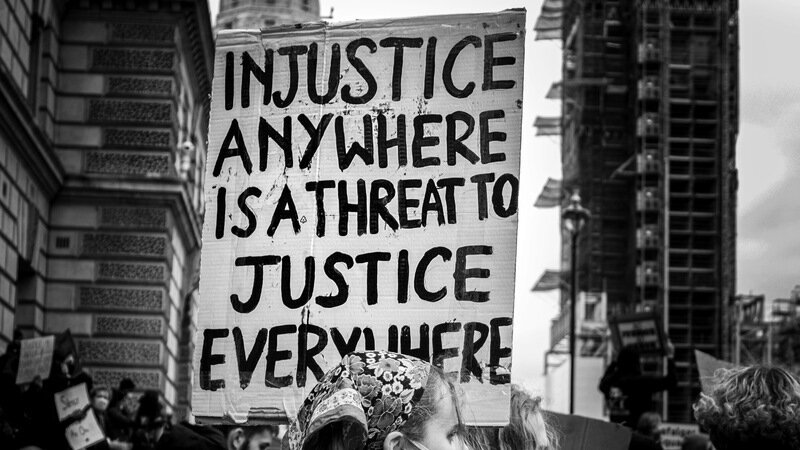
They had one job—keep the campus safe. They failed.
There was no secure gate. People came and went freely. This was a comorbid substance abuse facility, housing a broad spectrum of individuals—from those coming off heroin or severe alcoholism, to people like me: someone who allegedly “abused” cannabis after failing a THC test once in years. I was seeking help for pain following a brutal assault in 2017. What I didn’t expect was to spend 30 days dodging fentanyl on campus or witnessing overdoses on campus, a tri-weekly event, sometimes more.
This wasn’t rare. I filed a FOIA request with the local EMS—at my own expense—and was stunned by how many 911 calls were made from this facility each month. This was back in 2021. Ambulances weren’t rare; they were routine.
In my interview with the Tampa lawyer representing the family of a client whose son passed away, which you can find linked in the main petition and earlier updates, he explains how the facility had skilled lawyers protecting it. According to him, even something as simple as adding a gate would have altered the legal definition of the facility—something they wanted to avoid, which he believes is the real reason they resisted installing one.
https://addictionrecoveryebulletin.org/rehab-sued-fraud-exploitation-neglect-wrongful-death/
What’s even worse is that after someone dies because of their negligence, they continue charging the family for things like urine analysis—for months. They never told billing to stop, never paused to consider the trauma, just kept harassing the grieving family for more money. What kind of f*cked up company does that? Truly evil.
The administration not only ignores basic safety measures, but also the cries of parents whose children died on campus—often poisoned by fentanyl brought in by others. They promise monitoring and care. That’s a lie. You can’t charge people thousands of dollars and then shrug when someone dies on your watch.
This wasn’t just poor management. It was negligence.
They used selective criteria to determine who received proper treatment, often choosing who got access to services like EMDR therapy based on factors other than actual need. Some individuals, regardless of their payment, were denied essential care for reasons that seemed arbitrary and unjust. Who knew you had to play politics even at rehab?
You’d see people ordering Papa John’s pizza every night without issue. But the moment someone they didn’t like—a woman on probation—ordered a smoothie, they kicked her out. No empathy. No warning. Just gone. Knowing full well the legal jeopardy she was in.
This place wasn't just unsafe. It was unjust.
P.S. When I was instructed to go to this place in the Fall of 2021, I felt like I had no other option. I'll never forget that phone call—what I now realize was a form of body brokering, where they manipulated both my parents and the legal system, convincing them they were the best choice for my supposed "cannabis misuse disorder." It was all so smooth, so calculated. I really wish I had remembered their names or the details of how that phone call was orchestrated. One thing was certain, though—they were after a credit card number. I've learned a lot from that experience!
Join this group to find out more, from their page: It's Time For Ethics in Addiction Treatment facebook.com/groups/1601249249894958
What Is Body Brokering?
╰┈➤.In the context of addiction and rehab, body brokering refers to a predatory and illegal practice where individuals, often called "patient brokers," recruit people struggling with addiction and send them to specific rehab centers in exchange for kickbacks or financial incentives from those facilities.
➤ Here’s how it typically works:
1️
≫A broker finds someone with a substance use disorder, often homeless or recently relapsed.
2️
≫They offer money, drugs, or free travel to get the person into a rehab program.
3️
≫The rehab center bills the person’s insurance (often heavily or fraudulently)
4️
≫Once payment is received or benefits run out, the patient is often released—and sometimes recruited again for another center.
╰┈➤.This creates a vicious cycle where vulnerable people are exploited not for recovery, but for profit. It's especially common in areas with dense rehab networks and weak regulation.
✎Signs of Body Brokering in Rehab:
⤷Unsolicited Offers: Someone offers you free treatment or financial incentives to go to a particular rehab center, especially if you're not actively seeking help.
⤷Pressure to Commit Quickly: You feel rushed to enroll in a rehab program without proper consideration or discussion about your needs.
⤷Multiple, Frequent Transfers: If you're moved between different centers repeatedly, especially without clear treatment plans or goals.
⤷Insurance Fraud: A rehab facility insists on billing your insurance for services you didn't receive or for treatments that don’t seem necessary.
⤷Unclear or Non-Transparent Operations: The rehab center is vague about their treatment methods, the costs, or the qualifications of their staff.
➤ If you notice any of these signs, it's important to reach out to a trusted healthcare professional for guidance. Good luck finding one, though, because a lot of the time the people pretending to be a "trusted healthcare professional for guidance" are the body brokers. A lot of them are former addicts themselves, some are experts at crafting the perfectly believable online persona, LinkedIn Profile, accreditations, titles, etc.
➤ Addiction recovery should be about healing, not exploitation. Body brokering in rehab is a dangerous, predatory practice that takes advantage of vulnerable individuals for profit. Stay informed, protect yourself, and seek genuine care. #RecoveryNotExploitation
I'm Honestly Disappointed
I’m honestly so disappointed with how many people have viewed this petition and not signed it. How many have rallied for others in the name of injustice? But now, the silence is deafening.
It’s about assumptions versus reality. The truth is, most people harbor a deep resentment and ill will toward addicts or those with mental health struggles. They fail to understand or care why someone ends up that way, dismissing basic neurobiology and psychology, reducing it all to a character flaw. People are quick to say, “Others made it through,” but that ignores the complexity of individual circumstances and how deeply systemic issues shape addiction and mental health.
Where is the empathy now?
The Work of Dr. Carl Hart
Dr. Carl Hart, a neuroscientist and advocate for drug policy reform, has been reshaping how we think about addiction. His work emphasizes that addiction isn’t simply about the substances people use. It's influenced by a combination of psychological, social, and environmental factors—things like trauma, mental health, and genetics all play a significant role. Addiction isn’t just about the drug; it’s about context.
Dr. Hart challenges the myth that drugs like heroin or cocaine are inherently addictive. In fact, he shows that most people who use these substances don’t become addicted. It’s not the drug that’s the problem, but the environment and individual factors at play. His harm reduction approach encourages understanding and compassion over punishment, advocating for strategies that help people reduce the negative effects of drug use instead of criminalizing them.
He also supports marijuana legalization, emphasizing that criminalizing substances disproportionately harms marginalized communities and fails to address the underlying causes of addiction.
What Dr. Hart teaches us is that addiction is complex, and we need to approach it with education, empathy, and evidence-based policies that focus on care and support. It’s time we stop reducing addiction to simple character flaws and start addressing the real issues with real solutions.
Environmental and Contextual Factors in Addiction: Insights from Vietnam War Veterans
Research conducted during and after the Vietnam War provides compelling insights into how environmental factors influence addiction, particularly among U.S. soldiers who served in Vietnam.
A pivotal study led by Dr. Lee Robins revealed that approximately 34% of U.S. servicemen in Vietnam tried heroin, and about 20% developed symptoms of heroin dependence while deployed. However, upon returning to the United States, the scenario changed dramatically: only 1% of these veterans became re-addicted within the first year, and just 10% even tried heroin after their return. This indicates that the vast majority ceased their heroin use once they left the war environment.
These findings challenge the notion of addiction as a permanent, irreversible condition. Instead, they underscore the significant role environmental contexts play in addictive behaviors. In Vietnam, factors such as the stress of combat, easy access to heroin, and the prevailing drug culture among troops contributed to high usage rates. Conversely, returning to the U.S. removed many of these triggers—veterans found themselves in different social settings, with reduced stress and less access to the drug, which facilitated a natural cessation of use for many.
However, while many veterans ceased heroin use upon returning home, they often struggled with the loss of the high-intensity environment and the close-knit camaraderie experienced during the war. This transition led to feelings of isolation, disconnection, and a diminished sense of purpose. A study published in The American Journal of Drug and Alcohol Abuse found that Vietnam veterans were more likely to have begun using heroin during their military service, often citing the relief it provided from the fear and tensions of war. The study also noted that veterans who had not served in Vietnam were more likely to have begun using drugs after service, often due to boredom and a lack of meaningful activity.
Additionally, the Vietnam Veterans Three Years After Vietnam study highlighted that individuals who used heroin in Vietnam were predisposed to have serious social problems even before they touched heroin, suggesting that the challenges faced upon returning home were multifaceted. The abrupt shift from a structured, communal, and high-stakes environment to a more isolated and less purposeful civilian life posed substantial challenges for many veterans, contributing to feelings of loneliness and, in some cases, difficulties in readjusting to civilian life, which could promote relapse.
These findings underscore the significant role environmental and social factors play in addiction and mental health. The transition from the highly structured, mission-oriented environment of war to the relatively isolating and uncertain civilian world further emphasizes the importance of environmental context in understanding addiction and recovery. It suggests that, for some individuals, a shift in environment—such as moving from a chaotic, high-stress environment to a more stable and supportive one—can be pivotal in breaking addictive behaviors and promoting mental health recovery.
TL;DR:
Addiction among Vietnam War veterans largely stemmed from environmental factors—stress, easy access to heroin, and the war's chaotic nature. When veterans returned home, the absence of these triggers allowed many to stop using heroin. However, many struggled with the loss of the sense of purpose, camaraderie, and connection they had in the high-intensity war environment, leading to feelings of isolation and difficulties in readjusting to civilian life, which could promote relapse. This highlights the profound impact of environment on addiction and recovery.
Sources:
Lee Robins' Studies of Heroin Use Among US Vietnam Veterans - PubMed
The American Journal of Drug and Alcohol Abuse - PubMed
Vietnam Veterans Three Years After Vietnam - ResearchGate
A deeper dive into mental health, comorbid with addiction and sometimes unknown to patients, brain injuries/concussions (traumatic brain injuries, which can vary in severity) for anyone interested:
So many comments about "well, just unalive them or get rid of them!" So I've decided to launch into a diatribe about mental health. Whether you've had your car broken into and are furious about it or you have a loved one who's engaged in heartbreakingly criminal behavior and you don't understand why, it’s vital to dig deeper into WHY. Not to excuse the acts themselves, but understanding the root causes is key.
The same people who preach about "compassion" in schools, churches, and families are often the first to scream "just get rid of them" when faced with a societal issue. It’s easy to demand punishment until it’s your loved one caught in a broken system that selectively applies justice—where some people are made examples of while truly heinous individuals walk free.
The reality is that most of the people committing these crimes have deep, unresolved trauma and were never given the tools or support to heal themselves. But instead of addressing root causes, we throw them in cells, release them worse than before, and act surprised when the cycle continues. Meanwhile, we live in a screen-addicted society where lost and vulnerable people are influenced by music and media that glorify immorality, yet no one wants to talk about that.
There are real, research-backed solutions that consider neuroscience and sociology—things that actually work. Programs like John Volken Academy, while not perfect, recognize that healing takes years, not just a prison sentence. But instead of funding solutions, we waste trillions elsewhere. There’s always money for certain causes, but never enough to address problems in a way that would actually prevent crime instead of reacting to it.
Research consistently shows that incarceration alone is ineffective in reducing recidivism rates and may even increase the likelihood of reoffending. A 2021 meta-analysis of 116 studies found that custodial sentences do not prevent reoffending and can actually increase it. Similarly, a 2020 study published by the National Bureau of Economic Research highlights that while incarceration may deter some offenders, it often leads to negative outcomes such as human capital depreciation and increased recidivism due to exposure to hardened criminals and societal stigma.
In contrast, rehabilitation programs that focus on addressing the underlying causes of criminal behavior have shown promise. For instance, therapeutic communities, which emphasize holistic change, have been associated with decreased rates of recidivism. The John Volken Academy employs this approach, providing long-term residential programs focused on life skills training and behavioral modification. There are some recent concerns about this facility that have come to light, but the principles behind its methods are solid—providing food, shelter, a sense of purpose for at least two years to help people with serious issues. Sadly, in the wrong hands, the day-to-day life can become distorted with ethical and moral violations.
Investing in evidence-based rehabilitation strategies not only reduces crime but also offers fiscal benefits by decreasing incarceration costs and crime victim assistance expenses. In addition to the John Volken Academy, other rehabilitation programs have demonstrated success in reducing recidivism by addressing underlying issues and fostering community integration. For example, Israel's Kibbutz Resocialization Program places released prisoners in kibbutzim—collective communities—where they engage in communal work and social activities. A study examining 110 participants found a reincarceration rate of 22.7%, significantly lower than the 63% average for the general released prisoner population in Israel. Key factors contributing to successful rehabilitation included length of stay, social and employment integration, and adherence to kibbutz norms.
Another example is the Sdeh Bar Ranch in Israel, a residential children's home dedicated to rehabilitating at-risk boys. Established in 1998, the ranch offers therapy, education, and skill-building activities such as farming and horseback riding, aiming to rebuild the youths' sense of security and trust.
These programs highlight the effectiveness of community-based rehabilitation approaches that focus on holistic development and social integration, contrasting with punitive measures that often fail to address the root causes of criminal behavior. But sure—keep pretending that "just get rid of them" is a solution. It’s not. It’s just lazy.
For anyone struggling:
“The Hunger Beneath the Hunger: Anorexia, Addiction & Longing”
This is a long-form piece unpacking the emotional root of addiction and eating disorders—how it’s less about food or substances and more about the ache to feel safe, to disappear, or to control when everything feels chaotic. I talk about trauma, spiritual hunger, and that haunting feeling of “never enough.” Find it on my substack Datura.
Here are some other topics that reflect on people who become increasingly lacking in conscientiousness when their ideas are abandoned/ignored, or their minds are not encouraged or fostered to reflect upon their behavior: 2. On slipping, spirals, and self-abandonment
A shorter post reflecting on the shame and confusion that comes with relapse or backsliding—and how it can feel like betraying yourself all over again, even when you know better. 3. The lie that we “should” be okay by now
About how easy it is to beat ourselves up for not being “healed yet.” This post talks about the illusion of linear progress and how healing is actually messy, cyclical, and nonlinear—and that’s okay. 4. On loneliness, longing, and the pull to check out
Touches on the deep, often hidden loneliness that underpins addiction and compulsive behaviors—the craving to disappear into something that numbs, even when what we really need is connection. 5. When self-help doesn’t helpA kind of anti-self-help reflection—about how sometimes all the right tools, books, powders, and practices still don’t fix it. And how that doesn’t mean you’re broken. Just tired.
📚 Bonus: Book + Resource List
At the end of the long-form piece, I've included a list of books, quotes, and online resources that have helped me—especially around trauma, codependency, and nervous system healing. Here are a few key ones:
In the Realm of Hungry Ghosts - Gabor Maté
The Body Keeps the Score - Bessel van der Kolk
Facing Codependence - Pia Mellody
Adult Children of Emotionally Immature Parents - Lindsay C. Gibson
ACoA (Adult Children of Alcoholics) community/resources.
Books & Resources for Those Struggling with the Law, Mental Health, and Trauma:
The Deepest Well: Healing the Long-Term Effects of Childhood Adversity – Dr. Nadine Burke Harris
Explores Adverse Childhood Experiences (ACEs) and how early trauma rewires the brain, increasing risks for addiction, mental illness, and legal trouble.
What Happened to You? Conversations on Trauma, Resilience, and Healing – Bruce Perry & Oprah Winfrey
Shifts the question from "What's wrong with you?" to "What happened to you?"—a vital perspective when understanding why so many people end up in legal trouble due to unresolved trauma.
On Addiction, the Criminal Justice System & Mental Health:
The Body Keeps the Score – Bessel van der Kolk
Explains how trauma is stored in the body and how it fuels addiction, rage, impulsivity, and reckless behavior—including legal trouble.
In the Realm of Hungry Ghosts: Close Encounters with Addiction – Gabor Maté
Explores addiction as a response to trauma rather than just a bad choice—perfect for understanding why so many people cycle in and out of the legal system.
The New Jim Crow: Mass Incarceration in the Age of Colorblindness – Michelle Alexander
A must-read for understanding how race, trauma, and the legal system intersect, leading to mass incarceration.
Online Resources & Organizations:
National Alliance on Mental Illness (NAMI) – Criminal Justice Resources
Support for people with mental illness caught in the legal system + resources for families.
Borderline Personality Disorder Resource Center
Info on BPD, treatment, and support networks.
The Sentencing Project
Research on how the justice system disproportionately harms people with trauma, addiction, and mental health disorders.
The Overlooked Link: Traumatic Brain Injuries (TBI), Concussions & Legal Trouble
Traumatic Brain Injuries (TBI) and repeated concussions can drastically affect impulse control, emotional regulation, and decision-making. Many people with a history of head injuries—especially those who have played contact sports, been in car accidents, or experienced violence—find themselves in legal trouble due to aggression, poor judgment, or substance use. Unfortunately, TBIs are often ignored in the legal system, leaving individuals criminalized rather than treated.
Brain Injury Association of America (BIAA) – Criminal Justice & TBI
Explains how untreated TBIs contribute to legal trouble, incarceration rates, and misdiagnoses of mental illness.