ICUの建築群(本館、ディッフェンドルファー記念館、教会堂、図書館、理学館)「2020年モダンムーブメントの建築」に選定されました

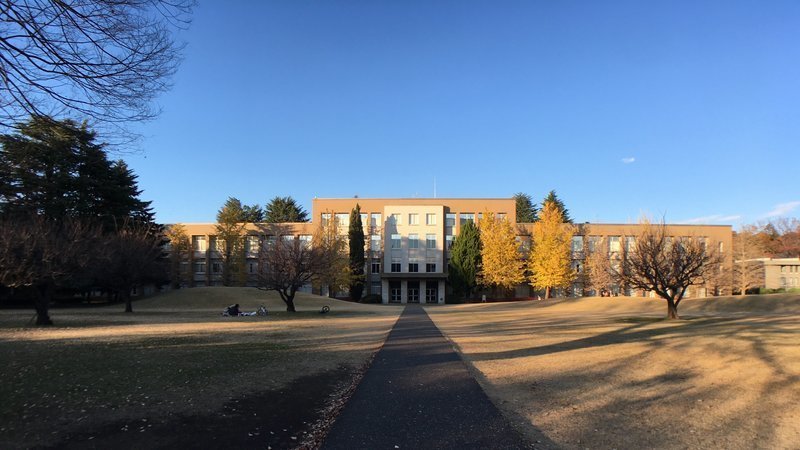
ICUの建築群(本館、ディッフェンドルファー記念館、教会堂、図書館、理学館)が、Docomomo Japanにより、「2020年モダンムーブメントの建築」に選定されました!(※2021/6/15に掲載、2021/6/21に英訳を追記しました)
https://www.docomomojapan.com
199追加/関東/東京/国際基督教大学の建築群(本館、ディッフェンドルファー記念館、教会堂、図書館、理学館)
/本館:中島飛行機設計本館:大倉土木(加倉井昭夫),
大学本館化改装工事基本計画設計(1948)
:大成建設(吉家光夫),
大学本館化増築改修設計(1949~50):ヴォーリズ建築事務所、
ディッフェンドルファー記念館:ヴォーリズ建築事務所、
礼拝堂:第一期ヴォーリズ建築事務所,第二期(増築改修工事)レーモンド建築設計事務所、
図書館:レーモンド建築設計事務所、
理学館:稲富建築設計事務所/本館:大倉土木(1944年),大成建設(1952年増築改修)、
ディッフェンドルファー記念館:大成建設、礼拝堂:大成建設(一期・二期共)、図書館:大成建設
理学館:竹中工務店/1944-1972年
ドコモモ(DOCOMOMO=Documentation and Conservation of buildings, sites and neighborhoods of the Modern Movement)
とは、モダン・ムーブメントにかかわる建物と環境形成の記録調査および保存のための国際組織です。近代の建築に関するユネスコの世界遺産選定の動きに関連して、ユネスコから協力が依頼されており、その諮問機関であるICOMOSや国際建築家連盟であるUIAとも協力を深めています(docomomojapan HPより)。
ICUの建築の中では、ディッフェンドルファー記念館がすでに選定されていましたが、今回は、本館、ディッフェンドルファー記念館、教会堂、図書館、理学館を含む「ICUの建築群」として選定されました。
これまでドコモモジャパンにより選定された建築物はメディアにも多く登場しています。その中の一つ、ル・コルビュジェによる国立西洋美術館(1959年)は、世界遺産に登録されており、ご存知の方も多いかと思います。ICUの建築群に、同様の保存価値があることが示されたと言えるのではないでしょうか。
なお、今回選定された建築群と同時期に建設された、第三女子寮、カナダハウス、第四女子寮も、保存対象として推薦されました。これら学生寮の卒業生たちは、ICUの発展を支え、50年以上もの間、様々な分野に卒業生を送り出しています。
残念ながら、本館、ディッフェンドルファー記念館と同様、ウィリアム・メレル・ヴォーリズによる建築であった、第一女子寮、第一男子寮、第二女子寮、第二男子寮は、惜しまれながらも閉鎖、解体され、第二男子寮の跡地には楓寮、樅寮が建設されました。また、2019年にHPに、キャンパスグランドデザインに代わり掲載された「施設・設備の現状と展望」(https://www.icu.ac.jp/about/docs/Campus_plan.pdf
においては、第三女子寮、カナダハウス、第四女子寮の3寮については、補修計画が示されておらず、在学生及びOBOG、関係者は今後の状況を注視しています。
第三女子寮、カナダハウス、第四女子寮の3寮(通称:旧寮)は、ICUの発展を創設時から見つめてきた重要な建築物として、今後も、Docomomojapanに対し推薦していく予定となっています。
なお、大学など教育機関の建築物としては、慶應義塾幼稚舎、自由学園明日館、東京芸術大学(図書館・絵画棟・彫刻棟)も、Docomomo
Japanの調査により、モダン・ムーブメントの建築に選定されています。
The Buildings of ICU (Main Building, Diffendorfer Memorial Hall,
Church, Library, Rigakukan), (hitherto ‘Buildings’), have been
selected by Docomomo Japan as ‘the Modern Movement Buildings of 2020’!
https://www.docomomojapan.com
The Buildings were registered as 199th in the DOCOMOMO_Japan catalogue for Tokyo and the Kanto Region.
Honkan, designed by Kakurai Akio of the Okura Doboku Kabushiki Gaisha for the Nakajima Aircraft Company in 1948 with renovation work in 1949-1950 by Vories and Co.
The Diffendorfer Memorial Hall was designed by Vories and Co.
The Church was designed in the first instance by Vories and Co., with
subsequent renovation work by Antonin Raymond Kenchiku Sekkei Jimusho
The Library was designed by the Antonin Raymond Kenchiku Sekkei Jimusho
The Rigakukan wasdesigned by the Inadomi Kenchiku Sekkei Jimusho
Honkan was built by the Okura Doboku Kabushiki Gaisha in 1944, with
renovation in 1952 by Taisei Corporatoin.
The Diffendorfer Memorial Hall, Church (original and renovations) and
Library were built by Taisei Corporation.
The Rigagkukan was built by the Takenaka Corporation between 1944 and 1972
DOCOMOMO = Documentation and Conservation of buildings, sites and neighborhoods of the Modern Movement is an international organisation for the recognition and conservation of buildings and environmental construction related to the Modern Movement. It is an organisation which UNESCO has relied upon in relation to the recognition of modern buildings for world heritage assessment, and has been deepening its relationships to ICOMOS, UNESCO’s advisory panel on world heritage sites, and the International Union of Architects (UIA) a global association representing the world’s 3.2 million architects. (cf.
DOCOMOMO_Japan website)
Within the ICU, the Diffendorfer Memorial Hall had already been
selected, but on top of this, the Honkan, the Church, the Library and
the Rigakukan have been selected as the ‘Buildings of ICU’,
(heretofore ‘Buildings’).
Buildings that have been selected by DOCOMOMO_Japan have gained wide acclaim in the media. Many of you will already be familiar with the
National Museum of Western Art (1959) designed by Le Corbusier which
has been registered as a World Heritage site. This time, the Buildings
of the ICU have been recognised as being of a similar architectural stature and conservation value.
The buildings of the Third Women’s Dormitory, Canada House and the
Fourth Women’s Dormitory which were built at the same time as the
Buildings have been nominated for conservation. Graduates of these
student dormitories have supported the development of ICU over more
than 50 years, and have contributed to and gained acclaimed in numerous fields of professional activity.
Regrettably, the First Women’s Dormitory, the First Men’s Dormitory,
the Second Women’s Dormitory and the Second Men’s Dormitory, buildings which were designed by William Merrell Vories (also known as Merrell Vories Hitotsuyanagi) who also designed the Diffendorfer Memorial Hall and Church have now been demolished and destroyed.
However, the Third Women’s Dormitory, Canada House and the Fourth
Women’s Dormitory (endearingly referred to as the ‘Old Dormitories’)
remain, and as buildings which have been central to the development of
the ICU from its origins, will be recommended to DOCOMOMO_Japan for registration.
Finally, other notable educational institutions that have been
selected by DOCOMOMO_Japan as outstanding examples of the Modern Movement include the buildings of the Keio Children’s School the Myonichikan of Jiyu Gakuen and the University Library, Painting and
Sculpture Buildings of the Tokyo University of the Arts.