
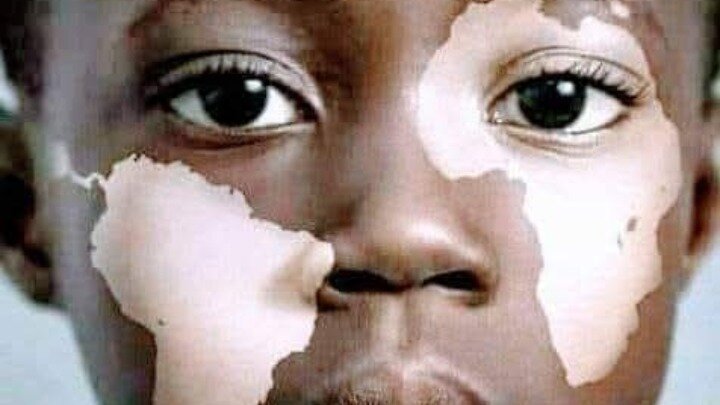
AFRICA DAY: A CONTINENT REBORN
INTRODUCTION: OVERCOMING THE SHADOW OF COLONIALISM
Africa Day, observed annually on May 25th, commemorates the founding of the Organization of African Unity (OAU) in 1963, now the African Union (AU). But more than a symbolic date, it is a day that echoes with the voices of resistance, rebirth, and reclamation. It has been over six decades since Ghana blazed the trail toward independence in 1957, breaking the shackles of European colonialism that gripped the continent for centuries. That moment triggered a wave of liberation across Africa, transforming an oppressed continent into one standing boldly in pursuit of unity, self-determination, and sovereignty.
GHANA: THE SPARK THAT IGNITED A MOVEMENT
Ghana's independence, led by Kwame Nkrumah, was not just a national victory—it was a continental awakening. As the first sub-Saharan African country to gain independence from colonial rule, Ghana symbolized the possibility of freedom for all African nations. The Pan-African spirit championed by Nkrumah called for the unity of African states and the rejection of neocolonial control. What followed was a domino effect: Guinea, Nigeria, Senegal, and dozens more soon joined the growing family of sovereign African nations. Yet, independence was not without its obstacles. New forms of economic domination, military coups, and ideological battles soon exposed the vulnerability of young African states.
AFRICAN TRIBES ACROSS THE GLOBE
Africa is not defined solely by modern borders, but by the enduring legacy of its tribal nations. These ancestral groups have carried African identity far beyond the continent:
Zulu (South Africa): Known for their military strategies under Shaka Zulu, they remain a symbol of pride and resilience.
Yoruba (West Africa): With roots in Nigeria and Benin, the Yoruba have influenced art, music, and religion in the Americas through the transatlantic slave trade.
Akan (Ghana and Ivory Coast): Famous for their golden heritage and cultural contributions, the Akan people helped shape pan-African consciousness.
From Brazil to Jamaica, and from Harlem to Haiti, African tribal identities have persisted through displacement, forging diasporic connections that defy colonial erasure.
CULTURE AS RESISTANCE: IDENTITY AND EXPLOITATION
Africa’s influence is deeply embedded in global language, fashion, food, music, and spirituality. African rhythms birthed blues, jazz, reggae, and hip-hop. African textile patterns influence haute couture. Yet, the same culture that the world embraces is often commodified and stripped of context. Western corporations exploit African aesthetics, African labor, and African stories, rarely crediting or benefiting the source. But in this paradox lies the truth: Africa never stopped shaping the world. And that power, when reclaimed, becomes a tool of resistance.
RECLAIMING: THE RISING TIDE OF CONSCIOUSNESS
Across the continent, a new generation is rising—one rooted in ancestral wisdom and future-focused innovation. The Sahel Revolution and the political reawakening in countries like Burkina Faso, Mali, and Niger reflect a dramatic rejection of neocolonial influence and Western military presence. Young African leaders and thinkers are questioning inherited systems, rewriting narratives, and reviving pride in African knowledge systems.
Voices such as Dr. Umar Johnson, Kemi Seba, and Julius Malema echo this new defiance—challenging false narratives, foreign exploitation, and self-doubt. Social media, literature, and local revolutions alike are helping Africans reclaim their names, languages, land, and legacy. This is not just a moment—it is a movement.
CONCLUSION & CALL TO ACTION: UNITE AND ADVANCE
Africa Day must be more than a ceremonial remembrance—it must be a call to action. To reject imposed identities, to unify despite borders, and to invest in African minds and economies. It is time for Africans everywhere to re-center Africa in the global conversation, not as a victim but as a visionary force. Through honoring our ancestors, empowering our youth, and reclaiming our narratives, Africa can lead again—not as a continent waiting to be saved, but as one already rising.
CELEBRATING AFRICAN HEROES WORLDWIDE
Honoring 50 Fallen Giants Who Shaped Black History and Global Legacy
FALLEN BLACK LEGENDS
1. Imhotep
1. Queen Nefertiti
2. Hannibal Barca
2. Queen Nzinga Mbande
3. Mansa Musa
3. Winnie Madikizela-Mandela
4. Marcus Garvey
4. Funmilayo Ransome-Kuti
5. Haile Selassie
5. Queen Yaa Asantewaa
6. Kwame Nkrumah
6. Mama Charlotte Maxeke
7. Thomas Sankara
7. Miriam Makeba
8. Muhammad Ali
8. Queen Nandi (Shaka Zulu's Mother)
9. Steve Biko
9. Dr Frances Cress Welsing
10. Malcolm X
10. Princess Magogo kaDinuzulu
11. Muammar Gaddafi
11. Queen Amina of Zazzau
12. Dr Sebi
12. Sara Baartman
13. Patrice Lumumba
13. Queen Muhumuza
14. Dr Khalid Muhammad
14. Queen Moremi Ajasoro
15. Bob Marley
15. Oshun (Yoruba deity/legendary figure)
16. Huey P. Newton
16. Nina Simone
17. Samora Machel
17. Queen Ranavalona I
18. Fela Kuti
18. Khadija of Timbuktu
19. Toussaint Louverture
19. Queen Pokou
20. Julius Nyerere
20. Mama Africa of Kenya (Mau Mau)
21. Martin Luther King Jr.
21. Ethel Payne
22. Amílcar Cabral
22. Queen Tiye (Ancient Egypt)
23. Robert Sobukwe
23. Queen Kaipkire (Namibia)
24. Tupac Shakur
24. Queen Nzinga of Ndongo and Matamba
25. Shaka Zulu
25. María Remedios del Valle