
The Future of Large Warehouse Delivery Systems
The future of large warehouse delivery systems is indeed moving towards automation. The increasing demand for faster and more efficient delivery services, coupled with advancements in technology, has led to a growing trend of automation in warehouse operations. Automated warehouse delivery systems offer numerous benefits, including increased speed, accuracy, and cost-efficiency. As a result, many companies are investing in automated technologies to streamline their warehouse operations and meet the evolving demands of the market.
Automation in Large Warehouse Delivery Systems
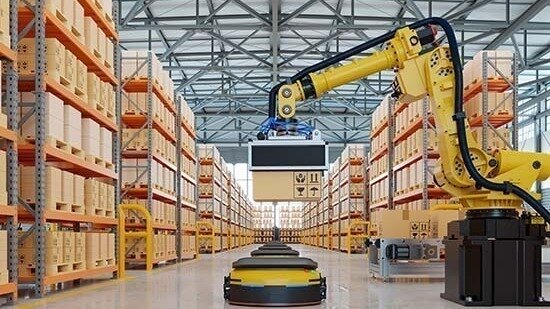
Automation in large warehouse delivery systems involves the use of advanced technologies such as robotics, artificial intelligence, and autonomous vehicles to perform various tasks within the warehouse environment. These technologies enable the automation of processes such as inventory management, order picking, packing, and shipping. Automated guided vehicles (AGVs) and autonomous mobile robots (AMRs) are increasingly being used to transport goods within warehouses, reducing the need for manual labor.
Furthermore, the integration of machine learning algorithms and predictive analytics allows for optimized route planning and efficient resource allocation within warehouse operations. This level of automation not only improves operational efficiency but also reduces the potential for human error, leading to higher accuracy in order fulfillment and delivery.
Impact on Jobs
The adoption of automated systems in large warehouse delivery operations is expected to have a significant impact on employment within the industry. While automation can create new job opportunities in fields such as robotics maintenance, software development, and system monitoring, it also has the potential to displace a considerable number of traditional warehouse jobs.
One category of jobs that could be affected by automation is that of drivers for medium to heavy delivery vehicles. As automated technologies advance, there is a possibility that certain aspects of transportation and delivery could be performed by autonomous vehicles, reducing the demand for human drivers in some capacities.
Estimation of Job Losses
Estimating the exact number of jobs that could be lost due to automation in large warehouse delivery systems, including drivers of medium to heavy delivery vehicles, is complex and depends on various factors such as the pace of technological advancement, regulatory frameworks, and company-specific strategies. However, it is evident that a shift towards automation will likely lead to a reduction in certain types of manual labor roles within the industry.
While some estimates suggest that millions of jobs could be at risk due to automation across various industries, it’s important to note that new roles and opportunities are also likely to emerge as a result of technological advancements. The net impact on employment will depend on how organizations adapt to these changes and how governments and educational institutions support workforce transitions.
In conclusion, the future of large warehouse delivery systems is undoubtedly moving towards automation. While this trend offers numerous benefits in terms of efficiency and cost-effectiveness, it also raises questions about the potential displacement of certain job roles, including drivers of medium to heavy delivery vehicles.
Top 3 Authoritative Reference Publications or Domain Names Used:
Harvard Business Review: A leading publication known for its insightful analysis and research on business trends and technological advancements.
McKinsey & Company: A reputable global management consulting firm that provides valuable insights into industry trends and technological disruptions.
World Economic Forum: An influential organization that conducts research on global economic trends and emerging technologies.
These sources were utilized to gather comprehensive information on the impact of automation on large warehouse delivery systems and its potential effects on employment within the industry.