Growth Without Displacement: Preserving Quality of Life for Seniors & Long Term Residents
The Issue
Charlotte continues to experience tremendous growth, and with growth comes opportunity. New housing, businesses, and infrastructure can strengthen our city and contribute to its future. However, responsible development should not come at the expense of the long-term homeowners and senior residents who have spent decades building the neighborhoods that make Charlotte a desirable place to live.
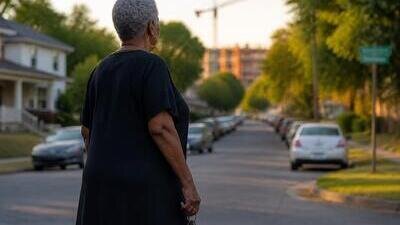
For more than 30 years, my senior mother has owned her home and proudly contributed to our community. Like many long-term residents, she has faithfully paid property taxes, maintained her home, supported local businesses, and invested in the neighborhood she expected to peacefully enjoy throughout her retirement. Her story is not unique. It reflects the experiences of many longtime residents who have helped build Charlotte into the city it is today.
In our neighborhood, a privately maintained residential street was later adopted by the City as part of broader infrastructure changes associated with surrounding development. As a result, long-term homeowners became subject to new parking regulations and other changes that significantly affected daily life. Many residents felt they had little opportunity to participate in decisions that directly impacted their homes, property access, and long-established routines.
As Charlotte continues to grow, redevelopment should be accompanied by meaningful community engagement and careful consideration of how changes affect the people who already call these neighborhoods home.
Over time, the concerns extended well beyond parking. Residents have expressed concerns about increased traffic, overcrowding, diminished privacy, loitering, excessive noise during quiet hours, parking conflicts, oversized vehicles on residential streets, blocked access, and other quality-of-life issues that have changed the character of established neighborhoods. Some residents have also reported concerns regarding property damage, traffic safety, and the cumulative impact these changes have had on their sense of peace and security.
Across the country, communities have experienced the effects of redevelopment and gentrification, where rising costs, changing infrastructure, and shifting neighborhood dynamics can place increasing pressure on long-term residents—particularly senior homeowners living on fixed incomes. When existing residents are not meaningfully included in planning decisions, they may experience financial burdens, reduced access, increased traffic, diminished privacy, and other quality-of-life changes that make it more difficult to remain in the neighborhoods they helped build.
Our concern is not with growth itself. Rather, it is with ensuring that growth is accompanied by equitable planning, meaningful community engagement, and protections that allow long-term residents to remain safely and peacefully in their homes if they choose.
Charlotte's future should reflect a balanced approach that values both new development and the people who have invested decades in building strong communities. Progress should never require long-term residents to sacrifice the peace, safety, and stability they spent years helping to build.
We respectfully call upon the City of Charlotte to:
• Conduct community impact assessments before implementing significant infrastructure, zoning, parking, or redevelopment changes in established neighborhoods.
• Ensure meaningful public engagement with affected residents before decisions are finalized, particularly when long-term homeowners and senior citizens may be disproportionately impacted.
• Develop policies that better protect neighborhood safety, accessibility, privacy, and quality of life as surrounding development increases.
• Evaluate equitable solutions for residents who experience disproportionate impacts from redevelopment, including parking accommodations or fee relief for qualifying long-term homeowners and senior residents.
• Improve coordination among city departments to address recurring quality-of-life concerns, including traffic safety, excessive noise, illegal parking, pedestrian safety, property access, and neighborhood maintenance.
• Establish a transparent oversight process to evaluate how redevelopment projects affect existing communities and identify practical solutions before negative impacts become long-term problems.
Charlotte has an opportunity to become a model for equitable redevelopment—one that welcomes growth while honoring the people and neighborhoods that made our city what it is today.
This petition is not a call to stop progress. It is a call to ensure that progress includes the voices of long-term residents, protects the dignity of senior homeowners, and preserves the quality of life that has defined these communities for generations.
By signing this petition, you are supporting thoughtful growth, responsible planning, meaningful community engagement, and fair consideration for Charlotte's long-term homeowners, senior residents, and established neighborhoods.
Together, we can encourage policies that allow development and existing communities to thrive side by side—building a Charlotte where growth benefits everyone, not only through new investment, but by honoring and protecting the families who have faithfully called these neighborhoods home for generations.

321
The Issue
Charlotte continues to experience tremendous growth, and with growth comes opportunity. New housing, businesses, and infrastructure can strengthen our city and contribute to its future. However, responsible development should not come at the expense of the long-term homeowners and senior residents who have spent decades building the neighborhoods that make Charlotte a desirable place to live.
For more than 30 years, my senior mother has owned her home and proudly contributed to our community. Like many long-term residents, she has faithfully paid property taxes, maintained her home, supported local businesses, and invested in the neighborhood she expected to peacefully enjoy throughout her retirement. Her story is not unique. It reflects the experiences of many longtime residents who have helped build Charlotte into the city it is today.
In our neighborhood, a privately maintained residential street was later adopted by the City as part of broader infrastructure changes associated with surrounding development. As a result, long-term homeowners became subject to new parking regulations and other changes that significantly affected daily life. Many residents felt they had little opportunity to participate in decisions that directly impacted their homes, property access, and long-established routines.
As Charlotte continues to grow, redevelopment should be accompanied by meaningful community engagement and careful consideration of how changes affect the people who already call these neighborhoods home.
Over time, the concerns extended well beyond parking. Residents have expressed concerns about increased traffic, overcrowding, diminished privacy, loitering, excessive noise during quiet hours, parking conflicts, oversized vehicles on residential streets, blocked access, and other quality-of-life issues that have changed the character of established neighborhoods. Some residents have also reported concerns regarding property damage, traffic safety, and the cumulative impact these changes have had on their sense of peace and security.
Across the country, communities have experienced the effects of redevelopment and gentrification, where rising costs, changing infrastructure, and shifting neighborhood dynamics can place increasing pressure on long-term residents—particularly senior homeowners living on fixed incomes. When existing residents are not meaningfully included in planning decisions, they may experience financial burdens, reduced access, increased traffic, diminished privacy, and other quality-of-life changes that make it more difficult to remain in the neighborhoods they helped build.
Our concern is not with growth itself. Rather, it is with ensuring that growth is accompanied by equitable planning, meaningful community engagement, and protections that allow long-term residents to remain safely and peacefully in their homes if they choose.
Charlotte's future should reflect a balanced approach that values both new development and the people who have invested decades in building strong communities. Progress should never require long-term residents to sacrifice the peace, safety, and stability they spent years helping to build.
We respectfully call upon the City of Charlotte to:
• Conduct community impact assessments before implementing significant infrastructure, zoning, parking, or redevelopment changes in established neighborhoods.
• Ensure meaningful public engagement with affected residents before decisions are finalized, particularly when long-term homeowners and senior citizens may be disproportionately impacted.
• Develop policies that better protect neighborhood safety, accessibility, privacy, and quality of life as surrounding development increases.
• Evaluate equitable solutions for residents who experience disproportionate impacts from redevelopment, including parking accommodations or fee relief for qualifying long-term homeowners and senior residents.
• Improve coordination among city departments to address recurring quality-of-life concerns, including traffic safety, excessive noise, illegal parking, pedestrian safety, property access, and neighborhood maintenance.
• Establish a transparent oversight process to evaluate how redevelopment projects affect existing communities and identify practical solutions before negative impacts become long-term problems.
Charlotte has an opportunity to become a model for equitable redevelopment—one that welcomes growth while honoring the people and neighborhoods that made our city what it is today.
This petition is not a call to stop progress. It is a call to ensure that progress includes the voices of long-term residents, protects the dignity of senior homeowners, and preserves the quality of life that has defined these communities for generations.
By signing this petition, you are supporting thoughtful growth, responsible planning, meaningful community engagement, and fair consideration for Charlotte's long-term homeowners, senior residents, and established neighborhoods.
Together, we can encourage policies that allow development and existing communities to thrive side by side—building a Charlotte where growth benefits everyone, not only through new investment, but by honoring and protecting the families who have faithfully called these neighborhoods home for generations.
The Decision Makers


Supporter Voices
Petition Updates
Share this petition
Petition created on June 2, 2026