
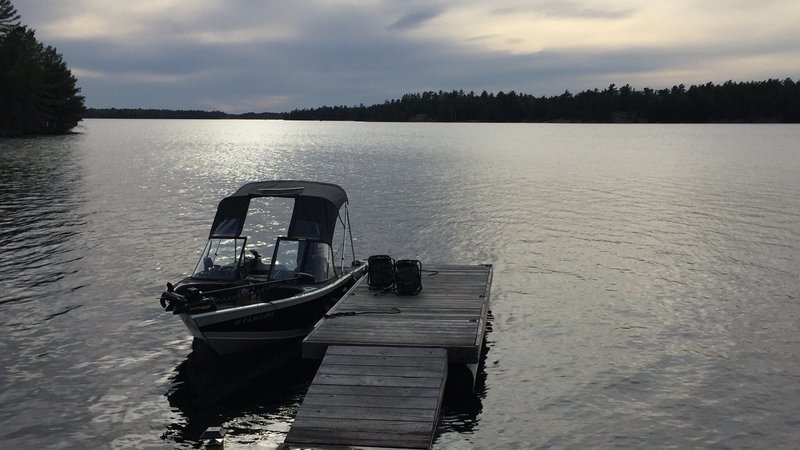
For government services such as navigation buoys, Coast Guard, Search & Rescue, marine radio and weather forecasts.
Non-boaters and legislators wrongly think that boaters do not pay taxes and therefore should be targeted for new revenue.
Boaters pay many kinds of taxes and fees, such as VHF licence fees and fees to use federal harbours and heritage canals. Less obvious are the portion of mooring fees charged by marinas to pay the rent that government charges for recreational harbours.
When it comes to taxes, it is easier to see where boaters are paying. All boaters in Canada now pay Goods and Services Tax on their marina fees, club fees, mooring fees, boat insurance premiums, boat repairs, and all other services.
Canadians in most provinces pay a combination of GST (federal goods and services tax) and PST (provincial sales tax) when buying a new boat and or boat equipment. In most provinces this adds a hefty amount to the price. The only way to save money on a new boat is with a trade-in, if you only need to pay sales tax on the difference.
In Ontario, boaters pay an extra 8% on previously exempt costs: dockage, winter storage, mast stepping, haulout, holding tank pumpout, fuel and brokerage fees.
Boaters pay tax when they buy fuel for their boat. This may not add up to much for sailboats, but owners of powerboats with large engines will end up paying a tidy sum to governments for an afternoon on the water. There is no break on fuel tax for boaters in Canada, even though they do not use roads, bridges and ferries, the purpose of fuel taxes.
None of the taxes are directed towards funding of any recreational boating services. Despite charging boaters fees and taxes, the government does not provide many services specifically for the recreational boating community. In fact, there was a rash of cutbacks in services used by recreational boats such as navigational aids, weather forecasting, and vessel towing. This is because commercial ships with electronic navigation and charting equipment no longer require the services used by pleasure boats and do not want to pay for them.
In the U.S., boaters who paid fuel tax may be able to get a refund of all or part of that? Highway use tax? Depending on the state in which the fuel was purchased, according to American Boating Association. Many states use the tax for boating programs, and in 2009 ten states started refunding part of the tax. The remaining states and all Canadian provinces need to be reminded that taxing fuel that is not used for highways (such as boats) is unfair.
Federal and provincial governments regularly propose new boat operator and vessel licence and registration fees. It is easy to imagine future increases -- and the money would not necessarily be used to provide boating services.
Oddly enough, many boaters seem to think licences are a good idea, arguing that "regulation" will provide fewer idiots on the water. Boaters in Canada are almost completely unorganized, which makes them particularly vulnerable to new government fees and taxes. Boaters know the public thinks of them as "rich boaters", but they don't really realize that public policy is built on these misconceptions.
The federal government has exclusive authority when it comes to dealing with boating (more specifically, "Navigation and Shipping") in Canada. Parliament will probably delegate the administration of matters coming under its jurisdiction to the provinces, but they cannot delegate the legislative authority.
HST 'harmonized tax' for Boaters
When Ontario's 13% HST began July 1, 2010, the 8% PST (provincial sales tax) was combined with the 5% GST (good and services tax).
The 'harmonized tax' of 13% covers a wide range of services previously exempt from Ontario PST. This basically means that Ontario boaters will pay 13% instead of 5% on almost all marine services. see the [Government Directory: Revenue Canada]
With the HST, Ontario boaters pay 8% more tax on these previously PST-exempt costs (other provinces have different PST exemptions):
1. dockage, mooring
2. winter storage
3. mechanic, repair services
4. mast stepping
5. haulout & launching
6. holding tank pump out
7. hydro fees
8. fuels (gas, diesel, oil, propane)
9. safety equipment
10. boat brokerage fees
11. marine surveys
12. legal services
13. cell phone, internet services
14. taxi rides
15. camping fees
16. meals under $4
17. mutual fund management fees
You may notice that this list contains many of the expenses you have during an average year on the water. Add up your bills for these items and multiply by .08 to calculate the additional tax you will have to pay.
The average cruiser using marina services and buying fuels will pay hundreds of dollars more every year. Since HST cuts costs for businesses, this should have resulted in lower prices, but that has not happened.
Source: http://boating.ncf.ca/tax-fees.html
Boaters absolutely pay their share of taxes and fees for the entire province of Ontario and don’t let anyone tell you otherwise.
We all have the right to put our boats in the water because we’ve been paying for it and continue to pay for it.
There are absolutely feasible ways to come up with additional safety solutions instead of additionally destroying one more major income stream to the province of Ontario and shutting everything down.
And currently we have all paid for 2020 and we are losing money every single day as we face closures upon closures to access.
This is simply unacceptable.
The outdoors, lakes, rivers, parks, fresh air and isolation from everyone is clearly and without a doubt a social distancing activity.
We have no interest in bothering small communities rather, we want to use the boat launches etc. that we've paid for.
P.S. Don’t forget that all tax payers also paid for all the roads in Ontario.