
Dear Supporters,
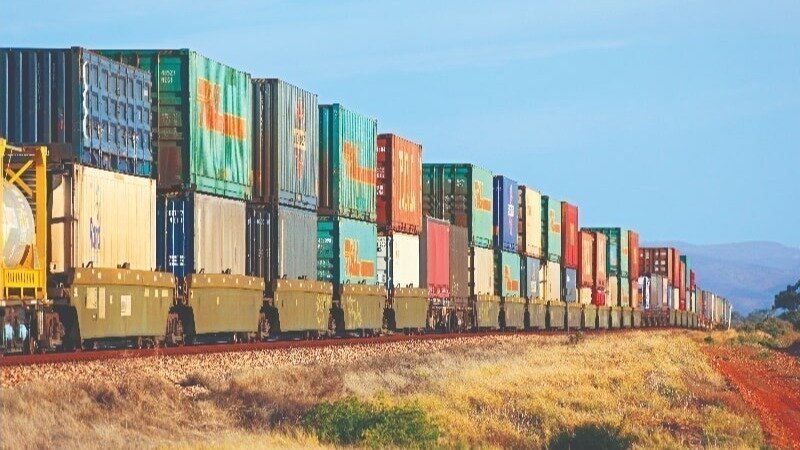
We are reaching out to provide you with an urgent update on the state of rail freight in Australia. Recent research conducted by the Australasian Railway Association (ARA) and the Freight on Rail Group has revealed alarming trends in the transportation of non-bulk freight.
Key Findings:
-
Rail's Share: Rail's share of non-bulk freight has plummeted to just 17% across Australia and a mere 11% along the eastern seaboard.
-
Melbourne-Sydney Corridor: Shockingly, only 2% of freight is transported by rail along the vital Melbourne-Sydney route, down from approximately 40% in the 1970s.
-
Shift to Trucks: A surge in reliance on heavy trucks is evident, partly due to underinvestment in rail tracks and significant spending on roads, enabling trucks to complete key trips faster.
Call to Action:
The industry, along with major rail freight operators, is urgently calling for a series of measures to address this concerning trend:
-
Investment in Infrastructure: Prioritize investments in rail infrastructure, including tracks, intermodal terminals, and digital train controls.
-
Regulatory Streamlining: Ease complex regulations hindering rail's competitiveness with road transport.
-
Road Charges: Increase heavy vehicle road charges to cover the damage caused by trucks.
-
Cost Competitiveness: Door-to-door prices for rail transport need to be 20%-40% lower to remain competitive with trucks.
Environmental Impact:
For every 1% of freight shifted from trucks to rail, an estimated $71.9 million can be saved annually in terms of environmental damage, road conditions, and pollution-related health outcomes. This shift would also reduce CO2 emissions by an average of 330,000 tonnes.
We implore you to stay engaged with this critical issue. Your support and advocacy are crucial in driving the changes needed to ensure a sustainable and efficient freight network for Australia's future.
New research suggests rail freight underutilised - Infrastructure Magazine