End Violence Against Indigenous Women and Girls in Canada!
End Violence Against Indigenous Women and Girls in Canada!
The Issue
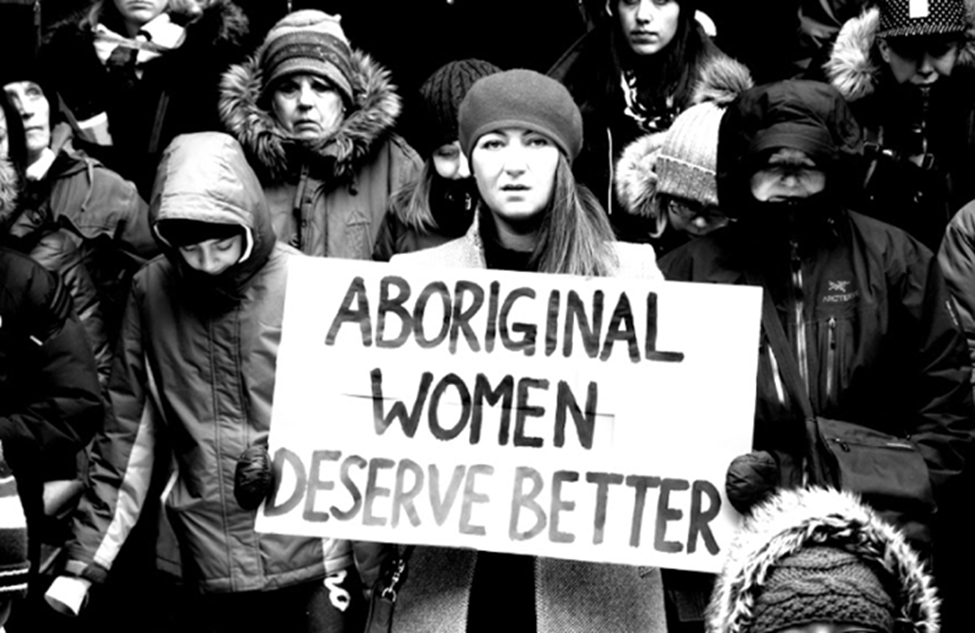
Executive Summary
This online petition advocates for the immediate action to end violence against Indigenous women and girls in Canada. It is no secret that Indigenous women are more likely to experience physical and sexual violence than non-Indigenous women. Since my relocation to Northern Ontario, I’ve seen firsthand the negative impact of this injustice on victims, their families and communities. We all deserve to exist in a society where we can feel safe and protected, regardless of our age, gender, race or ethnicity. This petition aims to bring forth positive change in protecting the human rights of Indigenous women and girls in Canada.
Introduction
Indigenous women face significant challenges to the full enjoyment of their human rights. Indigenous women and girls are not only more likely to be a victim or survivor of crime compared to non-Indigenous women and girls, they are also at much higher risk of experiencing specific acts of violence. These include physical assault, sexual assault, and spousal violence (Department of Justice, 2023). Statistics showed that “56% of Indigenous women have suffered physical assault, and 46% have experienced sexual assault. By comparison, about one-third of non-Indigenous women have suffered these assaults in their lifetimes” (Assembly of First Nations, 2022).
Aboriginal women face gender-based violence because of systemic issues of racism and discrimination. “Indigenous women often experience multiple forms of discrimination, often lack access to education, health care and ancestral lands, they face disproportionately high rates of poverty and are subjected to violence, such as domestic violence and sexual abuse, including in the contexts of trafficking and armed conflict” (United Nations, 2010). Until 1834, settlers bought and sold Indigenous people as slaves because Indigenous women were seen as ‘unhuman,’ sexual violence against them became normal and was never punished. This colonial hierarchy persists today and influences how Canada’s governments and systems operate, including laws, policies and practices. The petition aims to raise awareness and call for policy changes in the protection of Indigenous women and girls and seek the support of the general public, policymakers, government officials, and Indigenous communities .
Approach
Colonization and Desired Centered Frameworks:
Violence against Indigenous women and girls are rooted in the ongoing impacts of colonization. Colonialism caused a great deal of damage to the spirits of Indigenous peoples. It is necessary to declare that the root of injury has been caused by colonial violence, which was significantly enforced by governments through legislation and institutions (Linklater, 2014, p.14). As a direct result of colonization, the vast majority of Indigenous people have lived and are living in trauma; in most cases, this trauma is multigenerational and is relentlessly being reproduced and reinvented in various forms of oppression (Linklater, 2014, p.14). One of those forms of oppression is the increased rate of crime and violence against Indigenous women and girls as a result of trauma. Indigenous Trauma Theories are rooted in Indigenous experience and worldviews. There is no denying the fact that Indigenous women face an increased risk of all forms of violence including sexual violence and human trafficking. Exposure to childhood traumas and other forms of violence increase the vulnerability of Indigenous women to exploitation and victimization. As a result of this, many researchers framed Indigenous communities as damaged and depleted. Tuck (2009) argues against Damaged Centered research -“research that intends to document people’s pain and brokenness” (p.409). This kind of research creates a climate of systematic racism and discrimination, gender based violence and abuse. There needs to be a more positive approach to care and healing. This positive approach would focus more on Desired Centered frameworks. According to Tuck (2009) “desire-based framework is an antidote to damage-centered research” (p.416). Tuck argues that “desire based frameworks defy the lure to serve as “advertisements for power” by documenting not only the painful elements of social realities but also the wisdom and hope” (2009, p. 416). In support, Marsh et al. (2018) stated “restoring traditional healing practices and knowledge is a pathway to both empowerment and health for Indigenous peoples and communities” (p.2).
Implications and Recommendations
By supporting this petition, we can help create a platform for positive change that will impact Indigenous communities and bring about social justice. Some implementation and recommendations include:
●The development of safer spaces for Indigenous women and girls within their communities. These spaces can help to decrease the growing amount of violence against Indigenous women and girls.
●A shift to desire- centered narratives that focus on Indigenous women as agents of change rather than victims. This shift can help to enhance the image of indigenous women and girls.
●Greater support for community-led initiatives that focus on healing and empowerment i.e. ceremonies, rituals, herbal medicines, wisdom of Elders and land based knowledge.
●Policy changes that address the unique needs of Indigenous women, including access to healthcare, housing, and legal protection. It is vital for Indigenous women to participate in this policy reform.
●Increased funding for Indigenous-led organizations that provide culturally relevant support and advocacy.
●Education and awareness programs that challenge discrimination and stereotypes about Indigenous cultures and history. This initiative can improve allyship amongst Indigenous communities.
●Stricter laws and harsher punishments that hold offenders accountable and ensure that justice is served. This approach could serve as a preventative measure, where perpetrators may refrain from committing these acts of violence.
Conclusion
This petition is a call to action to end violence against Indigenous women and girls in Canada. By amplifying Indigenous voices and applying theoretical frameworks such as “colonization” and “desire-centered research”, we can create a foundation for social change. Our advocacy efforts focus on healing and empowerment. This will not only improve the lives of Indigenous women and girls but also aids in efforts of decolonization, reconciliation, and social justice in Canada. Aboriginal women are strong and beautiful. They are our mothers, our daughters, our sisters, our aunties and our grandmothers. They deserve to be treated with respect and they deserve to live in a society where they feel safe and heard. There is no greater time than now, so let’s join together in creating a more just society for everyone.
References
Assembly of First Nations. (2022, August 24). Murdered & Missing Indigenous Women & Girls.
Assembly of First Nations; Assembly of First Nations. https://afn.ca/rights-justice/murdered-missing-indigenous-women-girls/
Department of Justice. (2023, April 13). Understanding Indigenous Women and Girls’
Experiences with Victimization and Violence. Www.justice.gc.ca https://www.justice.gc.ca/socjs-esjp/en/women-femmes/wgv-ffv
Linklater, R. (2014). Decolonizing trauma work: Indigenous stories and strategies. Fernwood
Publishing.
Tuck, E. (2009). Suspending Damage: A Letter to Communities. Harvard Educational
Review, 79(3), 409–428.
United Nations. (2010). United Nations Office of the Special Adviser on Gender Issues and
Advancement of Women and the Secretariat of the United Nations Permanent Forum on Indigenous Issues Gender and Indigenous Peoples: Overview Briefing Note no. 1. https://www.un.org/esa/socdev/unpfii/documents/BriefingNote1_GREY.pdf
37
The Issue
Executive Summary
This online petition advocates for the immediate action to end violence against Indigenous women and girls in Canada. It is no secret that Indigenous women are more likely to experience physical and sexual violence than non-Indigenous women. Since my relocation to Northern Ontario, I’ve seen firsthand the negative impact of this injustice on victims, their families and communities. We all deserve to exist in a society where we can feel safe and protected, regardless of our age, gender, race or ethnicity. This petition aims to bring forth positive change in protecting the human rights of Indigenous women and girls in Canada.
Introduction
Indigenous women face significant challenges to the full enjoyment of their human rights. Indigenous women and girls are not only more likely to be a victim or survivor of crime compared to non-Indigenous women and girls, they are also at much higher risk of experiencing specific acts of violence. These include physical assault, sexual assault, and spousal violence (Department of Justice, 2023). Statistics showed that “56% of Indigenous women have suffered physical assault, and 46% have experienced sexual assault. By comparison, about one-third of non-Indigenous women have suffered these assaults in their lifetimes” (Assembly of First Nations, 2022).
Aboriginal women face gender-based violence because of systemic issues of racism and discrimination. “Indigenous women often experience multiple forms of discrimination, often lack access to education, health care and ancestral lands, they face disproportionately high rates of poverty and are subjected to violence, such as domestic violence and sexual abuse, including in the contexts of trafficking and armed conflict” (United Nations, 2010). Until 1834, settlers bought and sold Indigenous people as slaves because Indigenous women were seen as ‘unhuman,’ sexual violence against them became normal and was never punished. This colonial hierarchy persists today and influences how Canada’s governments and systems operate, including laws, policies and practices. The petition aims to raise awareness and call for policy changes in the protection of Indigenous women and girls and seek the support of the general public, policymakers, government officials, and Indigenous communities .
Approach
Colonization and Desired Centered Frameworks:
Violence against Indigenous women and girls are rooted in the ongoing impacts of colonization. Colonialism caused a great deal of damage to the spirits of Indigenous peoples. It is necessary to declare that the root of injury has been caused by colonial violence, which was significantly enforced by governments through legislation and institutions (Linklater, 2014, p.14). As a direct result of colonization, the vast majority of Indigenous people have lived and are living in trauma; in most cases, this trauma is multigenerational and is relentlessly being reproduced and reinvented in various forms of oppression (Linklater, 2014, p.14). One of those forms of oppression is the increased rate of crime and violence against Indigenous women and girls as a result of trauma. Indigenous Trauma Theories are rooted in Indigenous experience and worldviews. There is no denying the fact that Indigenous women face an increased risk of all forms of violence including sexual violence and human trafficking. Exposure to childhood traumas and other forms of violence increase the vulnerability of Indigenous women to exploitation and victimization. As a result of this, many researchers framed Indigenous communities as damaged and depleted. Tuck (2009) argues against Damaged Centered research -“research that intends to document people’s pain and brokenness” (p.409). This kind of research creates a climate of systematic racism and discrimination, gender based violence and abuse. There needs to be a more positive approach to care and healing. This positive approach would focus more on Desired Centered frameworks. According to Tuck (2009) “desire-based framework is an antidote to damage-centered research” (p.416). Tuck argues that “desire based frameworks defy the lure to serve as “advertisements for power” by documenting not only the painful elements of social realities but also the wisdom and hope” (2009, p. 416). In support, Marsh et al. (2018) stated “restoring traditional healing practices and knowledge is a pathway to both empowerment and health for Indigenous peoples and communities” (p.2).
Implications and Recommendations
By supporting this petition, we can help create a platform for positive change that will impact Indigenous communities and bring about social justice. Some implementation and recommendations include:
●The development of safer spaces for Indigenous women and girls within their communities. These spaces can help to decrease the growing amount of violence against Indigenous women and girls.
●A shift to desire- centered narratives that focus on Indigenous women as agents of change rather than victims. This shift can help to enhance the image of indigenous women and girls.
●Greater support for community-led initiatives that focus on healing and empowerment i.e. ceremonies, rituals, herbal medicines, wisdom of Elders and land based knowledge.
●Policy changes that address the unique needs of Indigenous women, including access to healthcare, housing, and legal protection. It is vital for Indigenous women to participate in this policy reform.
●Increased funding for Indigenous-led organizations that provide culturally relevant support and advocacy.
●Education and awareness programs that challenge discrimination and stereotypes about Indigenous cultures and history. This initiative can improve allyship amongst Indigenous communities.
●Stricter laws and harsher punishments that hold offenders accountable and ensure that justice is served. This approach could serve as a preventative measure, where perpetrators may refrain from committing these acts of violence.
Conclusion
This petition is a call to action to end violence against Indigenous women and girls in Canada. By amplifying Indigenous voices and applying theoretical frameworks such as “colonization” and “desire-centered research”, we can create a foundation for social change. Our advocacy efforts focus on healing and empowerment. This will not only improve the lives of Indigenous women and girls but also aids in efforts of decolonization, reconciliation, and social justice in Canada. Aboriginal women are strong and beautiful. They are our mothers, our daughters, our sisters, our aunties and our grandmothers. They deserve to be treated with respect and they deserve to live in a society where they feel safe and heard. There is no greater time than now, so let’s join together in creating a more just society for everyone.
References
Assembly of First Nations. (2022, August 24). Murdered & Missing Indigenous Women & Girls.
Assembly of First Nations; Assembly of First Nations. https://afn.ca/rights-justice/murdered-missing-indigenous-women-girls/
Department of Justice. (2023, April 13). Understanding Indigenous Women and Girls’
Experiences with Victimization and Violence. Www.justice.gc.ca https://www.justice.gc.ca/socjs-esjp/en/women-femmes/wgv-ffv
Linklater, R. (2014). Decolonizing trauma work: Indigenous stories and strategies. Fernwood
Publishing.
Tuck, E. (2009). Suspending Damage: A Letter to Communities. Harvard Educational
Review, 79(3), 409–428.
United Nations. (2010). United Nations Office of the Special Adviser on Gender Issues and
Advancement of Women and the Secretariat of the United Nations Permanent Forum on Indigenous Issues Gender and Indigenous Peoples: Overview Briefing Note no. 1. https://www.un.org/esa/socdev/unpfii/documents/BriefingNote1_GREY.pdf
Petition Updates
Share this petition
Petition created on March 14, 2025