End Prescription Drug Commercials in the USA and New Zealand
The Issue
Four years ago, I experienced a near-death head injury that significantly changed my life. The journey through the healthcare system that followed was overwhelming and utterly eye-opening—revealing an industry heavily skewed towards profit rather than patient care. This pervasive commercial influence became even more apparent when I was bombarded with drug commercials that prioritized profit over holistic healing.
Shockingly, the USA and New Zealand are the only two countries that allow direct-to-consumer advertising of prescription drugs. According to the World Health Organization, these advertisements contribute to the over-medication of society by promoting an image that there's a pill for every ill, fostering dependency and unnecessary consumption of pharmaceuticals. Rather than encouraging informed conversations between doctors and patients, they often mislead with exaggerated claims and downplayed side effects.
Research shows that drug advertising increases medication costs. A study by the American Medical Association highlights how these commercials drive up demand for costly branded medications over more affordable, efficacious generic options. This practice is not only a strain on individual finances but also burdens the healthcare system at large.
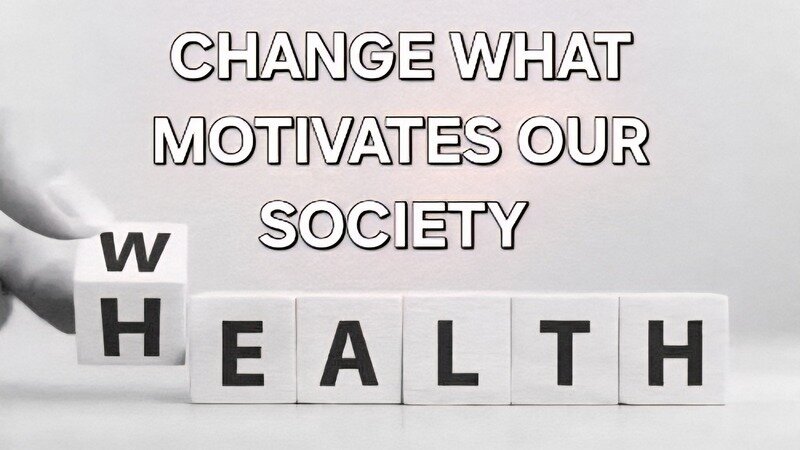
The time has come to prioritize health over profit. By banning drug commercials, we can take a vital step towards healing our healthcare system. This ban will empower patients to make decisions based on medical expertise, not marketing agendas. Furthermore, it will encourage transparent communication between patients and healthcare providers, free from commercial pressures.
Let's unite to end pharmaceutical advertisements in the USA and New Zealand. By supporting this cause, we're advocating for a future where pharmaceutical care is driven by health outcomes rather than profit margins. Sign this petition today and be part of making the medical industry truly about care and healing.

35
The Issue
Four years ago, I experienced a near-death head injury that significantly changed my life. The journey through the healthcare system that followed was overwhelming and utterly eye-opening—revealing an industry heavily skewed towards profit rather than patient care. This pervasive commercial influence became even more apparent when I was bombarded with drug commercials that prioritized profit over holistic healing.
Shockingly, the USA and New Zealand are the only two countries that allow direct-to-consumer advertising of prescription drugs. According to the World Health Organization, these advertisements contribute to the over-medication of society by promoting an image that there's a pill for every ill, fostering dependency and unnecessary consumption of pharmaceuticals. Rather than encouraging informed conversations between doctors and patients, they often mislead with exaggerated claims and downplayed side effects.
Research shows that drug advertising increases medication costs. A study by the American Medical Association highlights how these commercials drive up demand for costly branded medications over more affordable, efficacious generic options. This practice is not only a strain on individual finances but also burdens the healthcare system at large.
The time has come to prioritize health over profit. By banning drug commercials, we can take a vital step towards healing our healthcare system. This ban will empower patients to make decisions based on medical expertise, not marketing agendas. Furthermore, it will encourage transparent communication between patients and healthcare providers, free from commercial pressures.
Let's unite to end pharmaceutical advertisements in the USA and New Zealand. By supporting this cause, we're advocating for a future where pharmaceutical care is driven by health outcomes rather than profit margins. Sign this petition today and be part of making the medical industry truly about care and healing.
The Decision Makers


Petition Updates
Share this petition
Petition created on September 17, 2025