
End Isolation Rooms in Cheney Schools
The Issue
To the Cheney School District Board of Directors:
We, the undersigned, call on Cheney School District to end the use of isolation rooms and involuntary seclusion in all district schools and replace these practices with safe, compassionate, individualized alternatives that protect students’ dignity and well-being.
Why I’m Fighting for This Change
I’m a mother advocating for this change because I experienced firsthand how frightening and distressing isolation can be for a child.
I received two calls from my daughter’s school asking me to come get her, but I wasn’t told what was happening or why. When I arrived, staff brought me to my then-six-year-old daughter. She was in what appeared to be a padded closet or isolation room, screaming, hurting herself, and saying things like she hated me.
I had never known that room existed. I wasn’t told what had led to her being placed there, and at the time, I didn’t know I could ask questions or that I had a say in what was happening to my child.
The following school year, I began asking questions. During my daughter’s IEP meeting, I requested documentation from the previous year about her placement in those rooms. I am still seeking those records.
What I witnessed was deeply distressing. I do not want my daughter placed in that situation again, and I don’t want other families to experience the same fear, confusion, or lack of information.
This is not about blaming individual teachers or school staff. Educators need the training, resources, and support to help students through difficult moments. It is about building a system that prioritizes children’s safety and emotional well-being.
What Washington Law Says
Washington State law, RCW 28A.600.485, places limits on restraint and isolation in public schools.
Subsection (3)(b) permits restraint or isolation only when reasonably necessary to control spontaneous behavior posing an imminent likelihood of serious harm. It must stop once that likelihood has passed.
Subsections (4) and (6) establish follow-up procedures and parent notification requirements after incidents.
Subsection (7) requires school districts to report restraint and isolation data to the state.
Subsection (8)(a) prohibits establishing new rooms or enclosed areas primarily for student isolation.
These requirements are important, but I believe we should do more to protect students. A district-wide policy can set a stronger standard by ending the use of isolation rooms and prioritizing prevention, de-escalation, and individualized support.
A voluntary calming space is not the same as confinement. Children should have access to supportive spaces where they can regulate their emotions without being trapped or prevented from leaving.
What We Are Asking Cheney School District to Do
We call on the Cheney School District Board of Directors to:
1. End the use of isolation rooms and involuntary seclusion in all district schools through a clear, district-wide policy.
2. Replace these practices with proactive de-escalation, individualized behavioral interventions, sensory supports, and appropriately trained staff.
3. Ensure that students experiencing distress receive support that addresses the cause of their behavior rather than relying on confinement.
4. Follow all applicable parent notification, documentation, and post-incident review requirements, and provide families with timely access to records as permitted by law.
5. Establish transparent reporting and accountability so families and the community can understand how the district is protecting students.
6. Involve parents, students with disabilities, educators, and relevant specialists in developing safer alternatives.
Why Your Signature Matters
Every child deserves dignity, safety, and appropriate support at school, including children who experience sensory overload, emotional distress, communication difficulties, or behavioral crises.
Parents deserve to know what happens to their children. Educators deserve the resources and training to respond safely. And children deserve to be treated as human beings who need help—not as problems to be shut away.
This petition is not about attacking schools. It is about asking our district to do better and choosing a safer, more compassionate approach for every student.
U.S. Department of Justice launched a civil rights investigation into the Spokane Public Schools (District 81) finding that the district improperly secluded and restrained hundreds of special-purpose and disabled students, leading to a federal settlement agreement that BANNED isolation rooms.
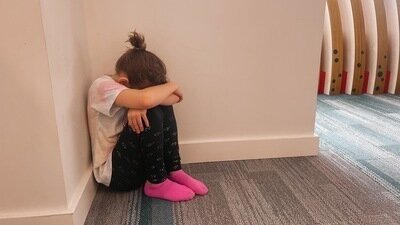
For a child who is already overwhelmed, being separated from familiar adults, removed from their classroom, or prevented from leaving can potentially intensify their distress rather than resolve it.
Possible consequences include:
Increased panic and distress. A child may feel trapped, frightened, abandoned, or unable to understand what is happening.
Escalation of behavior. A child who is already dysregulated may scream, kick, hit, or struggle more intensely when confined.
Self-injurious behavior. Some children may hit themselves, bang their heads, or otherwise hurt themselves when severely distressed.
Loss of trust. A child may become fearful of school staff, school buildings, or adults who are supposed to help them.
Shame and confusion. Children may believe they are bad, dangerous, or being punished for emotions or disability-related behaviors they cannot yet manage independently.
Avoidance of school. A frightening experience at school may contribute to anxiety about returning, separation difficulties, or school refusal.
These are potential harms, not outcomes that occur for every child. The concern is that a practice intended to manage behavior can create additional distress, particularly when the child does not receive appropriate support before, during, and after the incident.
Please sign and share this petition to support an end to isolation rooms in Cheney schools.
Our children deserve support, not isolation. It is time for change.

150
The Issue
To the Cheney School District Board of Directors:
We, the undersigned, call on Cheney School District to end the use of isolation rooms and involuntary seclusion in all district schools and replace these practices with safe, compassionate, individualized alternatives that protect students’ dignity and well-being.
Why I’m Fighting for This Change
I’m a mother advocating for this change because I experienced firsthand how frightening and distressing isolation can be for a child.
I received two calls from my daughter’s school asking me to come get her, but I wasn’t told what was happening or why. When I arrived, staff brought me to my then-six-year-old daughter. She was in what appeared to be a padded closet or isolation room, screaming, hurting herself, and saying things like she hated me.
I had never known that room existed. I wasn’t told what had led to her being placed there, and at the time, I didn’t know I could ask questions or that I had a say in what was happening to my child.
The following school year, I began asking questions. During my daughter’s IEP meeting, I requested documentation from the previous year about her placement in those rooms. I am still seeking those records.
What I witnessed was deeply distressing. I do not want my daughter placed in that situation again, and I don’t want other families to experience the same fear, confusion, or lack of information.
This is not about blaming individual teachers or school staff. Educators need the training, resources, and support to help students through difficult moments. It is about building a system that prioritizes children’s safety and emotional well-being.
What Washington Law Says
Washington State law, RCW 28A.600.485, places limits on restraint and isolation in public schools.
Subsection (3)(b) permits restraint or isolation only when reasonably necessary to control spontaneous behavior posing an imminent likelihood of serious harm. It must stop once that likelihood has passed.
Subsections (4) and (6) establish follow-up procedures and parent notification requirements after incidents.
Subsection (7) requires school districts to report restraint and isolation data to the state.
Subsection (8)(a) prohibits establishing new rooms or enclosed areas primarily for student isolation.
These requirements are important, but I believe we should do more to protect students. A district-wide policy can set a stronger standard by ending the use of isolation rooms and prioritizing prevention, de-escalation, and individualized support.
A voluntary calming space is not the same as confinement. Children should have access to supportive spaces where they can regulate their emotions without being trapped or prevented from leaving.
What We Are Asking Cheney School District to Do
We call on the Cheney School District Board of Directors to:
1. End the use of isolation rooms and involuntary seclusion in all district schools through a clear, district-wide policy.
2. Replace these practices with proactive de-escalation, individualized behavioral interventions, sensory supports, and appropriately trained staff.
3. Ensure that students experiencing distress receive support that addresses the cause of their behavior rather than relying on confinement.
4. Follow all applicable parent notification, documentation, and post-incident review requirements, and provide families with timely access to records as permitted by law.
5. Establish transparent reporting and accountability so families and the community can understand how the district is protecting students.
6. Involve parents, students with disabilities, educators, and relevant specialists in developing safer alternatives.
Why Your Signature Matters
Every child deserves dignity, safety, and appropriate support at school, including children who experience sensory overload, emotional distress, communication difficulties, or behavioral crises.
Parents deserve to know what happens to their children. Educators deserve the resources and training to respond safely. And children deserve to be treated as human beings who need help—not as problems to be shut away.
This petition is not about attacking schools. It is about asking our district to do better and choosing a safer, more compassionate approach for every student.
U.S. Department of Justice launched a civil rights investigation into the Spokane Public Schools (District 81) finding that the district improperly secluded and restrained hundreds of special-purpose and disabled students, leading to a federal settlement agreement that BANNED isolation rooms.
For a child who is already overwhelmed, being separated from familiar adults, removed from their classroom, or prevented from leaving can potentially intensify their distress rather than resolve it.
Possible consequences include:
Increased panic and distress. A child may feel trapped, frightened, abandoned, or unable to understand what is happening.
Escalation of behavior. A child who is already dysregulated may scream, kick, hit, or struggle more intensely when confined.
Self-injurious behavior. Some children may hit themselves, bang their heads, or otherwise hurt themselves when severely distressed.
Loss of trust. A child may become fearful of school staff, school buildings, or adults who are supposed to help them.
Shame and confusion. Children may believe they are bad, dangerous, or being punished for emotions or disability-related behaviors they cannot yet manage independently.
Avoidance of school. A frightening experience at school may contribute to anxiety about returning, separation difficulties, or school refusal.
These are potential harms, not outcomes that occur for every child. The concern is that a practice intended to manage behavior can create additional distress, particularly when the child does not receive appropriate support before, during, and after the incident.
Please sign and share this petition to support an end to isolation rooms in Cheney schools.
Our children deserve support, not isolation. It is time for change.
The Decision Makers
Petition Updates
Share this petition
Petition created on October 22, 2026