
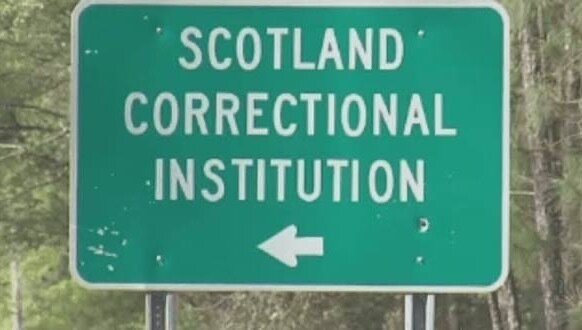
Do you have a loved one in a North Carolina prison?
The Issue
We, the undersigned citizens, families, advocates, and community members, call upon North Carolina state officials, federal leadership, and correctional authorities to take immediate and meaningful action to address the dangerous and inhumane conditions reported throughout North Carolina prisons.
Across the state, incarcerated individuals continue to report severe and ongoing violations of basic human dignity and safety. These conditions not only endanger the lives of inmates and correctional staff, but also undermine any meaningful effort toward rehabilitation, accountability, and public safety.
We are deeply concerned about the following issues:
1. Unsafe and Unsanitary Living Conditions
Reports from multiple facilities describe overcrowded housing units, broken plumbing, poor ventilation, extreme temperatures, non-working toilets, and raw sewage flooding living and kitchen areas. No human being should be forced to live in conditions that threaten their health and survival.
2. Inadequate Medical and Mental Health Care
Incarcerated individuals frequently report delayed, denied, or insufficient medical treatment, including during emergencies and life-threatening situations. Mental health services remain critically inadequate, and vulnerable individuals are too often placed in isolation instead of receiving proper care and treatment.
3. Excessive Use of Solitary Confinement
Restrictive housing and solitary confinement continue to be used excessively, sometimes for minor rule violations. Extended isolation has been widely documented to cause severe psychological harm, emotional trauma, and long-term mental health damage.
4. Chronic Staffing Shortages
North Carolina prisons are experiencing severe staffing shortages that have drastically reduced educational opportunities, rehabilitation programming, visitation access, and out-of-cell time. This environment creates unsafe conditions for both incarcerated individuals and correctional officers while increasing tension and violence within facilities.
5. Failure of the Grievance Process
Thousands of grievances are reportedly filed each year regarding serious health, safety, and human rights concerns. Many incarcerated individuals and advocacy groups report that grievances are ignored, dismissed on technicalities, or handled without transparency or accountability.
6. Violence, Safety Concerns, and Extended Confinement
Many incarcerated individuals report living in constant fear of violence due to chronic understaffing and inadequate supervision within correctional facilities. Reports indicate that assaults between inmates, gang-related violence, and threats to personal safety often go unaddressed or receive delayed responses because there are not enough trained officers available to maintain safe living environments. In addition, prisoners in some facilities report spending excessive amounts of time confined to their cells due to staffing shortages and operational restrictions. Extended lockdowns can result in individuals being denied meaningful access to recreation, educational programming, religious services, family visitation, and other activities essential to rehabilitation and mental well-being.
While correctional institutions have a responsibility to maintain security, they also have a duty to provide reasonable protection from violence and to ensure that incarcerated individuals are not subjected to prolonged confinement conditions that jeopardize their physical and psychological health.
We Demand the Following Actions:
- Independent investigations into conditions across all North Carolina correctional facilities.
- Immediate repairs to unsafe and unsanitary prison infrastructure.
Increased funding and staffing for qualified medical and mental health professionals. - Strict limitations and oversight regarding the use of solitary confinement.
- Restoration and expansion of rehabilitation, education, and family visitation programs.
- Creation of an independent and transparent grievance oversight system.
- Public reporting requirements regarding prison conditions, deaths in custody, staffing levels, and medical response times.
- Humane treatment and constitutional protections for all incarcerated individuals.
- Implement stronger safety measures to protect incarcerated individuals from violence, including adequate staffing levels, timely intervention in dangerous situations, transparent reporting of assaults, and regular independent reviews of facility safety conditions.
- Establish minimum standards for out-of-cell time, recreation, visitation access, and rehabilitative programming, ensuring that staffing shortages do not result in prolonged and harmful confinement.
We urge state and federal leaders to take immediate action before further harm, suffering, and preventable deaths occur within North Carolina prisons. The measure of a society is reflected in how it treats its most vulnerable populations. Regardless of a person's incarceration status, every human being deserves safety, dignity, adequate healthcare, and humane living conditions.

53
The Issue
We, the undersigned citizens, families, advocates, and community members, call upon North Carolina state officials, federal leadership, and correctional authorities to take immediate and meaningful action to address the dangerous and inhumane conditions reported throughout North Carolina prisons.
Across the state, incarcerated individuals continue to report severe and ongoing violations of basic human dignity and safety. These conditions not only endanger the lives of inmates and correctional staff, but also undermine any meaningful effort toward rehabilitation, accountability, and public safety.
We are deeply concerned about the following issues:
1. Unsafe and Unsanitary Living Conditions
Reports from multiple facilities describe overcrowded housing units, broken plumbing, poor ventilation, extreme temperatures, non-working toilets, and raw sewage flooding living and kitchen areas. No human being should be forced to live in conditions that threaten their health and survival.
2. Inadequate Medical and Mental Health Care
Incarcerated individuals frequently report delayed, denied, or insufficient medical treatment, including during emergencies and life-threatening situations. Mental health services remain critically inadequate, and vulnerable individuals are too often placed in isolation instead of receiving proper care and treatment.
3. Excessive Use of Solitary Confinement
Restrictive housing and solitary confinement continue to be used excessively, sometimes for minor rule violations. Extended isolation has been widely documented to cause severe psychological harm, emotional trauma, and long-term mental health damage.
4. Chronic Staffing Shortages
North Carolina prisons are experiencing severe staffing shortages that have drastically reduced educational opportunities, rehabilitation programming, visitation access, and out-of-cell time. This environment creates unsafe conditions for both incarcerated individuals and correctional officers while increasing tension and violence within facilities.
5. Failure of the Grievance Process
Thousands of grievances are reportedly filed each year regarding serious health, safety, and human rights concerns. Many incarcerated individuals and advocacy groups report that grievances are ignored, dismissed on technicalities, or handled without transparency or accountability.
6. Violence, Safety Concerns, and Extended Confinement
Many incarcerated individuals report living in constant fear of violence due to chronic understaffing and inadequate supervision within correctional facilities. Reports indicate that assaults between inmates, gang-related violence, and threats to personal safety often go unaddressed or receive delayed responses because there are not enough trained officers available to maintain safe living environments. In addition, prisoners in some facilities report spending excessive amounts of time confined to their cells due to staffing shortages and operational restrictions. Extended lockdowns can result in individuals being denied meaningful access to recreation, educational programming, religious services, family visitation, and other activities essential to rehabilitation and mental well-being.
While correctional institutions have a responsibility to maintain security, they also have a duty to provide reasonable protection from violence and to ensure that incarcerated individuals are not subjected to prolonged confinement conditions that jeopardize their physical and psychological health.
We Demand the Following Actions:
- Independent investigations into conditions across all North Carolina correctional facilities.
- Immediate repairs to unsafe and unsanitary prison infrastructure.
Increased funding and staffing for qualified medical and mental health professionals. - Strict limitations and oversight regarding the use of solitary confinement.
- Restoration and expansion of rehabilitation, education, and family visitation programs.
- Creation of an independent and transparent grievance oversight system.
- Public reporting requirements regarding prison conditions, deaths in custody, staffing levels, and medical response times.
- Humane treatment and constitutional protections for all incarcerated individuals.
- Implement stronger safety measures to protect incarcerated individuals from violence, including adequate staffing levels, timely intervention in dangerous situations, transparent reporting of assaults, and regular independent reviews of facility safety conditions.
- Establish minimum standards for out-of-cell time, recreation, visitation access, and rehabilitative programming, ensuring that staffing shortages do not result in prolonged and harmful confinement.
We urge state and federal leaders to take immediate action before further harm, suffering, and preventable deaths occur within North Carolina prisons. The measure of a society is reflected in how it treats its most vulnerable populations. Regardless of a person's incarceration status, every human being deserves safety, dignity, adequate healthcare, and humane living conditions.
The Decision Makers


Petition Updates
Share this petition
Petition created on May 29, 2026