DeFlock Auburn, CA!
The Issue
Stop Automated License Plate Surveillance in Auburn, CA
Petition to: Auburn City Council, Auburn Police Department, and the City of Auburn, CA
What we have discovered about Auburn ALPR systems, so far
Nothing to Hide? A Fact-Based Guide to Flock Cameras and the Price of Being Watched
Stay updated and informed: follow @DeFlock_AuburnCA
The Ask:
We call on the City of Auburn to reject the installation and use of automated license plate reader (ALPR) camera networks (including systems from Flock Safety and similar vendors) within city limits, and to require full public disclosure, an independent privacy audit, and community approval before any such system is deployed or renewed.
Why This Matters:
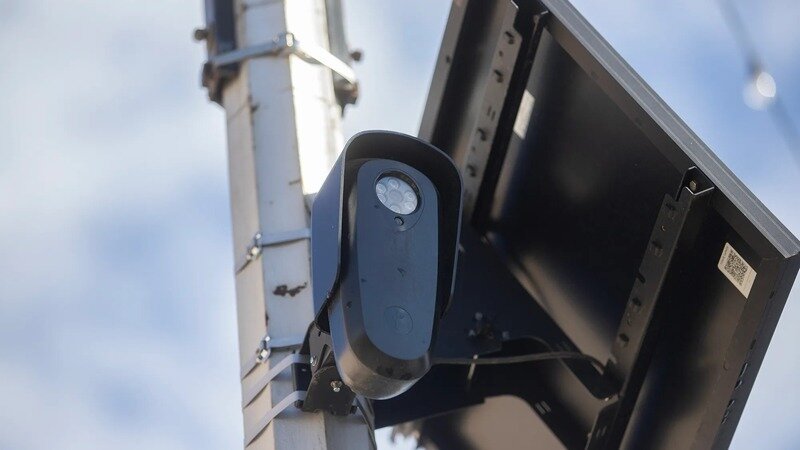
Auburn is quietly becoming part of a growing network of automated license plate readers that photograph every car that passes, log the time, date, and GPS location, and store that data, often for years, often shared across hundreds of other agencies nationwide. This isn't a single camera watching a single intersection. It's a dragnet that builds a permanent, searchable record of where every driver in this town goes, when, and how often.
And it doesn't stop at license plates. These systems are marketed as "plate readers," but the cameras capture far more than plates, vehicle make, model, and color, distinguishing features like bumper stickers and dents, and in many deployments, the people themselves: faces, clothing, even tattoos. Some systems log pets and other animals in frame. This is full-scene surveillance sold under a narrower name.
These systems are also not exclusively for vehicle traffic. These cameras are increasingly deployed at the entrances to parks, greenways, and other recreation areas... places residents go to walk, bike, and let their kids play, not places anyone expects to be logged into a searchable database. Some systems go further still, capturing the Wi-Fi and Bluetooth signals of nearby devices, meaning your phone, smartwatch, or car's own wireless systems can be fingerprinted and tracked even when your plate isn't the target.
This should worry parents most of all. Many Auburn families already go out of their way to protect their kids' privacy, keeping photos off social media, being careful about tagging locations, teaching kids not to share where they'll be and when. That instinct is exactly right, and these cameras undercut it entirely. A camera at the park entrance doesn't ask a parent's permission before logging their child's face, their car, and the time they showed up to the same playground every Tuesday after school. A camera near a school zone or youth sports field builds the same kind of pattern, who picks up which kid, when, how often, that families spend real effort trying not to put online. The privacy protections parents choose for their kids shouldn't be quietly overridden by a government camera they never agreed to.
All of this happens with essentially no federal oversight. There is no comprehensive federal law governing how this data is collected, how long it's kept, who it's shared with, or what happens when it's misused. Regulation, where it exists at all, is left to a patchwork of local policies that vary from one department to the next... and Auburn currently has none of its own.
That absence of oversight isn't just an abstract risk. Departments across the country have documented cases of officers and contractors misusing ALPR access to track exes, family members, and other private individuals with no criminal justification whatsoever, turning a "public safety" tool into a ready-made stalking instrument. A database built to find stolen cars is, structurally, just as good at helping an abuser find someone who's hiding from them.
We aren't being asked whether we want this. It's being installed quietly, funded through budget lines most residents never see, and justified after the fact.
"If You Have Nothing to Hide, You Have Nothing to Fear" Doesn't Hold Up
This is the line used to wave away every objection, and it collapses the moment you look at it closely.
Privacy isn't about hiding wrongdoing, it's about controlling who has access to your life. You draw curtains, use passwords, and don't post your daily schedule online, not because you're guilty of anything, but because constant exposure is its own harm. ALPR networks strip that control away entirely, and they do it automatically, at scale, without your consent and without your knowledge.
Mass surveillance isn't targeted, everyone is logged, whether or not you're a suspect. Traditional policing requires suspicion before someone is watched. ALPR flips that: it records every driver first and asks questions later. You don't need to be doing anything wrong to be swept into the database, you just need to drive through Auburn.
"Nothing to hide" assumes the system is perfect, and it isn't. Plate-reader misreads have led to cars being pulled over, and in some cases residents held at gunpoint, over data errors that had nothing to do with them. A camera doesn't know context. It flags a plate; officers respond to a flag, not a fact.
Data collected for one reason gets used for others. Departments have used ALPR data to track people who had committed no crime at all, including monitoring reproductive healthcare visits and immigration status in other jurisdictions, because once the data exists, it's available for purposes far beyond what residents were told it would be used for. A local decision to "catch car thieves" can become a tool used by out-of-town or federal agencies once the data is shared across networks, which many of these systems do by default.
Retention means your movements outlive their justification. Even if you're never once suspected of anything, your location history, where you shop, worship, go to therapy, visit a doctor, or meet a partner, sits in a database, searchable by anyone with access, for as long as the retention policy allows. "Nothing to hide" doesn't mean "nothing worth protecting."
Surveillance infrastructure doesn't ask permission before it expands. Once cameras and the contracts behind them are in place, oversight tends to shrink rather than grow. The capability persists long after the original justification has been forgotten, and it's far easier to install a system than to remove one.
What We're Asking For:
No ALPR deployment without a public vote or council hearing with real notice, not a line item buried in a budget meeting.
Full transparency on which vendor, how much data is collected, how long it's retained, and who else it's shared with, including other police departments, state agencies, and federal agencies.
An independent audit of any existing or proposed system's privacy and security practices before renewal.
A hard retention limit and a ban on data-sharing with agencies outside Auburn's jurisdiction absent a warrant.
Public reporting, at minimum annually, on how the system has actually been used, not just how it's been marketed.
Auburn residents deserve a real conversation about what kind of town we want to live in, one where trust in our neighbors and our police doesn't depend on a permanent camera record of everywhere we've driven.
Sign this petition to demand transparency, accountability, and a real say in whether Auburn becomes a surveillance town.

1,163
The Issue
Stop Automated License Plate Surveillance in Auburn, CA
Petition to: Auburn City Council, Auburn Police Department, and the City of Auburn, CA
What we have discovered about Auburn ALPR systems, so far
Nothing to Hide? A Fact-Based Guide to Flock Cameras and the Price of Being Watched
Stay updated and informed: follow @DeFlock_AuburnCA
The Ask:
We call on the City of Auburn to reject the installation and use of automated license plate reader (ALPR) camera networks (including systems from Flock Safety and similar vendors) within city limits, and to require full public disclosure, an independent privacy audit, and community approval before any such system is deployed or renewed.
Why This Matters:
Auburn is quietly becoming part of a growing network of automated license plate readers that photograph every car that passes, log the time, date, and GPS location, and store that data, often for years, often shared across hundreds of other agencies nationwide. This isn't a single camera watching a single intersection. It's a dragnet that builds a permanent, searchable record of where every driver in this town goes, when, and how often.
And it doesn't stop at license plates. These systems are marketed as "plate readers," but the cameras capture far more than plates, vehicle make, model, and color, distinguishing features like bumper stickers and dents, and in many deployments, the people themselves: faces, clothing, even tattoos. Some systems log pets and other animals in frame. This is full-scene surveillance sold under a narrower name.
These systems are also not exclusively for vehicle traffic. These cameras are increasingly deployed at the entrances to parks, greenways, and other recreation areas... places residents go to walk, bike, and let their kids play, not places anyone expects to be logged into a searchable database. Some systems go further still, capturing the Wi-Fi and Bluetooth signals of nearby devices, meaning your phone, smartwatch, or car's own wireless systems can be fingerprinted and tracked even when your plate isn't the target.
This should worry parents most of all. Many Auburn families already go out of their way to protect their kids' privacy, keeping photos off social media, being careful about tagging locations, teaching kids not to share where they'll be and when. That instinct is exactly right, and these cameras undercut it entirely. A camera at the park entrance doesn't ask a parent's permission before logging their child's face, their car, and the time they showed up to the same playground every Tuesday after school. A camera near a school zone or youth sports field builds the same kind of pattern, who picks up which kid, when, how often, that families spend real effort trying not to put online. The privacy protections parents choose for their kids shouldn't be quietly overridden by a government camera they never agreed to.
All of this happens with essentially no federal oversight. There is no comprehensive federal law governing how this data is collected, how long it's kept, who it's shared with, or what happens when it's misused. Regulation, where it exists at all, is left to a patchwork of local policies that vary from one department to the next... and Auburn currently has none of its own.
That absence of oversight isn't just an abstract risk. Departments across the country have documented cases of officers and contractors misusing ALPR access to track exes, family members, and other private individuals with no criminal justification whatsoever, turning a "public safety" tool into a ready-made stalking instrument. A database built to find stolen cars is, structurally, just as good at helping an abuser find someone who's hiding from them.
We aren't being asked whether we want this. It's being installed quietly, funded through budget lines most residents never see, and justified after the fact.
"If You Have Nothing to Hide, You Have Nothing to Fear" Doesn't Hold Up
This is the line used to wave away every objection, and it collapses the moment you look at it closely.
Privacy isn't about hiding wrongdoing, it's about controlling who has access to your life. You draw curtains, use passwords, and don't post your daily schedule online, not because you're guilty of anything, but because constant exposure is its own harm. ALPR networks strip that control away entirely, and they do it automatically, at scale, without your consent and without your knowledge.
Mass surveillance isn't targeted, everyone is logged, whether or not you're a suspect. Traditional policing requires suspicion before someone is watched. ALPR flips that: it records every driver first and asks questions later. You don't need to be doing anything wrong to be swept into the database, you just need to drive through Auburn.
"Nothing to hide" assumes the system is perfect, and it isn't. Plate-reader misreads have led to cars being pulled over, and in some cases residents held at gunpoint, over data errors that had nothing to do with them. A camera doesn't know context. It flags a plate; officers respond to a flag, not a fact.
Data collected for one reason gets used for others. Departments have used ALPR data to track people who had committed no crime at all, including monitoring reproductive healthcare visits and immigration status in other jurisdictions, because once the data exists, it's available for purposes far beyond what residents were told it would be used for. A local decision to "catch car thieves" can become a tool used by out-of-town or federal agencies once the data is shared across networks, which many of these systems do by default.
Retention means your movements outlive their justification. Even if you're never once suspected of anything, your location history, where you shop, worship, go to therapy, visit a doctor, or meet a partner, sits in a database, searchable by anyone with access, for as long as the retention policy allows. "Nothing to hide" doesn't mean "nothing worth protecting."
Surveillance infrastructure doesn't ask permission before it expands. Once cameras and the contracts behind them are in place, oversight tends to shrink rather than grow. The capability persists long after the original justification has been forgotten, and it's far easier to install a system than to remove one.
What We're Asking For:
No ALPR deployment without a public vote or council hearing with real notice, not a line item buried in a budget meeting.
Full transparency on which vendor, how much data is collected, how long it's retained, and who else it's shared with, including other police departments, state agencies, and federal agencies.
An independent audit of any existing or proposed system's privacy and security practices before renewal.
A hard retention limit and a ban on data-sharing with agencies outside Auburn's jurisdiction absent a warrant.
Public reporting, at minimum annually, on how the system has actually been used, not just how it's been marketed.
Auburn residents deserve a real conversation about what kind of town we want to live in, one where trust in our neighbors and our police doesn't depend on a permanent camera record of everywhere we've driven.
Sign this petition to demand transparency, accountability, and a real say in whether Auburn becomes a surveillance town.
The Decision Makers


Supporter Voices
Petition Updates
Share this petition
Petition created on August 6, 2026