
Create Jay's Law to Protect Unsupported Residents In ALL Supported Accommodations.
The Issue
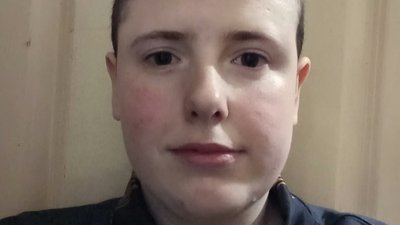
My name is Jay, and I am 26 years old. I have been in care since I was 11, following a childhood marked by 10 years of emotional abuse and neglect. Over the years, I have been moved between 30 and 40 times just trying to find stability. After spending six to seven years living in Gloucestershire, the local authority uprooted me at 17 and moved me back to Norfolk claiming I had "connections" in the area, even though those connections were the very people I was taken into care because of. Now, I live with 19 diagnosed medical conditions while navigating a system that offers zero help to build a safe support network. As a result, I face complete isolation. I get zero visitors, and the few supportive people I do have in my life live miles away. I know firsthand how lonely and dangerous this reality is for people left entirely on their own.
I am starting this petition based on my personal experience living in unregulated supported accommodation without a family or local support network. Having a proper safety net for people like me is essential. While ongoing campaigns like Chanté’s Law are fighting to bring Care Quality Commission (CQC) regulation to supported housing, there is still a major blind spot for residents who do not have family checking in on them. Without relatives to notice when something goes wrong or speak up on our behalf, isolated residents are left exposed to neglect, exploitation, and poor care across both regulated and unregulated housing.
Jay’s Law would close this gap by ensuring that anyone living in supported accommodation whether regulated or unregulated who has no family, friends, or local support network receives the protection, care, and opportunities they deserve.
Research from organisations like the Social Care Institute for Excellence shows that people in supported housing without family or community ties face much higher risks of housing instability and severe mental health struggles. Recognising these proven risks is the first step toward fixing a broken system.
We are calling on the Government to pass Jay’s Law to place clear, enforceable duties on local authorities and care providers for residents without a safe local support network. Specifically, Jay’s Law must deliver:
1. Safe Placements & Fair Transitions
• Ban isolated placements: Strictly prohibit local authorities and providers from placing or relocating residents with no safe local support network into isolated regulated or unregulated supported accommodation.
• Ban moves near known abusers: Explicitly prohibit local authorities from moving care leavers or adults in supported accommodation to areas where known abusive family members live, and ban councils from counting unsafe relatives as "local connections."
• Mandate funded, gradual transitions and reform Housing Benefit rules: Strictly prohibit sudden or last-minute relocations (which are deeply distressing and destabilising, particularly for autistic residents) without a funded, step-by-step transition plan. Amend Housing Benefit and Universal Credit rules to allow temporary dual-housing payments during planned transitions so residents can visit the area, adjust to new surroundings, transfer medical care properly, and build safe local contacts without facing rent arrears.
2. Ongoing Support, Inspections & Zero-Tolerance on Abuse
• Provide dedicated caseworkers and respectful welfare check-ins: Assign every isolated resident a dedicated caseworker, fund community integration and life-skills programmes, and require regular, consensual wellbeing checks that fully respect a resident's human rights, privacy, and dignity.
• Enforce thorough inspections and safe reporting: Require more frequent, rigorous inspections of living conditions and create clear, independent ways for residents to report concerns across both regulated and unregulated facilities.
• Strictly ban all staff from using ableism, bullying, and coercive control: Enforce a zero-tolerance ban on ableism, coercive control, intimidation, gaslighting, or bullying by supported accommodation staff and management, backed by mandatory anti-ableism training, independent whistleblowing channels, and immediate dismissal or regulatory sanctions.
3. Disability Accessibility, Medical Safety & Hygiene Standards
• Guarantee full physical and sensory accessibility: Strictly prohibit placing wheelchair users or residents with mobility needs into accommodation that is not fully wheelchair accessible beforehand (and require immediate adaptations for current residents), and mandate proper tactile flooring and navigational aids without delay or before arrival for any blind or visually impaired resident.
• Mandate BSL training and specialist neuromuscular adaptations: Require mandatory British Sign Language (BSL) training for all staff whenever a deaf resident currently lives in or is moving into a property, and ensure accommodation for current or incoming residents with neuromuscular diseases is fully adapted without delay including step-free access, ceiling hoists, backup power for medical and breathing equipment, and staff trained in fatigue management and emergency escalation.
• Enforce thorough professional cleaning before moving in: Make it a mandatory legal duty for providers and staff to properly deep clean and inspect every room and shared area before any new resident moves in, banning councils from moving people into dirty, unhygienic, or neglected rooms.
Passing Jay’s Law would build a fairer support system where no one is written off simply because they do not have family nearby. Everyone deserves safety, dignity, and proper care, regardless of their personal network.
Please stand with me and urge lawmakers to pass Jay’s Law so no one is left behind or isolated in supported accommodation.
Sign this petition and help bring about real change.
Language Disclaimer: This petition intentionally avoids using the term "vulnerable" throughout. Describing people in care or supported accommodation as "vulnerable" is disabling and demeaning, it frames individuals as inherently weak rather than highlighting the systemic failures that put them at risk. Any comments, posts, or materials associated with this petition that use this term will be asked to remove it or will be taken down.

64
The Issue
My name is Jay, and I am 26 years old. I have been in care since I was 11, following a childhood marked by 10 years of emotional abuse and neglect. Over the years, I have been moved between 30 and 40 times just trying to find stability. After spending six to seven years living in Gloucestershire, the local authority uprooted me at 17 and moved me back to Norfolk claiming I had "connections" in the area, even though those connections were the very people I was taken into care because of. Now, I live with 19 diagnosed medical conditions while navigating a system that offers zero help to build a safe support network. As a result, I face complete isolation. I get zero visitors, and the few supportive people I do have in my life live miles away. I know firsthand how lonely and dangerous this reality is for people left entirely on their own.
I am starting this petition based on my personal experience living in unregulated supported accommodation without a family or local support network. Having a proper safety net for people like me is essential. While ongoing campaigns like Chanté’s Law are fighting to bring Care Quality Commission (CQC) regulation to supported housing, there is still a major blind spot for residents who do not have family checking in on them. Without relatives to notice when something goes wrong or speak up on our behalf, isolated residents are left exposed to neglect, exploitation, and poor care across both regulated and unregulated housing.
Jay’s Law would close this gap by ensuring that anyone living in supported accommodation whether regulated or unregulated who has no family, friends, or local support network receives the protection, care, and opportunities they deserve.
Research from organisations like the Social Care Institute for Excellence shows that people in supported housing without family or community ties face much higher risks of housing instability and severe mental health struggles. Recognising these proven risks is the first step toward fixing a broken system.
We are calling on the Government to pass Jay’s Law to place clear, enforceable duties on local authorities and care providers for residents without a safe local support network. Specifically, Jay’s Law must deliver:
1. Safe Placements & Fair Transitions
• Ban isolated placements: Strictly prohibit local authorities and providers from placing or relocating residents with no safe local support network into isolated regulated or unregulated supported accommodation.
• Ban moves near known abusers: Explicitly prohibit local authorities from moving care leavers or adults in supported accommodation to areas where known abusive family members live, and ban councils from counting unsafe relatives as "local connections."
• Mandate funded, gradual transitions and reform Housing Benefit rules: Strictly prohibit sudden or last-minute relocations (which are deeply distressing and destabilising, particularly for autistic residents) without a funded, step-by-step transition plan. Amend Housing Benefit and Universal Credit rules to allow temporary dual-housing payments during planned transitions so residents can visit the area, adjust to new surroundings, transfer medical care properly, and build safe local contacts without facing rent arrears.
2. Ongoing Support, Inspections & Zero-Tolerance on Abuse
• Provide dedicated caseworkers and respectful welfare check-ins: Assign every isolated resident a dedicated caseworker, fund community integration and life-skills programmes, and require regular, consensual wellbeing checks that fully respect a resident's human rights, privacy, and dignity.
• Enforce thorough inspections and safe reporting: Require more frequent, rigorous inspections of living conditions and create clear, independent ways for residents to report concerns across both regulated and unregulated facilities.
• Strictly ban all staff from using ableism, bullying, and coercive control: Enforce a zero-tolerance ban on ableism, coercive control, intimidation, gaslighting, or bullying by supported accommodation staff and management, backed by mandatory anti-ableism training, independent whistleblowing channels, and immediate dismissal or regulatory sanctions.
3. Disability Accessibility, Medical Safety & Hygiene Standards
• Guarantee full physical and sensory accessibility: Strictly prohibit placing wheelchair users or residents with mobility needs into accommodation that is not fully wheelchair accessible beforehand (and require immediate adaptations for current residents), and mandate proper tactile flooring and navigational aids without delay or before arrival for any blind or visually impaired resident.
• Mandate BSL training and specialist neuromuscular adaptations: Require mandatory British Sign Language (BSL) training for all staff whenever a deaf resident currently lives in or is moving into a property, and ensure accommodation for current or incoming residents with neuromuscular diseases is fully adapted without delay including step-free access, ceiling hoists, backup power for medical and breathing equipment, and staff trained in fatigue management and emergency escalation.
• Enforce thorough professional cleaning before moving in: Make it a mandatory legal duty for providers and staff to properly deep clean and inspect every room and shared area before any new resident moves in, banning councils from moving people into dirty, unhygienic, or neglected rooms.
Passing Jay’s Law would build a fairer support system where no one is written off simply because they do not have family nearby. Everyone deserves safety, dignity, and proper care, regardless of their personal network.
Please stand with me and urge lawmakers to pass Jay’s Law so no one is left behind or isolated in supported accommodation.
Sign this petition and help bring about real change.
Language Disclaimer: This petition intentionally avoids using the term "vulnerable" throughout. Describing people in care or supported accommodation as "vulnerable" is disabling and demeaning, it frames individuals as inherently weak rather than highlighting the systemic failures that put them at risk. Any comments, posts, or materials associated with this petition that use this term will be asked to remove it or will be taken down.
The Decision Makers

Petition Updates
Share this petition
Petition created on 11 November 2026