
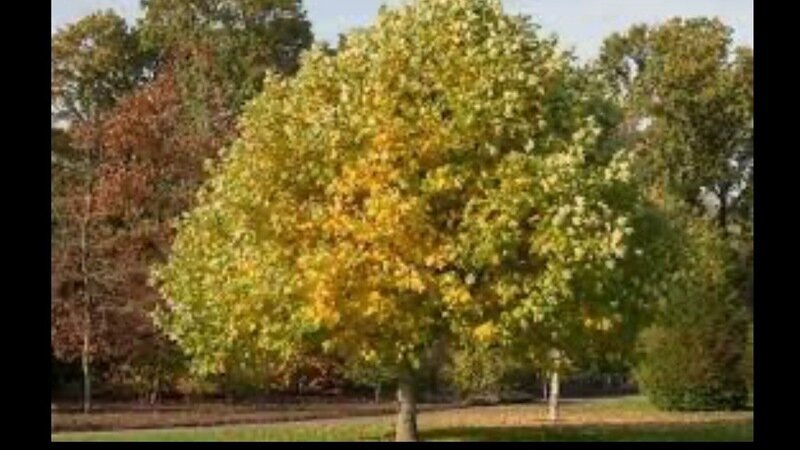
North Sydney Council cannot possibly have a real Arborist. He/she has the dendrology understanding of a 2 year old child I have pointed out more errors they plan to plant tulip trees on Young St 🤬 and have planted some already on Military Rd 🤬. Does their insurer know? Are they intentionally trying to damage properties out of spite due to the rate rise being thrown out?
Dendrology prohibits Tulip trees being less than 30 metres from buildings for one, they are a park tree and this maniac has planted them on Military Rd and plans to plant them at an external community seating area on Young St?!!🤬
See below this is insanity.
Dendrology has the Tulip tree strictly as a high acreage tree so most certainly not appropriate for Young Street! Please read the science!
In dendrology, the tulip tree (Liriodendron tulipifera) is categorized as a majestic but high-maintenance species that is unsuitable for several specific environments due to its massive size, weak wood, and biological sensitivities.
Avoid planting tulip trees in the following locations:
1. Near Structures or Power Lines
Property Damage Risk: Because they can reach heights of 70 to 150+ feet, they should be planted at least 100 feet away from houses or buildings.
Weak Wood: They are "weak-wooded" and fast-growing, making them highly susceptible to limb breakage during ice storms, snow, or high winds.
Aggressive Roots: Their deep and strong root systems can damage concrete foundations, sidewalks, and underground utilities.
2. Small Yards and Confined Urban Spaces
Space Requirements: They are unsuitable for the "average" small yard; they are strictly large-acreage, campus, or park trees.
Poor Street Trees: They do not tolerate confined planters or narrow strips of soil.
Shade Intolerance: They are highly shade-intolerant and will fail to thrive if planted under the canopy of larger, established trees.
3. Near Driveways and Parking Areas
Aphid "Honeydew": Tulip trees are frequently infested with specialized aphids (Illinoia liriodendra) that excrete a sticky substance called honeydew. This substance coats everything below—including cars—and often leads to the growth of black "sooty mold".
Debris: They are deciduous and "messy," dropping large leaves and cone-like seed pods (samaras) that can clog gutters and create yard waste.
4. Poor Environmental Conditions
Salt Exposure: They have zero tolerance for salt. Avoid planting them along coastal areas or near roads and driveways that are salted during winter.
Drought-Prone Areas: These trees require deep, moist, well-drained soil. In dry conditions or warming climates, they suffer from premature leaf drop and yellowing.
High Pollution: They fare poorly in heavily polluted urban centers compared to hardier urban species.