Massachusetts Disability Law Center Finds Horrendous Conditions Inside Bridgewater State Hospital

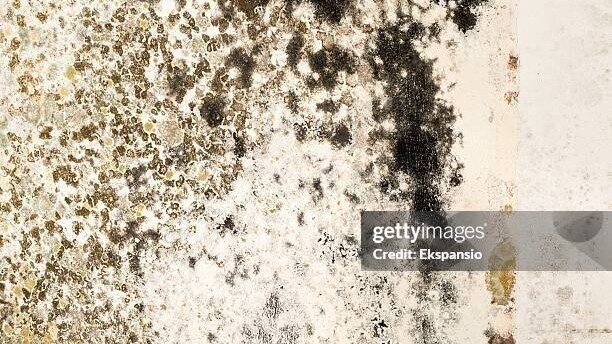
Toxic Mold Found throughout Bridewater State Hospital
Dangerous mold leading to illness
Disability Law Center has publicly warned of dangerous mold at Bridgewater State Hospital — especially in its HVAC system — since 2018, and little has improved since then, according to the report. The nonprofit accused the hospital of ignoring its recommendations on how to address the mold problem and hiring an “unqualified company” to take care of it instead.
“HVAC systems observed during the inspection continued to be in deplorable condition, some with air handlers in wet and flooded basements with rampant mold growth and asbestos,” Disability Law Center wrote. “ ... Even sections of HVAC systems that had been professionally cleaned were confirmed to be filthy and riddled with active mold growth after the cleaning.”
The type of mold found in Bridgewater State Hospital is known to cause health problems such as colds, chronic sinus infections and persistent coughing, which some patients — especially those with asthma — have experienced, according to Disability Law Center. The non-profit asserts that the hospital’s mold problem is so bad that the building should not be occupied until mold prevalence inside returns to safe levels.
Boston, MA – The Disability Law Center (DLC), Massachusetts’ Protection and Advocacy agency for people with disabilities, today released a public report detailing its findings from monitoring activities Bridgewater State Hospital (BSH) during the latter half of 2024. Informed by over a decade of onsite presence and intensive advocacy, DLC repeats its urgent call for the Commonwealth to transfer oversight of the BSH population to the Department of Mental Health (DMH) and to construct a new psychiatric hospital.
The report highlights the troubling disparity between the care, treatment, and conditions the state provides to the people involuntarily committed to BSH for mental health evaluation and treatment and acceptable standards for those committed to DMH hospitals. Among the topics covered, DLC examines BSH’s continuing unlawful restraint, seclusion, and involuntary medication practices, along with the correctional use of force protocols that BSH regularly employs to administer medication restraint and other forms of involuntary medication. The report details expert findings confirming, once again, widespread presence of mold growth and environmental contamination in BSH that threatens the health of everyone who lives and works in the facility. DLC also discusses several physical features of the state prison facility that are incompatible with the provision of psychiatric hospital level of care and issues related to continuity of care for people discharged from BSH.
“DLC again urges the Commonwealth to transfer oversight of Bridgewater State Hospital to the Department of Mental Health and commit to closing the facility. These overdue measures are essential to address the continuing rights violations and serious health and safety risks to the individuals with disabilities who are involuntarily committed for psychiatric care and treatment to the aging state prison facility,” said Barbara L’Italien, Executive Director of DLC.
As the designated Protection and Advocacy agency for Massachusetts, DLC is authorized under federal law to investigate incidents of abuse, neglect, and death of individuals with disabilities throughout the Commonwealth. Line Item #8900-0001 of the FY 2025 Budget provides DLC funding and enhanced legislative authority to monitor the efficacy of service delivery reforms, physical plant, and continuity of care at BSH.