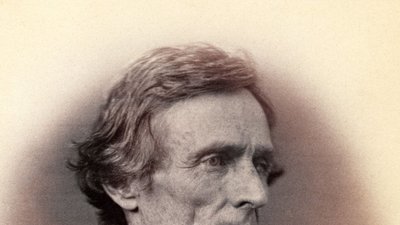
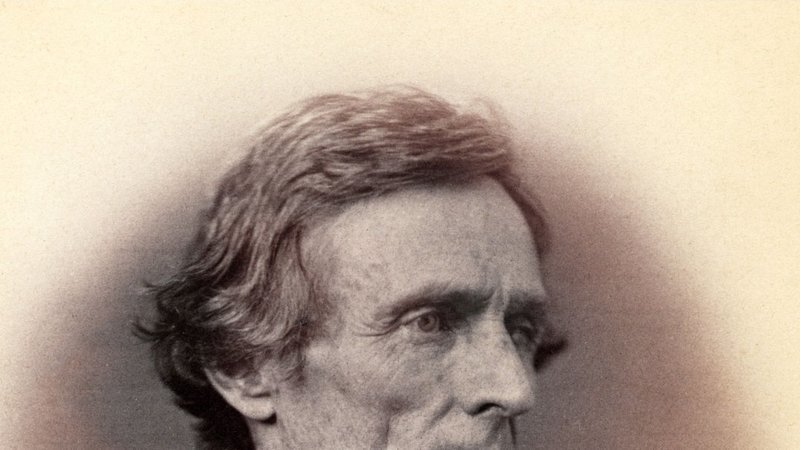
Preserve the historical name of Jefferson Davis Parish in SouthWest Louisiana.
The Issue
WE MUST PRESERVE THE HISTORY OF OUR STATE AND COUNTRY. OUR HISTORY MIGHT NOT BE POPULAR OR NICE BUT FORGETTING THE PAST WILL ONLY LEAD TO IT BEING REPEATED. WE MUST NEVER FORGET WHERE WE HAVE BEEN, SO WE CAN ALWAYS REMEMBER WHERE WE WANT TO GO. YES SLAVERY WAS WRONG AND IS A VERY DARK AND DISTURBING TRUTH OF OUR PAST, BUT ERASING THAT HISTORY WILL NEVER CHANGE IT.
Jefferson Davis Parish was one of the last parishes to be organized in the state of Louisiana. It was originally a part of Imperial Calcasieu Parish, which contributed to five other parishes as the population increased in the area. The bill creating Jefferson Davis Parish was passed by the state legislature in 1912 but did not take effect until 1913. Jefferson Davis Parish is part of the large, 22-county Acadiana region of Louisiana, which is influenced by a large Francophone population. It was named after Jefferson Davis, a prominent planter and the President of the Confederate States of America.
In 1846 the Mexican–American War began. Davis raised a volunteer regiment, the Mississippi Rifles, becoming its colonel under the command of his former father-in-law, General Zachary Taylor. On July 21 the regiment sailed from New Orleans for Texas. Colonel Davis sought to arm his regiment with the M1841 Mississippi rifle. At this time, smoothbore muskets were still the primary infantry weapon, and any unit with rifles was considered special and designated as such. President James K. Polk had promised Davis the weapons if he would remain in Congress long enough for an important vote on the Walker tariff. General Winfield Scott objected on the basis that the weapons were insufficiently tested. Davis insisted and called in his promise from Polk, and his regiment was armed with the rifles, making it particularly effective in combat. The regiment became known as the Mississippi Rifles because it was the first to be fully armed with these new weapons. The incident was the start of a lifelong feud between Davis and Scott.
In September 1846, Davis participated in the Battle of Monterrey, during which he led a successful charge on the La Teneria fort. On October 28, Davis resigned his seat in the House of Representatives. On February 22, 1847, Davis fought bravely at the Battle of Buena Vista and was shot in the foot, being carried to safety by Robert H. Chilton. In recognition of Davis's bravery and initiative, Taylor is reputed to have said, "My daughter, sir, was a better judge of men than I was."On May 17, President Polk offered Davis a federal commission as a brigadier general and command of a brigade of militia. Davis declined the appointment, arguing that the Constitution gives the power of appointing militia officers to the states, not the federal government.
Anticipating a call for his services since Mississippi had seceded, Davis had sent a telegraph message to Governor John J. Pettus saying, "Judge what Mississippi requires of me and place me accordingly." On January 23, 1861, Pettus made Davis a major general of the Army of Mississippi. On February 9, a constitutional convention met at Montgomery, Alabama, and considered Davis and Robert Toombs of Georgia as a possible president. Davis, who had widespread support from six of the seven states, easily won. He was seen as the "champion of a slave society and embodied the values of the planter class", and was elected provisional Confederate President by acclamation. He was inaugurated on February 18, 1861. Alexander H. Stephens was chosen as Vice President, but he and Davis feuded constantly.
Davis was the first choice because of his strong political and military credentials. He wanted to serve as commander-in-chief of the Confederate armies but said he would serve wherever directed. His wife Varina Davis later wrote that when he received word that he had been chosen as president, "Reading that telegram he looked so grieved that I feared some evil had befallen our family."
Several forts in Confederate territory remained in Union hands. Davis sent a commission to Washington with an offer to pay for any federal property on Southern soil, as well as the Southern portion of the national debt, but Lincoln refused to meet with the commissioners. Brief informal discussions did take place with Secretary of State William Seward through Supreme Court Justice John A. Campbell, the latter of whom later resigned from the federal government, as he was from Alabama. Seward hinted that Fort Sumter would be evacuated, but gave no assurance.
On March 1, 1861, Davis appointed General P. G. T. Beauregard to command all Confederate troops in the vicinity of Charleston, South Carolina, where state officials prepared to take possession of Fort Sumter. Beauregard was to prepare his forces but await orders to attack the fort. Within the fort the issue was not of the niceties of geopolitical posturing but of survival. They would be out of food on the 15th. The small Union garrison had but half a dozen officers and 127 soldiers under Major Robert Anderson. Famously, this included the baseball folk hero Captain (later major general) Abner Doubleday. More improbable yet was a Union officer who had the name of Jefferson C. Davis. He would spend the war being taunted for his name but not his loyalty to the Northern cause. The newly installed President Lincoln, not wishing to initiate hostilities, informed South Carolina Governor Pickens that he was dispatching a small fleet of ships from the navy yard in New York to resupply but not re-enforce Fort Pickens in Florida and Fort Sumter. The U.S. President did not inform CSA President Davis of this intended resupply of food and fuel. For Lincoln, Davis, as the leader of an insurrection, was without legal standing in U.S. affairs. To deal with him would be to give legitimacy to the rebellion. The fact that Sumter was the property of the sovereign United States was the reason for maintaining the garrison on the island fort. He informed Pickens that the resupply mission would not land troops or munitions unless they were fired upon. As it turned out, just as the supply ships approached Charleston harbor, the bombardment would begin and the flotilla watched the spectacle from 10 miles (16 km) at sea.
Davis faced the most important decision of his career: to prevent reinforcement at Fort Sumter or to let it take place. He and his cabinet decided to demand that the Federal garrison surrender and, if this was refused, to use military force to prevent reinforcement before the fleet arrived. Anderson did not surrender. With Davis's endorsement, Beauregard began the bombarding of the fort in the early dawn of April 12. The Confederates continued their artillery attack on Fort Sumter until it surrendered on April 14. No one was killed in the artillery duel, but the attack on the U.S. fort meant the fighting had started. President Lincoln called up 75,000 state militiamen to march south to recapture Federal property. In the North and South, massive rallies were held to demand immediate war. The Civil War had begun.
Remember the past so we can learn from the struggles and accomplishments of our ancestors. This way we can set better goals for our future.
Petition Closed
The Issue
WE MUST PRESERVE THE HISTORY OF OUR STATE AND COUNTRY. OUR HISTORY MIGHT NOT BE POPULAR OR NICE BUT FORGETTING THE PAST WILL ONLY LEAD TO IT BEING REPEATED. WE MUST NEVER FORGET WHERE WE HAVE BEEN, SO WE CAN ALWAYS REMEMBER WHERE WE WANT TO GO. YES SLAVERY WAS WRONG AND IS A VERY DARK AND DISTURBING TRUTH OF OUR PAST, BUT ERASING THAT HISTORY WILL NEVER CHANGE IT.
Jefferson Davis Parish was one of the last parishes to be organized in the state of Louisiana. It was originally a part of Imperial Calcasieu Parish, which contributed to five other parishes as the population increased in the area. The bill creating Jefferson Davis Parish was passed by the state legislature in 1912 but did not take effect until 1913. Jefferson Davis Parish is part of the large, 22-county Acadiana region of Louisiana, which is influenced by a large Francophone population. It was named after Jefferson Davis, a prominent planter and the President of the Confederate States of America.
In 1846 the Mexican–American War began. Davis raised a volunteer regiment, the Mississippi Rifles, becoming its colonel under the command of his former father-in-law, General Zachary Taylor. On July 21 the regiment sailed from New Orleans for Texas. Colonel Davis sought to arm his regiment with the M1841 Mississippi rifle. At this time, smoothbore muskets were still the primary infantry weapon, and any unit with rifles was considered special and designated as such. President James K. Polk had promised Davis the weapons if he would remain in Congress long enough for an important vote on the Walker tariff. General Winfield Scott objected on the basis that the weapons were insufficiently tested. Davis insisted and called in his promise from Polk, and his regiment was armed with the rifles, making it particularly effective in combat. The regiment became known as the Mississippi Rifles because it was the first to be fully armed with these new weapons. The incident was the start of a lifelong feud between Davis and Scott.
In September 1846, Davis participated in the Battle of Monterrey, during which he led a successful charge on the La Teneria fort. On October 28, Davis resigned his seat in the House of Representatives. On February 22, 1847, Davis fought bravely at the Battle of Buena Vista and was shot in the foot, being carried to safety by Robert H. Chilton. In recognition of Davis's bravery and initiative, Taylor is reputed to have said, "My daughter, sir, was a better judge of men than I was."On May 17, President Polk offered Davis a federal commission as a brigadier general and command of a brigade of militia. Davis declined the appointment, arguing that the Constitution gives the power of appointing militia officers to the states, not the federal government.
Anticipating a call for his services since Mississippi had seceded, Davis had sent a telegraph message to Governor John J. Pettus saying, "Judge what Mississippi requires of me and place me accordingly." On January 23, 1861, Pettus made Davis a major general of the Army of Mississippi. On February 9, a constitutional convention met at Montgomery, Alabama, and considered Davis and Robert Toombs of Georgia as a possible president. Davis, who had widespread support from six of the seven states, easily won. He was seen as the "champion of a slave society and embodied the values of the planter class", and was elected provisional Confederate President by acclamation. He was inaugurated on February 18, 1861. Alexander H. Stephens was chosen as Vice President, but he and Davis feuded constantly.
Davis was the first choice because of his strong political and military credentials. He wanted to serve as commander-in-chief of the Confederate armies but said he would serve wherever directed. His wife Varina Davis later wrote that when he received word that he had been chosen as president, "Reading that telegram he looked so grieved that I feared some evil had befallen our family."
Several forts in Confederate territory remained in Union hands. Davis sent a commission to Washington with an offer to pay for any federal property on Southern soil, as well as the Southern portion of the national debt, but Lincoln refused to meet with the commissioners. Brief informal discussions did take place with Secretary of State William Seward through Supreme Court Justice John A. Campbell, the latter of whom later resigned from the federal government, as he was from Alabama. Seward hinted that Fort Sumter would be evacuated, but gave no assurance.
On March 1, 1861, Davis appointed General P. G. T. Beauregard to command all Confederate troops in the vicinity of Charleston, South Carolina, where state officials prepared to take possession of Fort Sumter. Beauregard was to prepare his forces but await orders to attack the fort. Within the fort the issue was not of the niceties of geopolitical posturing but of survival. They would be out of food on the 15th. The small Union garrison had but half a dozen officers and 127 soldiers under Major Robert Anderson. Famously, this included the baseball folk hero Captain (later major general) Abner Doubleday. More improbable yet was a Union officer who had the name of Jefferson C. Davis. He would spend the war being taunted for his name but not his loyalty to the Northern cause. The newly installed President Lincoln, not wishing to initiate hostilities, informed South Carolina Governor Pickens that he was dispatching a small fleet of ships from the navy yard in New York to resupply but not re-enforce Fort Pickens in Florida and Fort Sumter. The U.S. President did not inform CSA President Davis of this intended resupply of food and fuel. For Lincoln, Davis, as the leader of an insurrection, was without legal standing in U.S. affairs. To deal with him would be to give legitimacy to the rebellion. The fact that Sumter was the property of the sovereign United States was the reason for maintaining the garrison on the island fort. He informed Pickens that the resupply mission would not land troops or munitions unless they were fired upon. As it turned out, just as the supply ships approached Charleston harbor, the bombardment would begin and the flotilla watched the spectacle from 10 miles (16 km) at sea.
Davis faced the most important decision of his career: to prevent reinforcement at Fort Sumter or to let it take place. He and his cabinet decided to demand that the Federal garrison surrender and, if this was refused, to use military force to prevent reinforcement before the fleet arrived. Anderson did not surrender. With Davis's endorsement, Beauregard began the bombarding of the fort in the early dawn of April 12. The Confederates continued their artillery attack on Fort Sumter until it surrendered on April 14. No one was killed in the artillery duel, but the attack on the U.S. fort meant the fighting had started. President Lincoln called up 75,000 state militiamen to march south to recapture Federal property. In the North and South, massive rallies were held to demand immediate war. The Civil War had begun.
Remember the past so we can learn from the struggles and accomplishments of our ancestors. This way we can set better goals for our future.
The Decision Makers
Petition Updates
Share this petition
Petition created on June 17, 2020