Implement Indore City's Swachh Model in Dehradun - Sewage management,Waste Segregation etc
The Issue
Respected Sir, Dehradun Urgently requires the Indore Swachh model to be implemented.
Our Requirements -
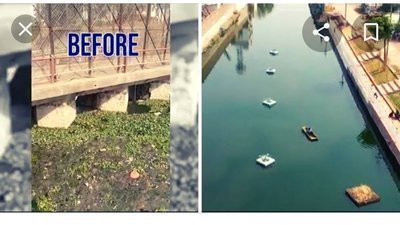
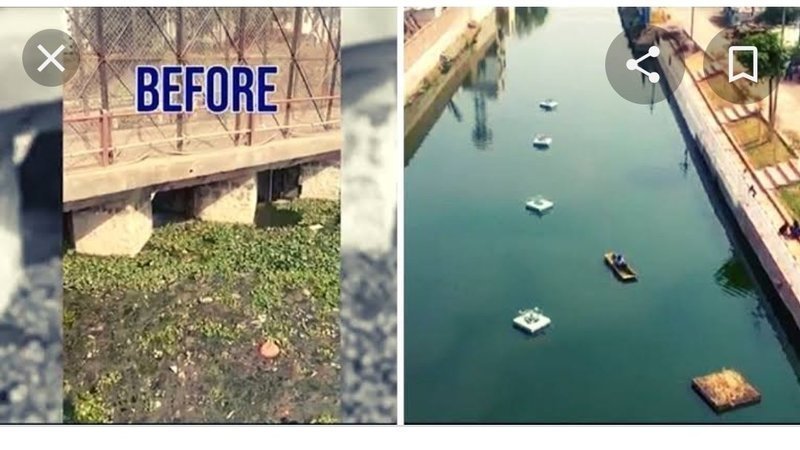
1)Functional Sewage Drainage System.Due to the efforts of Indore Municipal Commissioner, Asheesh Singh and his team, a two-kilometre stretch of Sarswati river flowing through Indore has been made 100 per cent sewage free by treating inflow from 28 sewage lines through a fully functional Sewage Treatment Plant (STP)!
What makes this river cleanup model unique is its capacity to recycle eight MLD (millions of litre per day) of sewage into clean water. Apart from environmental and health benefits, this project is also helping conserve water. The recycled water is used to fill up other dry water bodies and water 250 gardens. However, Saraswati River was polluted due to damage or lack of sewage lines. So, mapping the sewage outfalls was the first step IMC took. Once, the spots were identified, they were geotagged to lay new pipelines and connect it to STP.
2)Door to door Waste Segregation Collection -
Since 2016, Indore’s municipal corporation (IMC) has eliminated garbage dumps, ensured 100% household-waste segregation and converted waste to usable products, such as compost and fuel. It partnered with non governmental organisations for an awareness campaign to change the behaviour of its citizens, contracted private companies to run some waste management operations, used technology, and improved municipal capacity to ensure the implementation of its waste management plan.Door to Door Collection of Segregated waste like Dry, Wet and Hazardous.
Indore has 10 transfer stations, where the garbage is weighed, segregation is ensured, and then sent onward for processing at the central facility.At the facility, 645 tonnes of recyclable waste is daily sifted through and separated by 300-odd workers.As much as 550 tonnes of organic waste is produced daily. It is converted to compost which is sold to farmers and landscapers as manure. Sometimes it is given free of charge as farmers agree to transport the compost at their own cost.
Non-recyclable waste is sent to a cement plant at Neemuch and to the M.P. Rural Road Development Corporation to be used in the construction of roads
3)Road cleaning
Every night, 800 km of main roads are swept by machines, footpaths and road dividers are washed by a water mist. This uses 400 litres of water every night, most of it recycled water from the three sewage treatment plants s
4)River Revival (Rispana, Bindal, Suswa) by STP and installing cameras so no one dumps garbage on them
4)Protection of our City Trees and Forests
5) Heavy Penalty on people who litter, spit or urinate on streets and Rivers.
Early arrival of summers and lack of Rainfall will give a stress on our water consumption. It is our survival need to Revive our perennial Rivers.
Aanchal Sharma
The Earth and Climate Initiative.

Petition Closed
The Issue
Respected Sir, Dehradun Urgently requires the Indore Swachh model to be implemented.
Our Requirements -
1)Functional Sewage Drainage System.Due to the efforts of Indore Municipal Commissioner, Asheesh Singh and his team, a two-kilometre stretch of Sarswati river flowing through Indore has been made 100 per cent sewage free by treating inflow from 28 sewage lines through a fully functional Sewage Treatment Plant (STP)!
What makes this river cleanup model unique is its capacity to recycle eight MLD (millions of litre per day) of sewage into clean water. Apart from environmental and health benefits, this project is also helping conserve water. The recycled water is used to fill up other dry water bodies and water 250 gardens. However, Saraswati River was polluted due to damage or lack of sewage lines. So, mapping the sewage outfalls was the first step IMC took. Once, the spots were identified, they were geotagged to lay new pipelines and connect it to STP.
2)Door to door Waste Segregation Collection -
Since 2016, Indore’s municipal corporation (IMC) has eliminated garbage dumps, ensured 100% household-waste segregation and converted waste to usable products, such as compost and fuel. It partnered with non governmental organisations for an awareness campaign to change the behaviour of its citizens, contracted private companies to run some waste management operations, used technology, and improved municipal capacity to ensure the implementation of its waste management plan.Door to Door Collection of Segregated waste like Dry, Wet and Hazardous.
Indore has 10 transfer stations, where the garbage is weighed, segregation is ensured, and then sent onward for processing at the central facility.At the facility, 645 tonnes of recyclable waste is daily sifted through and separated by 300-odd workers.As much as 550 tonnes of organic waste is produced daily. It is converted to compost which is sold to farmers and landscapers as manure. Sometimes it is given free of charge as farmers agree to transport the compost at their own cost.
Non-recyclable waste is sent to a cement plant at Neemuch and to the M.P. Rural Road Development Corporation to be used in the construction of roads
3)Road cleaning
Every night, 800 km of main roads are swept by machines, footpaths and road dividers are washed by a water mist. This uses 400 litres of water every night, most of it recycled water from the three sewage treatment plants s
4)River Revival (Rispana, Bindal, Suswa) by STP and installing cameras so no one dumps garbage on them
4)Protection of our City Trees and Forests
5) Heavy Penalty on people who litter, spit or urinate on streets and Rivers.
Early arrival of summers and lack of Rainfall will give a stress on our water consumption. It is our survival need to Revive our perennial Rivers.
Aanchal Sharma
The Earth and Climate Initiative.
The Decision Makers
Petition Updates
Share this petition
Petition created on 31 March 2021